

Security Camera for Renters: What Your Lease Actually Allows
As a renter, protecting your home and belongings is just as important as it is for homeowners. In an age where smart home technology is readily available, a security camera can offer immense peace of mind. But before you rush out to buy the latest gadget, a crucial question arises: what do security camera lease rules actually allow?
Navigating the terms of your rental agreement regarding security cameras can be a maze of legalese. Many renters fear violating their lease, facing fines, or even eviction for simply trying to enhance their personal safety. This comprehensive guide will demystify what leases say about cameras, empowering you to make informed decisions about your home security. We’ll delve into common lease clauses, renter’s rights, and practical solutions like no-drill cameras, ensuring you can secure your space without stepping afoul of your landlord.
Understanding Your Lease Agreement: The First Step
Your lease is the binding contract between you and your landlord, and it’s the ultimate authority on what you can and cannot do in your rented property. When it comes to security cameras, look for specific clauses related to modifications, installations, privacy, and exterior alterations.
Common Lease Clauses to Scrutinize
- “No Alterations” or “No Modifications” Clause: This is perhaps the most common hurdle. If installing a security camera requires drilling holes, running wires through walls, or making any permanent changes to the property, it likely falls under this clause. Most leases strictly prohibit such alterations without written landlord consent.
- “Fixtures” Clause: This clause usually defines what constitutes a permanent attachment to the property. If your camera system is considered a fixture (e.g., hardwired, permanently mounted), it might be prohibited or require removal and repair upon moving out.
- “Privacy” or “Nuisance” Clause: While less common for indoor cameras, this could apply to cameras that record common areas, neighbors’ property, or public spaces. Your camera should not infringe on anyone else’s reasonable expectation of privacy.
- “Exterior Appearance” Clause: If you’re considering an outdoor camera, this clause might dictate what can be affixed to the exterior of the building, including balconies, patios, or window frames.
- “Common Areas” Clause: For apartment buildings, this specifies rules for shared spaces like hallways, lobbies, courtyards, and parking lots. Generally, tenants are not permitted to install cameras in these areas without explicit landlord permission and sometimes even the consent of other tenants.
What if Your Lease is Silent on Cameras?
A silent lease doesn’t automatically mean permission. When leases don’t explicitly address security cameras, it’s always best to err on the side of caution. Interpreting “no alterations” broadly is a safe bet. If there’s no mention, consider the impact: does the camera require drilling? Is it visible externally? Does it record areas beyond your rented space? These factors will influence whether it’s permissible.
Renter’s Rights and Landlord Considerations
While landlords have the right to protect their property, renters also have rights. Understanding them can help you advocate for your security needs.
Your Right to Personal Safety and Security
Renters have a fundamental right to a safe and secure living environment. If your landlord is not providing adequate security (e.g., broken locks, poor lighting), you might have grounds to install a camera, especially if it doesn’t violate other lease terms. However, this is a delicate balance and usually requires communication.
The Importance of Communication
The golden rule for any ambiguity in your lease is to communicate with your landlord in writing. Before installing any camera, especially one that might be externally visible or require any kind of attachment, send a written request. Be prepared to explain:
- The type of camera you intend to install (e.g., non-invasive, window-mounted, indoor-only).
- Why you feel it’s necessary (e.g., recent break-ins in the area, personal safety concerns).
- How it won’t damage the property or infringe on others’ privacy.
A landlord who understands your concerns and sees that you’ve done your homework is more likely to be accommodating. Get any approval in writing to protect yourself.
Tenant vs. Landlord Interpretations
The table below illustrates common scenarios and how security camera lease rules might be interpreted from both a tenant’s and a landlord’s perspective:
| Scenario | Tenant’s Perspective | Landlord’s Perspective | Likely Lease Interpretation |
|---|---|---|---|
| Indoor Camera (e.g., nanny cam) | My private space, no lease violation. | No property damage, low risk. | Generally permitted if no property damage. |
| Window-mounted Camera (facing out) | No drilling, enhances security, reversible. | Visible from exterior, potential privacy concerns if recordings outside property. | Often permitted if truly no property alteration AND careful about what’s recorded. |
| Doorbell Camera (requiring drilling) | Enhances main entry security. | Permanent alteration to exterior, potential liability/privacy. | Likely requires explicit written landlord permission. |
| Drilled-in Outdoor Camera | Critical for external protection. | Significant property damage, impacts aesthetics, liability for recordings. | Almost certainly prohibited without explicit written permission. |
The key takeaway is that cameras which are entirely self-contained and record only within your private rented space are usually the safest bet. Once you start recording outside your windows or making physical changes, the complexity increases.
Privacy Concerns and Legal Considerations
Beyond your lease, be mindful of privacy laws. While you have a right to record inside your own dwelling, these rights don’t extend to other people’s private property or public spaces where there’s an expectation of privacy.
Do Not:
- Point cameras into neighbors’ windows or private yards.
- Record common areas (hallways, lobbies) unless explicitly permitted and with proper notice.
- Install cameras that record public sidewalks or streets excessively, especially if audio is also recorded (state laws vary on one-party vs. two-party consent for audio).
Focus your cameras on your own entryways, windows, and interior spaces. This minimizes legal and ethical headaches.
Product Spotlight: ShowMo WinEye – Your Renter-Friendly Security Solution
Given the complexities of security camera lease rules, renters need solutions that prioritize ease of installation, non-invasiveness, and high performance. This is where the ShowMo WinEye → truly shines.
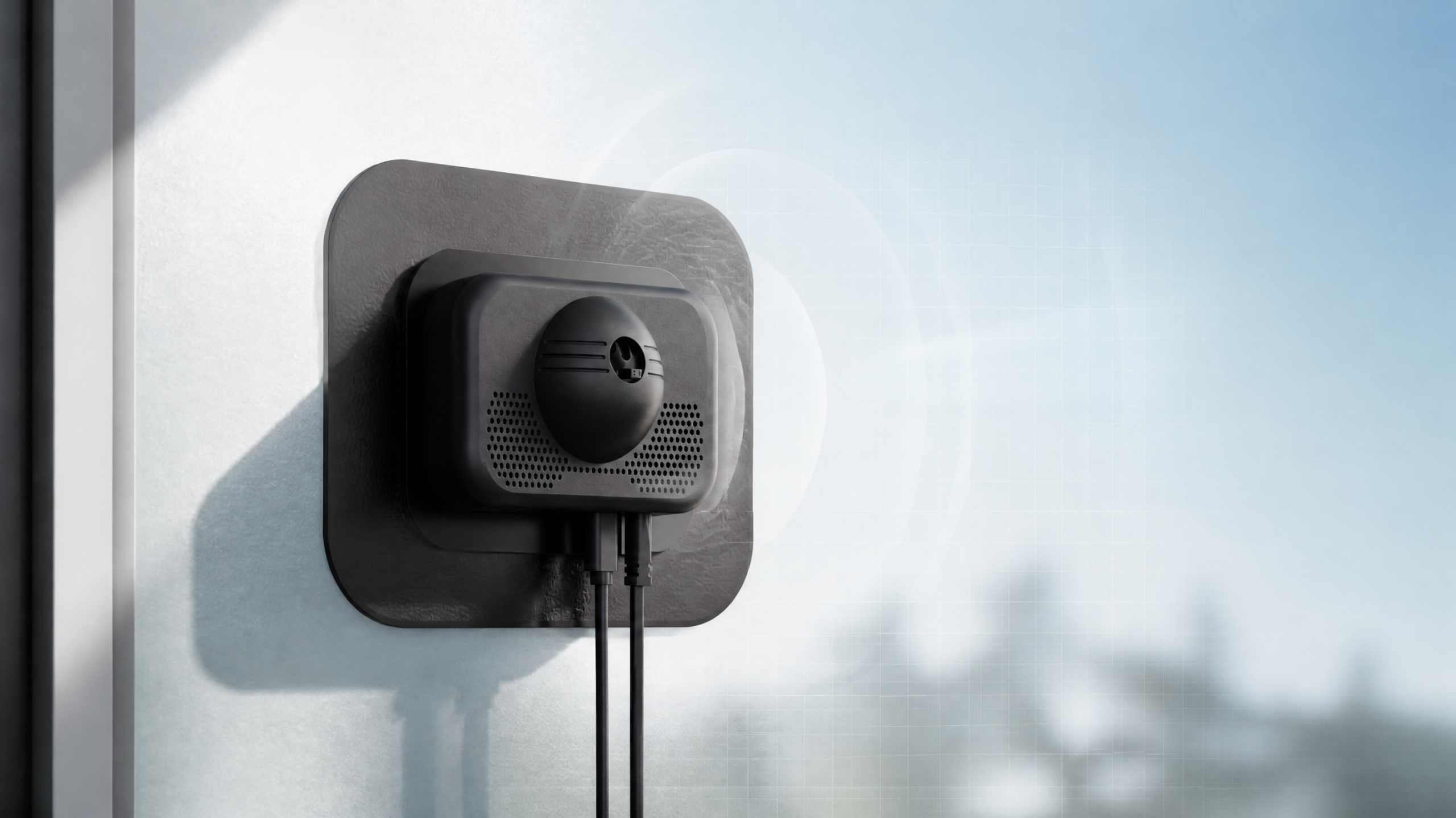
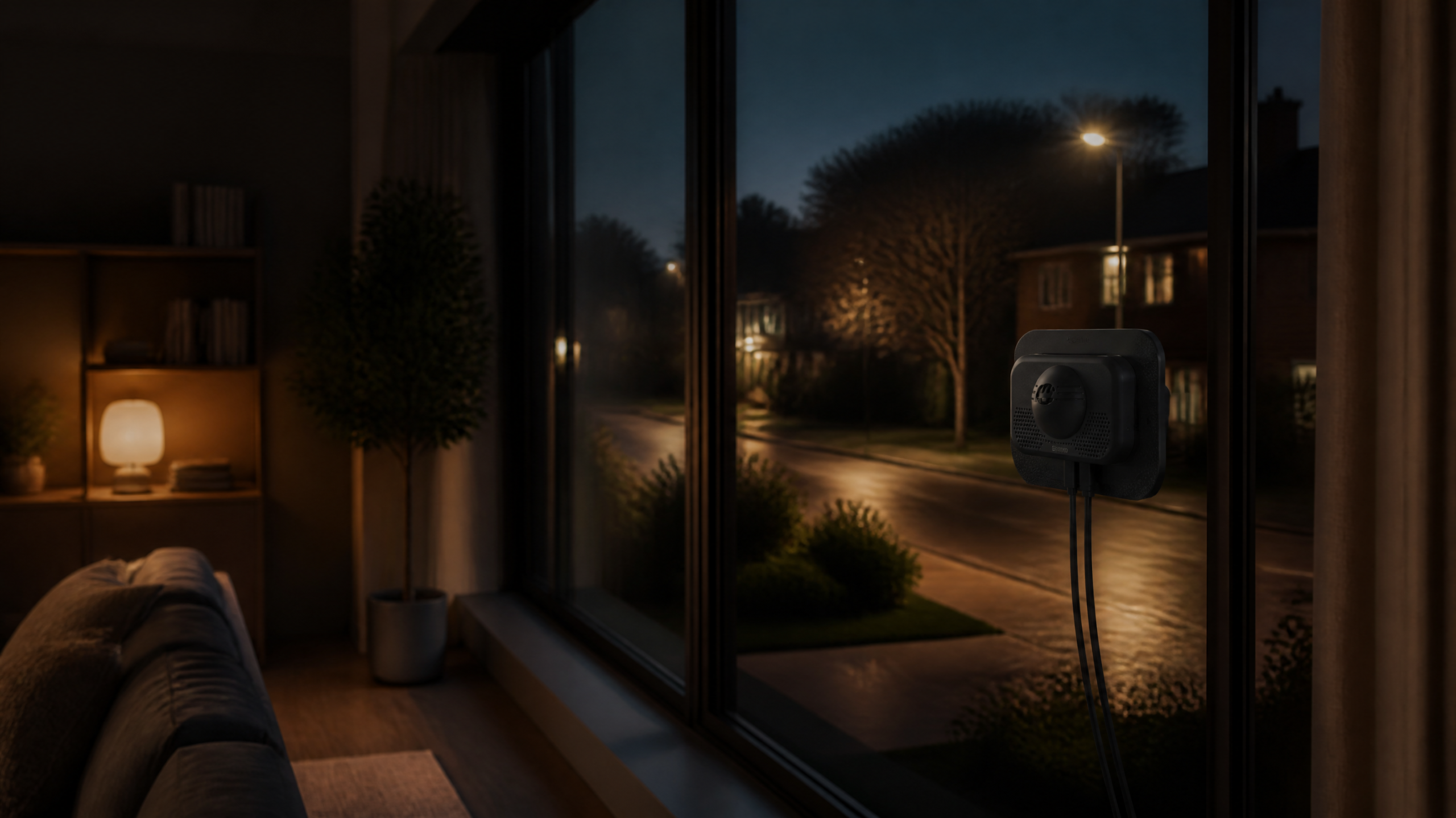
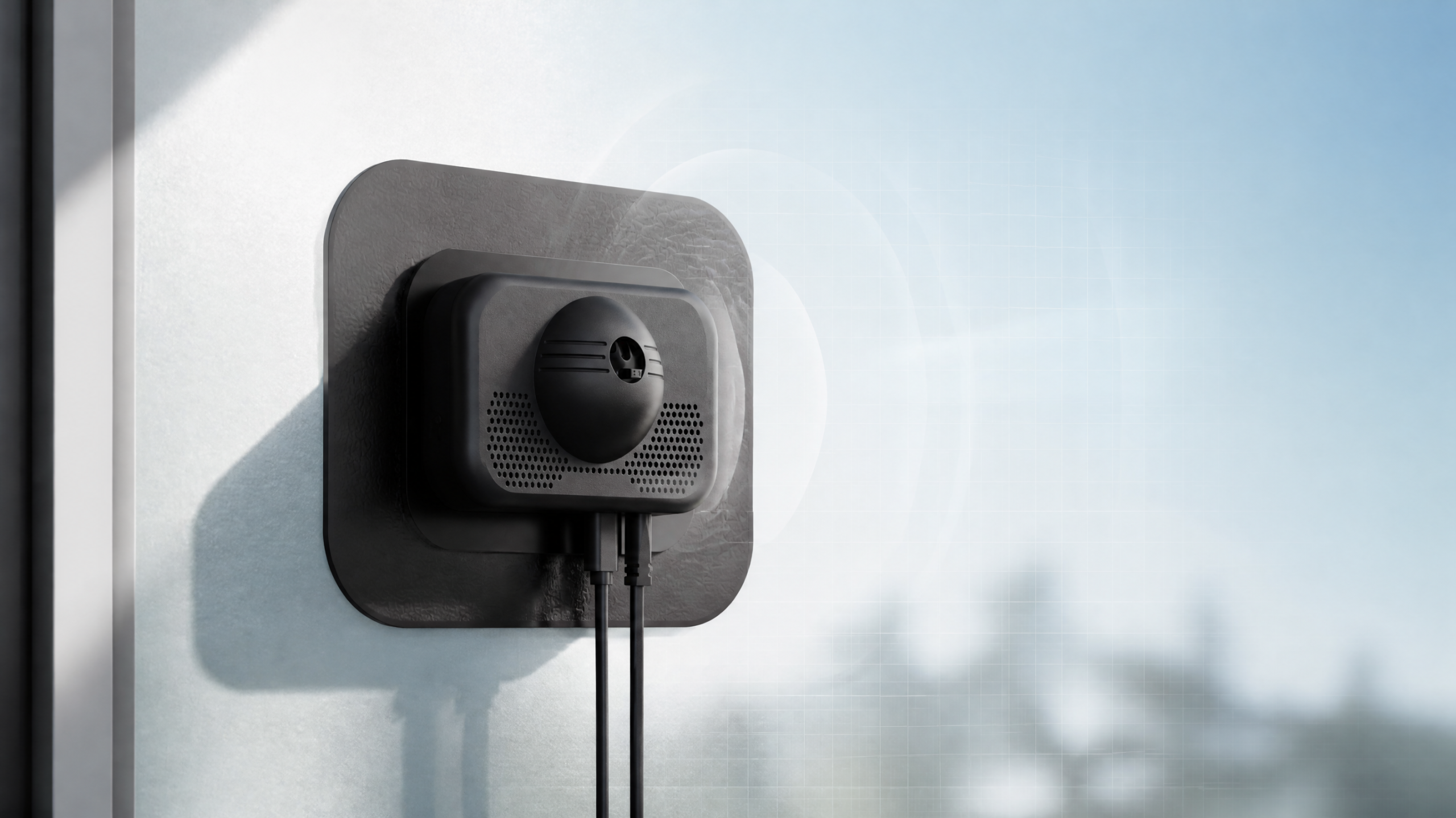
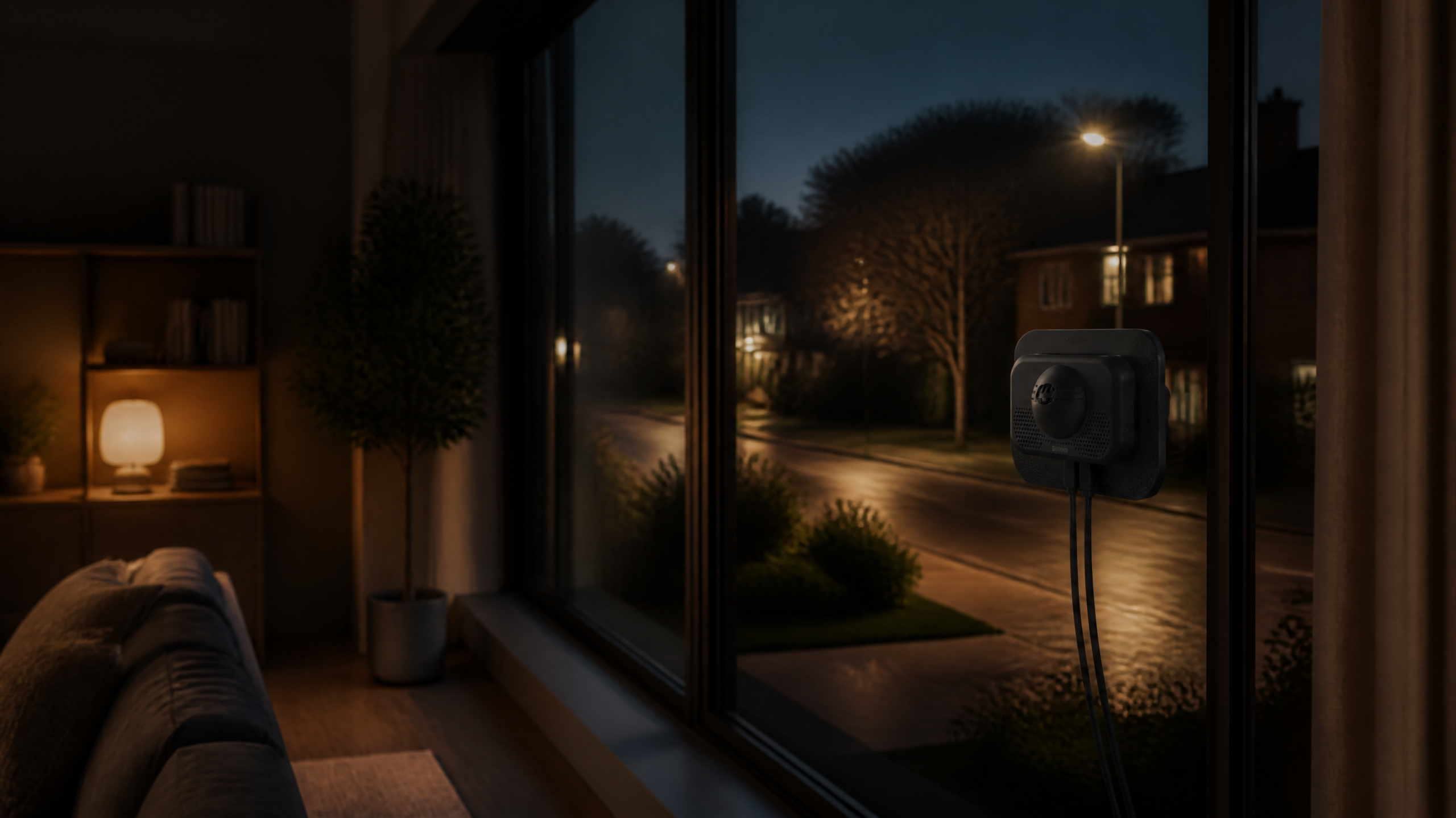
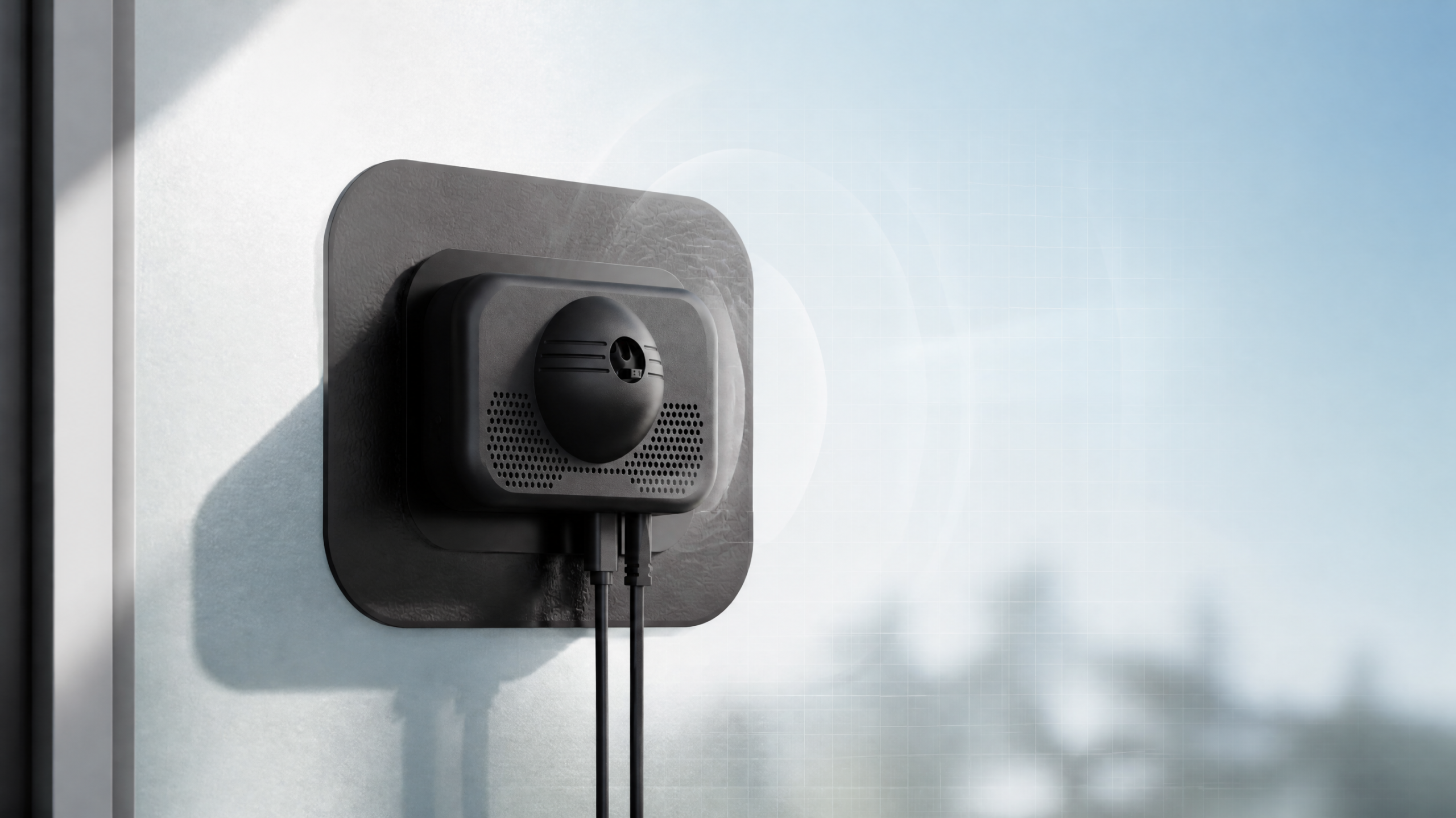
The ShowMo WinEye is specifically designed with renters in mind. It’s a window-mounted security camera, meaning no drilling, no sticky adhesives on walls, and no permanent alterations to your rental property. This addresses the primary concern for most landlords regarding modifications.
Key Renter-Friendly Features of ShowMo WinEye:
- No-Drill Installation: Its innovative design allows it to be securely mounted to the inside of your window pane, looking out, without any tools or damage. This makes it incredibly easy to install and remove, perfect for temporary living situations.
- Discreet Placement: Placed inside your window, it’s less noticeable from the exterior, which can alleviate landlord concerns about aesthetic changes or conspicuous security equipment.
- 4K Night Vision: Don’t compromise on security just because you’re renting. The ShowMo WinEye offers crystal-clear 4K resolution and advanced night vision, ensuring you capture every detail, day or night.
- Focuses on Your Space: By mounting it internally and angling it to cover your entryways or the immediate outdoor perimeter of your unit, you maintain control over what’s recorded and minimize privacy concerns with neighbors.
- Easy Relocation: Moving out? Simply unmount it from the window. No repairs, no hassle, just grab your camera and go.
The ShowMo WinEye provides outdoor security functionality from an indoor, renter-approved position. It’s an ideal solution for apartments, condos, and rental homes where traditional outdoor camera installations are either prohibited or impractical.
Navigating the Conversation with Your Landlord
Even with a renter-friendly camera like the ShowMo WinEye, a brief heads-up or a quick read of your lease is always recommended. Here’s how to approach the conversation:
- Review your lease thoroughly: Pinpoint any clauses related to alterations, exterior appearance, or privacy.
- Choose a non-invasive camera: Opt for solutions like the ShowMo WinEye that require no drilling or permanent changes.
- Draft a polite, informative email: Explain your security concerns and describe the camera you intend to use. Emphasize its non-invasive nature.
- Example: “I’m writing to inform you that I plan to install a window-mounted security camera for my personal safety. This camera, like the ShowMo WinEye, attaches directly to the inside of my window and requires no drilling or permanent changes to the property. It will only monitor my immediate entryway/the area directly outside my window.”
- Offer reassurance: Clearly state that the camera will not record common areas or interfere with neighbors’ privacy.
- Keep a record: Save copies of all communications.
Most landlords appreciate proactive communication, especially when it comes to tenant safety and responsible use of technology that doesn’t damage their property.
FAQ: Security Camera Lease Rules for Renters
Q1: Can my landlord legally stop me from installing an indoor security camera?
A: Generally, no, unless it requires permanent changes to the property (like drilling) or records areas outside your private leased space. An indoor camera that monitors only your personal belongings and living area is typically considered within your renter’s rights, provided it doesn’t violate specific lease terms about modifications. Always double-check your lease and opt for non-damaging solutions.
Q2: What if my lease says “no alterations” at all?
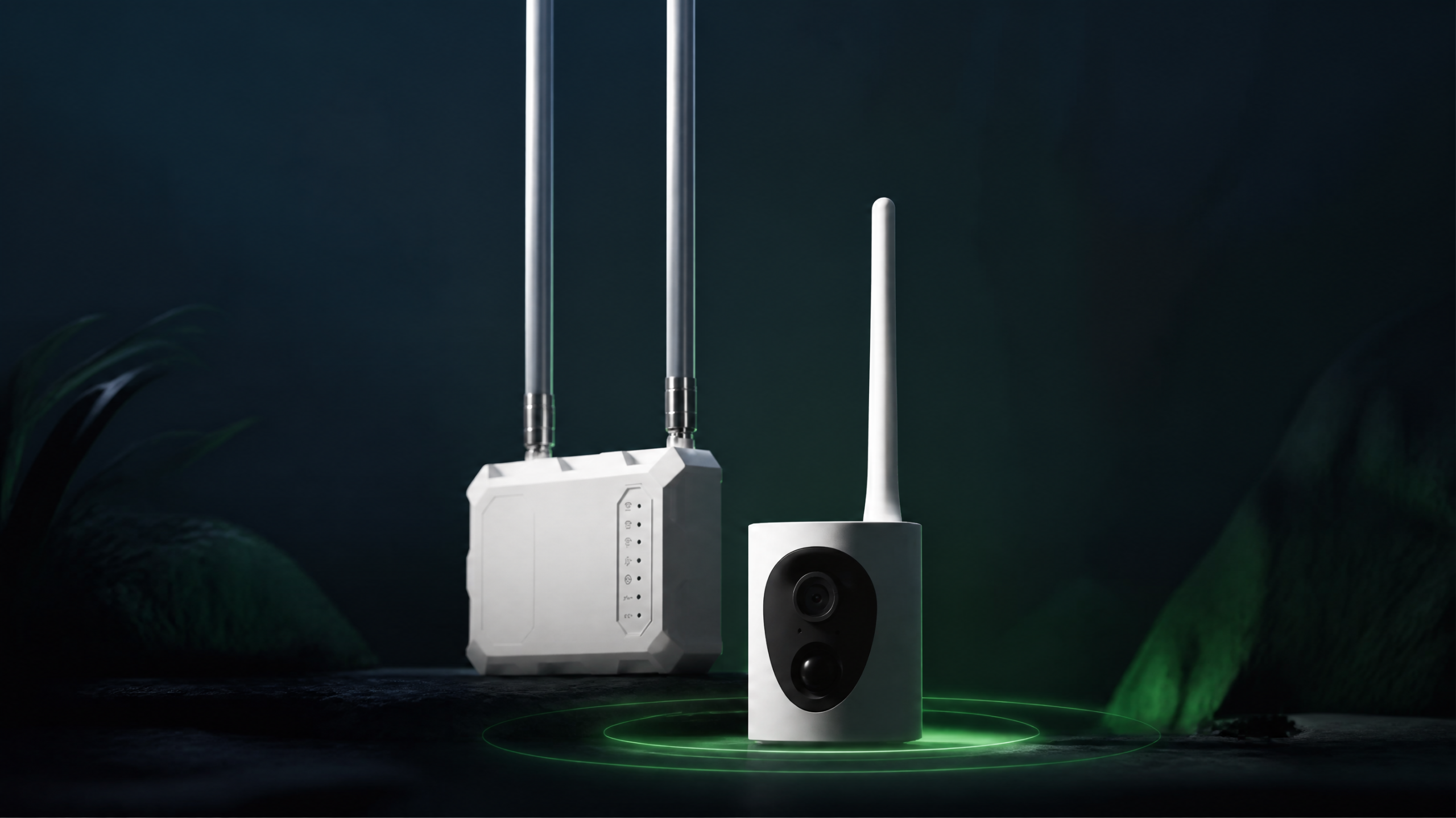
A: If your lease has a strict “no alterations” clause, it’s best to choose a camera that requires absolutely no physical changes to the property. Devices like window-mounted or freestanding cameras (e.g., the ShowMo WinEye) are designed for this. If it needs to be glued, screwed, or wired into the wall, it would likely violate this clause. When in doubt, communicate with your landlord.
Q3: Can I point a security camera into a common hallway or parking lot?
A: This is generally a bad idea and can lead to legal issues. Recording common areas usually requires explicit permission from the landlord and often, in some jurisdictions, consent or clear notice to other tenants. There’s a strong expectation of privacy in these shared spaces. Focus your camera on your own unit’s entrance or the immediate area you are exclusively permitted to use.
Conclusion: Secure Your Rental Smartly
Securing your rental property doesn’t have to be a battle with your landlord or a breach of your lease. By understanding what leases say about cameras, focusing on non-invasive solutions, and maintaining open communication, you can enhance your personal safety and protect your belongings effectively.
Remember to always read your lease carefully first. When considering options, prioritize cameras that respect your landlord’s property and your neighbors’ privacy. Products like the ShowMo WinEye offer an ideal balance, providing robust security features without the installation headaches or lease violations associated with traditional camera systems. Take control of your home security with confidence, ensuring you stay safe and stay within your renter-friendly boundaries.