

Window Security Camera IR Blowback: What It Is and How to Fix It
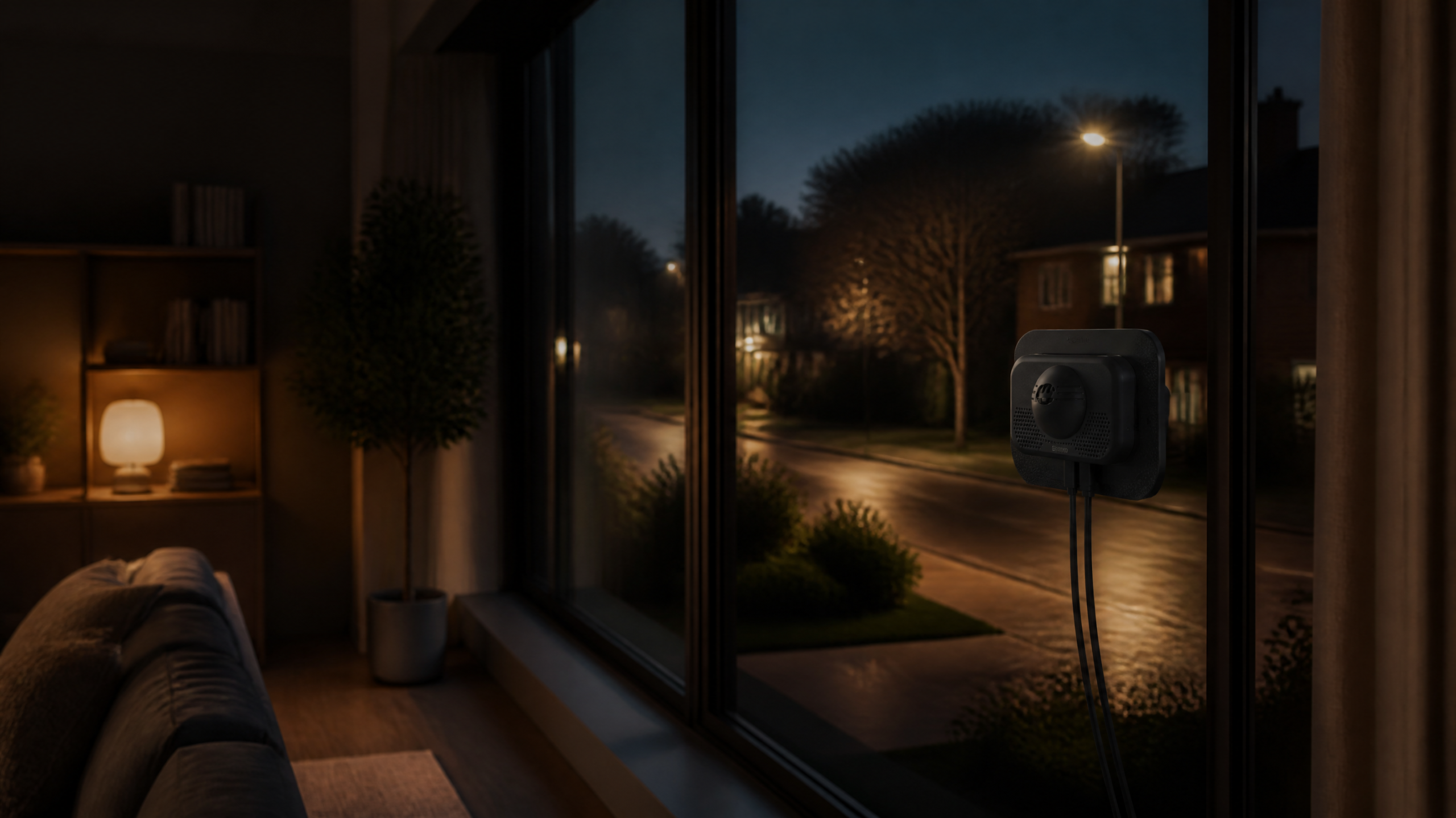
You’ve invested in a fantastic home security camera, hoping to keep a watchful eye on your property day and night. You’ve strategically placed it inside, pointing out through a window for a discreet and easy installation. But then, as darkness falls, your crisp night vision turns into a blurry, washed-out mess. You’re experiencing what’s known as window security camera IR blowback or IR reflection.
This common headache can turn your state-of-the-art camera into a glorified paperweight after sunset. But don’t despair! In this comprehensive guide, we’ll explain exactly what IR blowback is, why it occurs, and most importantly, how to fix it. We’ll also introduce you to a revolutionary solution designed specifically for hassle-free window mounting.
Understanding Window Security Camera IR Blowback
To grasp why your night vision is failing, you first need to understand how most security cameras achieve it. Many cameras come equipped with infrared (IR) illuminators – tiny LED lights that emit infrared light, which is invisible to the human eye but detectable by your camera’s sensor. This IR light bounces off objects in the dark and reflects back to the camera, creating a black and white image.
So, what happens when you place this camera behind a window? Here’s the breakdown:
- IR Emission: Your camera’s IR illuminators cast infrared light outwards.
- Glass Reflection: When this IR light hits the glass pane of your window, a significant portion of it doesn’t pass through. Instead, it reflects straight back into the camera lens.
- Lens Overload: The camera’s sensor is then overwhelmed by this extremely bright, reflected IR light.
- Washed-Out Image: The result is a severely overexposed image that appears milky, foggy, or completely white, rendering essential details invisible. This is the dreaded IR reflection window camera fix scenario you’re grappling with.
Essentially, the camera is “blinding itself” with its own light, preventing it from seeing anything beyond the glass.
Why Positioning Inside for Outside View is Appealing (and Problematic)
Putting a security camera inside to monitor the outdoors offers several undeniable benefits:
- Easy Installation: No drilling, no complicated wiring through walls. Just place it on a sill or mount it to the window frame.
- Protection from Elements: The camera is safe from rain, snow, extreme temperatures, and direct sunlight, potentially extending its lifespan.
- Reduced Theft/Tampering: An indoor camera is much harder for intruders to spot, reach, or disable.
- Rental-Friendly: Perfect for tenants who can’t make permanent alterations to their property.
However, these advantages often come at the cost of night vision quality due to IR blowback. This is why understanding the problem and its solutions is crucial.
Effective Solutions for Tackling IR Blowback
While the problem seems inherent, there are several strategies you can employ to minimize or eliminate IR blowback. When considering an IR reflection window camera fix, one of these options should work for you.
1. Turn Off the Camera’s Built-in IR Illuminators
This is often the most straightforward and effective method. If your camera allows you to disable its infrared LEDs through its app or settings:
- How it Helps: By turning off the internal IR, you prevent the primary source of reflection from hitting the glass.
- The Catch: Your camera will then be blind in the dark. It will need an external light source to see.
2. Provide External Infrared Illumination
If you’ve turned off your camera’s internal IR, you’ll need an alternative. An external IR illuminator can be placed outside, directed towards the area you want to monitor. These devices are relatively inexpensive and project IR light without the glass obstruction.
- How it Helps: The external IR light illuminates the scene beyond the window, and since it’s outside, there’s no glass for it to reflect off of back into your camera.
- Considerations: This requires an outdoor power source for the illuminator and an additional device to install.
3. Use an Outdoor Floodlight or Motion-Activated Light
For a less “technical” solution, consider using a standard outdoor floodlight or a motion-activated light. When activated, these lights brightly illuminate the area, allowing your camera to switch to full-color night vision (if available) or standard black and white without needing IR.
- How it Helps: Provides ample visible light for your camera to see without relying on IR.
- Considerations: May not be as discreet as IR lighting and might bother neighbors.
4. Angle the Camera to Reduce Reflection
Sometimes, simply adjusting the camera’s angle can make a difference. Try positioning the camera as close to the glass as possible and angling it slightly to minimize the direct reflection of its own IR light back into the lens.
- How it Helps: Reduces the amount of direct IR light bouncing back.
- Limitations: Often a partial fix; may not fully eliminate blowback, especially with wide-angle lenses.
5. The “Blackout” Method (Physical Barrier)
For some DIY enthusiasts, creating a physical barrier around the camera lens and against the glass can help. You can use cardboard, foam, or even a sock to block the IR emitters from reflecting off the glass while still allowing the lens to see out.
- How it Helps: Physically prevents IR light from hitting the glass near the lens.
- Limitations: Can be unsightly, difficult to secure, and might still not completely eliminate reflection if not perfectly sealed.
6. Utilize a Camera Designed for Window Mounting (Glass Mode IR Cut Camera)
This is arguably the most elegant and effective solution. Some cameras are specifically engineered to address the challenges of window placement. These often feature a glass mode IR cut camera setting that automatically disables the built-in IR while optimizing other settings for better low-light performance through glass.
- How it Helps: Solves the problem at the design level, often with integrated software to compensate for light differences.
- Considerations: Requires purchasing a camera with this specific feature.
Comparison of IR Blowback Fixes
| Fix Strategy | Pros | Cons | Best For |
|---|---|---|---|
| Disable Internal IR | Simple; direct blowback elimination. | Requires external light source. | Users with existing outdoor lighting or willing to add external IR. |
| External IR Illumination | Effective night vision; no more glass reflection. | Requires extra device; outdoor power. | Optimal night vision from inside, discreet. |
| Outdoor Floodlight | Uses existing lighting; may offer color night vision. | May bother neighbors; less discreet. | General illumination needs; users prioritize convenience. |
| Camera Angle Adjustment | Free; no extra equipment. | Often a partial fix; limited effectiveness. | Minor IR reflection issues; quick attempt before other fixes. |
| “Blackout” Method | Low cost; DIY solution. | Unsightliy; might not be fully effective; can damage camera. | Temporary fix; budget-conscious users. |
| Window Designed Camera | Engineered solution; integrated performance; no drilling. | Requires specific camera purchase. | Best overall experience for window mounting; renters. |
Product Spotlight: The ShowMo WinEye – Your Window-Mounting Solution
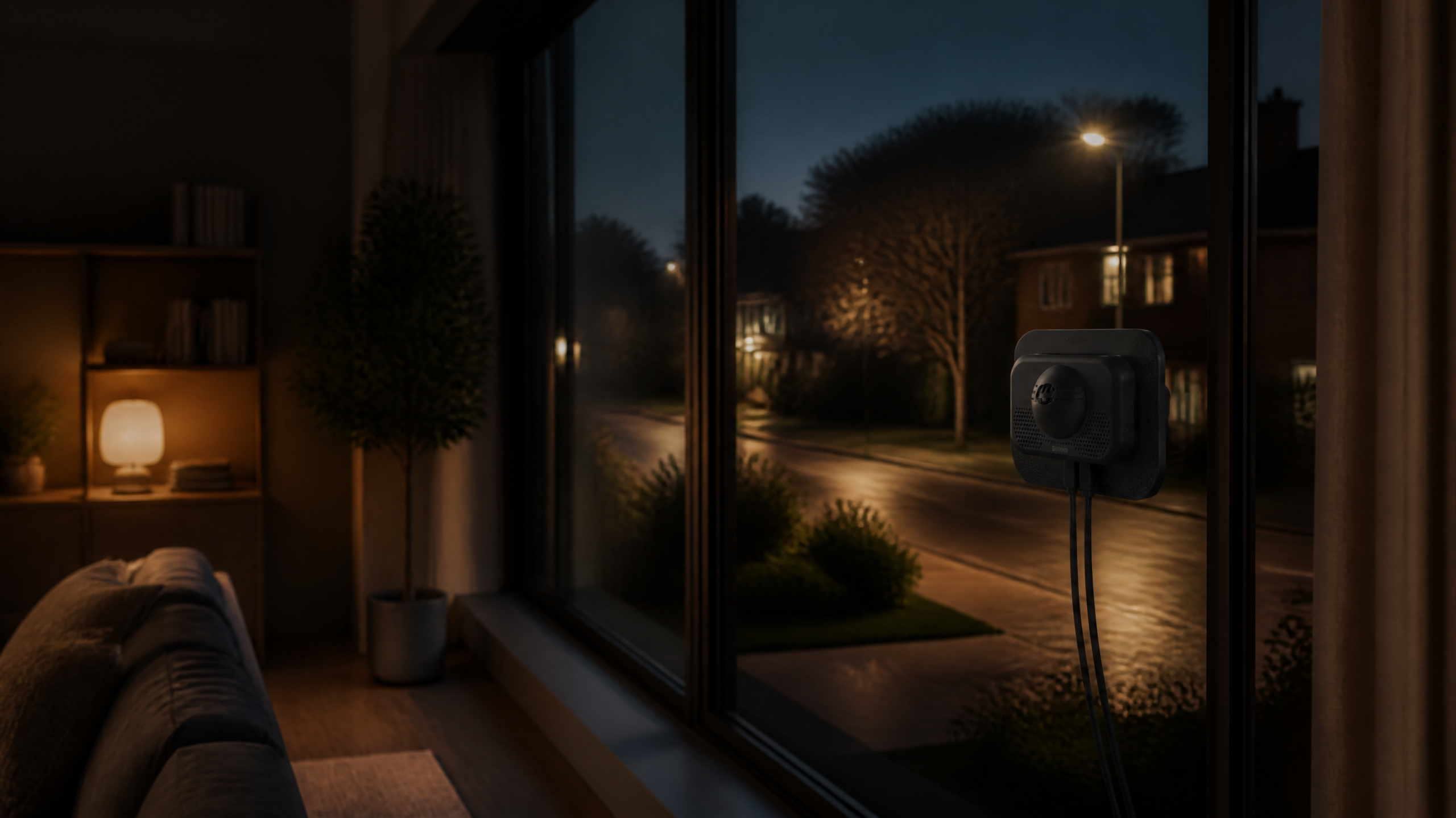
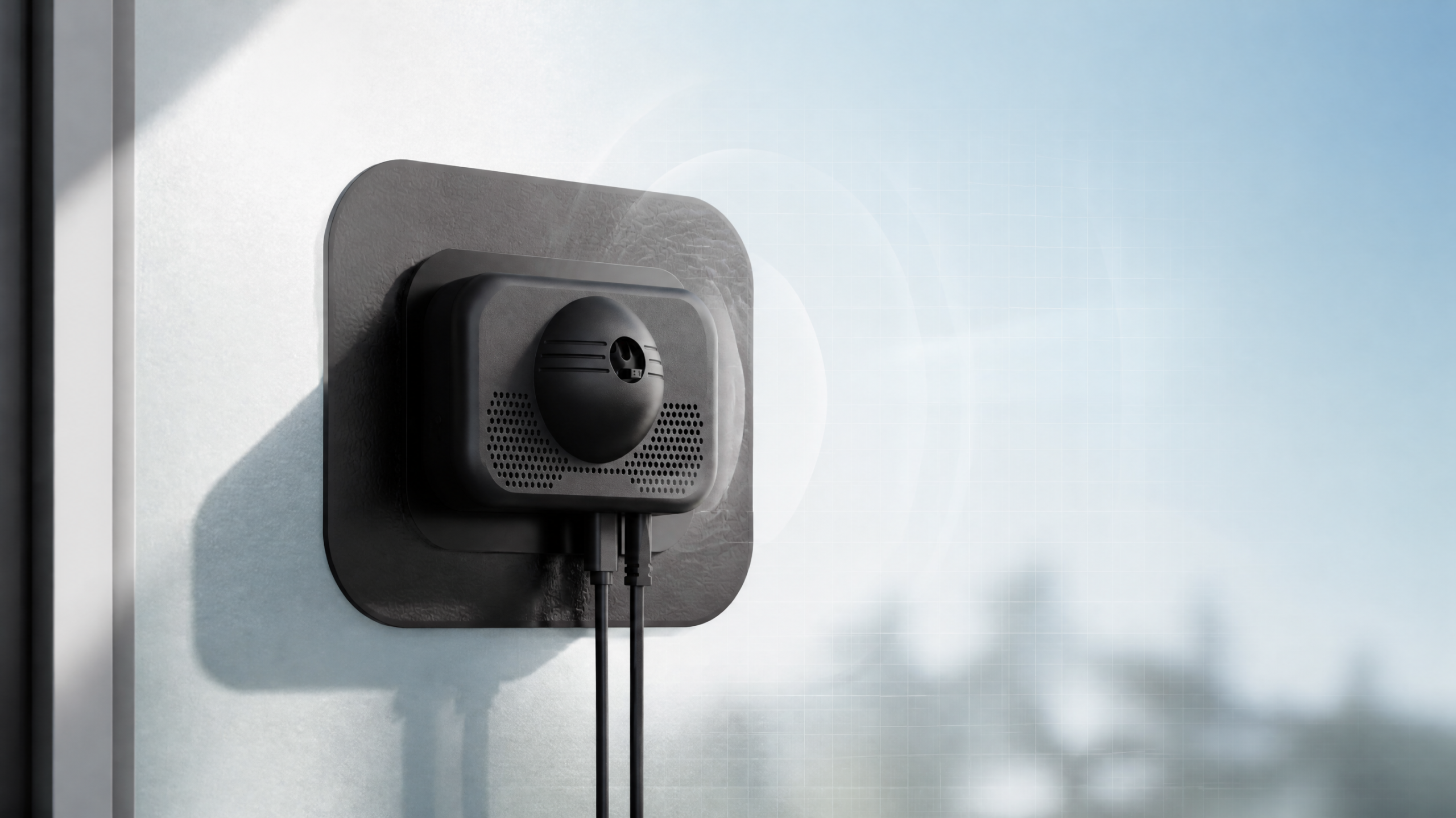
If you’re looking for a security camera specifically designed to overcome the challenges of window mounting, the ShowMo WinEye is an exceptional choice. It’s built from the ground up to provide crystal-clear outdoor surveillance from the comfort and security of your home, without any of the typical IR blowback issues.
The ShowMo WinEye stands out with features like:
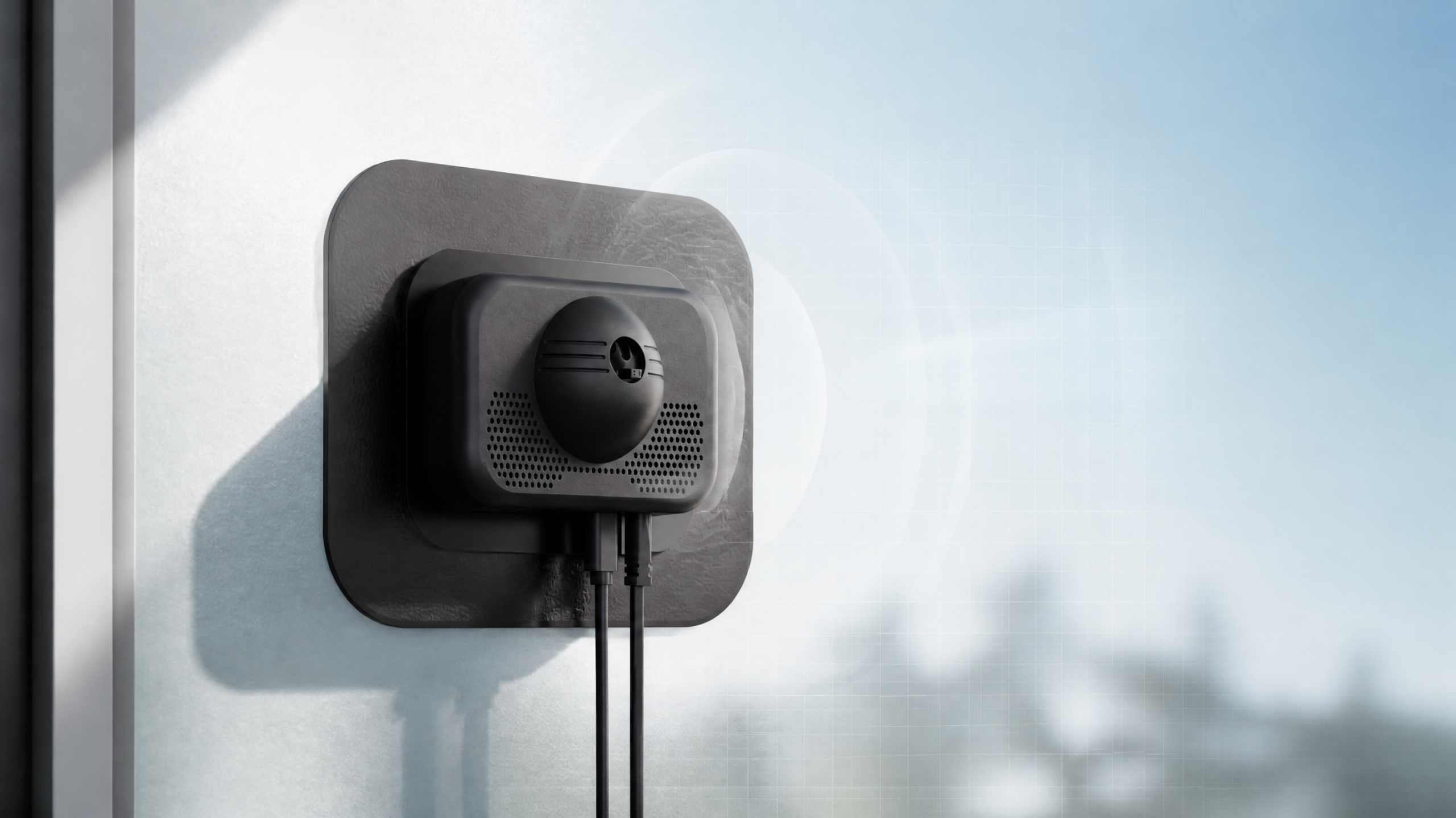
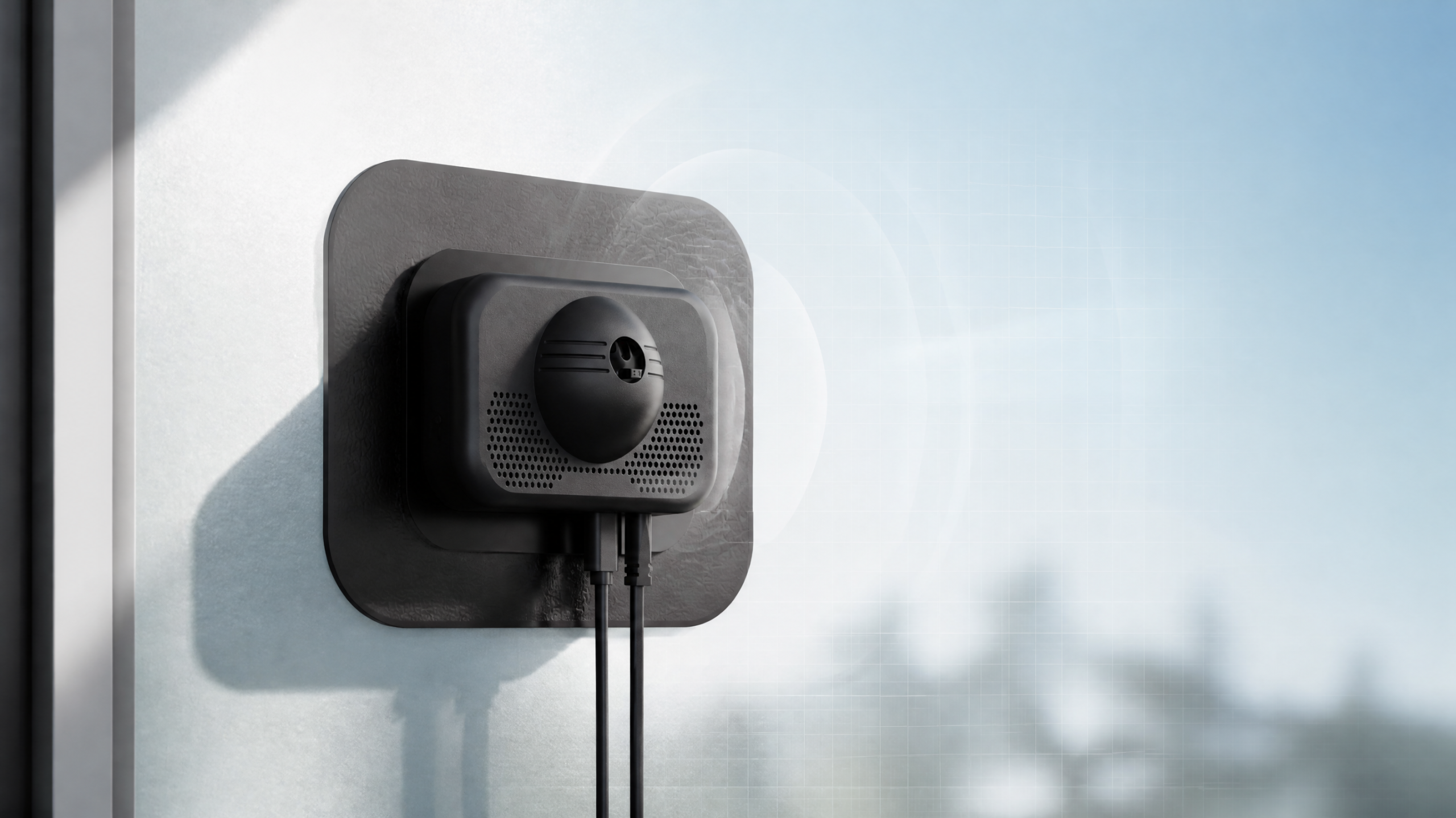
- Hassle-Free No-Drill Installation: Its innovative suction cup design allows you to simply attach it to any window, making installation a breeze and perfect for renters or anyone avoiding permanent modifications.
- 4K UHD Night Vision (No IR Blowback): This camera is engineered to deliver stunning 4K clarity even in low-light conditions, specifically avoiding the IR reflection problem that plagues conventional cameras. It uses advanced algorithms and light sensitivity to deliver a vibrant and detailed picture without needing its own IR emitters to bounce off the glass.
- PIR Motion Detection: Enhanced Passive Infrared (PIR) detection ensures accurate alerts, minimizing false alarms from swaying trees or shadows.
- Privacy & Security: As an indoor camera, it’s protected from weather, theft, and tampering, offering greater peace of mind.
- Wide Field of View: Captures a broad area, ensuring comprehensive coverage of your outdoor space.
The ShowMo WinEye isn’t just another security camera; it’s a dedicated solution for those who want the convenience of indoor placement with uncompromising outdoor visibility, free from the frustrations of window security camera IR blowback. Its design elegantly sidesteps the need for clunky external illuminators or unsightly physical barriers, offering a truly ‘set it and forget it’ experience.
Frequently Asked Questions About Window Security Camera IR Blowback
Q1: Can doubling the glass (e.g., a double-paned window) make IR blowback worse?
A1: Yes, in many cases, double-paned windows can exacerbate IR blowback. Each pane of glass provides another surface for the infrared light to reflect off, potentially leading to even more scattered and intense internal reflections. This makes it even more critical to disable internal IR or use a camera designed for window mounting, like the ShowMo WinEye.
Q2: Does tinting a window help or hurt IR visibility?
A2: Tinting a window generally hurts IR visibility for cameras placed inside. Tinted windows are designed to block or absorb light, including infrared light. While they might reduce some direct reflections, they will also significantly diminish the amount of IR light (or even visible light) that can pass through to illuminate the scene outside, resulting in a much darker and less detailed image for your camera.
Q3: Why don’t all security cameras have a “glass mode IR cut camera” feature?
A3: Developing a truly effective “glass mode IR cut camera” involves more than just turning off IR. It requires advanced image processing, highly sensitive optical sensors, and specialized algorithms to compensate for the reduced light and potential glare when shooting through glass. Many standard security cameras are designed primarily for direct outdoor mounting or indoor-only use, so manufacturers don’t invest in these specific features for window applications.
Conclusion
Window security camera IR blowback is a frustrating but solvable problem that affects many homeowners trying to leverage the convenience of indoor camera placement for outdoor monitoring. By understanding its causes and implementing the right fix – whether that’s disabling internal IR, adding external illumination, or choosing a purpose-built device – you can restore your camera’s night vision to its full potential.
For those seeking the ultimate solution that eliminates IR blowback while offering easy, drill-free installation and superb 4K clarity, the ShowMo WinEye stands out. It’s a prime example of how innovative design can overcome common security challenges, keeping your home safe and sound, day and night.