
HOA Security Camera Rules: What You Can and Cannot Install in 2026
Living in a Homeowners Association (HOA) community often comes with a host of benefits, from well-maintained common areas to enhanced property values. However, these benefits also come with a set of rules and regulations designed to maintain uniformity and community standards. When it comes to home security, understanding your HOA’s stance on security camera installation is crucial. In 2026, with surveillance technology constantly evolving, knowing what’s permissible and what’s not can save you headaches, fines, and even legal disputes.
This comprehensive guide will navigate the complex landscape of HOA security camera rules, helping you understand your rights, responsibilities, and how to choose an HOA-compliant security camera solution. We’ll specifically address common restrictions, offer practical advice, and introduce you to an innovative product designed to circumvent many typical HOA hurdles.
Understanding the Landscape: Why HOAs Regulate Security Cameras
HOAs regulate security cameras for a variety of reasons, primarily centered around privacy, aesthetics, and community harmony. While your desire for enhanced security is understandable, your HOA also aims to protect the privacy of other residents and maintain the uniform appearance of the community. Here are the key concerns that drive HOA security camera restrictions:
- Privacy Concerns: The most significant factor. HOAs want to prevent cameras from infringing on neighbors’ private spaces, such as windows, backyards, or shared common areas where privacy is reasonably expected.
- Aesthetic Standards: Visible cameras, especially bulky or poorly installed ones, can detract from the community’s desired look. HOAs often have rules about exterior modifications, paint colors, and visible fixtures.
- Common Area Surveillance: Placing cameras that monitor common areas (pools, clubhouses, parks) without explicit HOA approval can lead to disputes about who owns and accesses the footage, and for what purpose.
- Varying Interpretations of “Reasonable Use”: What one homeowner considers reasonable self-protection, another might view as an invasion of privacy. HOAs try to establish guidelines to mitigate these subjective interpretations.
- Legal Liability: In some cases, HOAs may be concerned about potential legal liability if a resident’s camera captures something that could be used in a legal dispute or if the camera itself is deemed to violate privacy laws.
It’s important to remember that HOA rules are legally binding documents, and ignoring them can lead to warnings, fines, removal orders, and even legal action. Always consult your specific HOA’s Covenants, Conditions, and Restrictions (CC&Rs) and By-Laws before installing any exterior security equipment.
Common HOA Security Camera Restrictions in 2026
While specific rules vary by HOA, several common themes emerge when it comes to security camera restrictions. Being aware of these can help you plan your security strategy effectively and find a security camera HOA restrictions compliant solution.
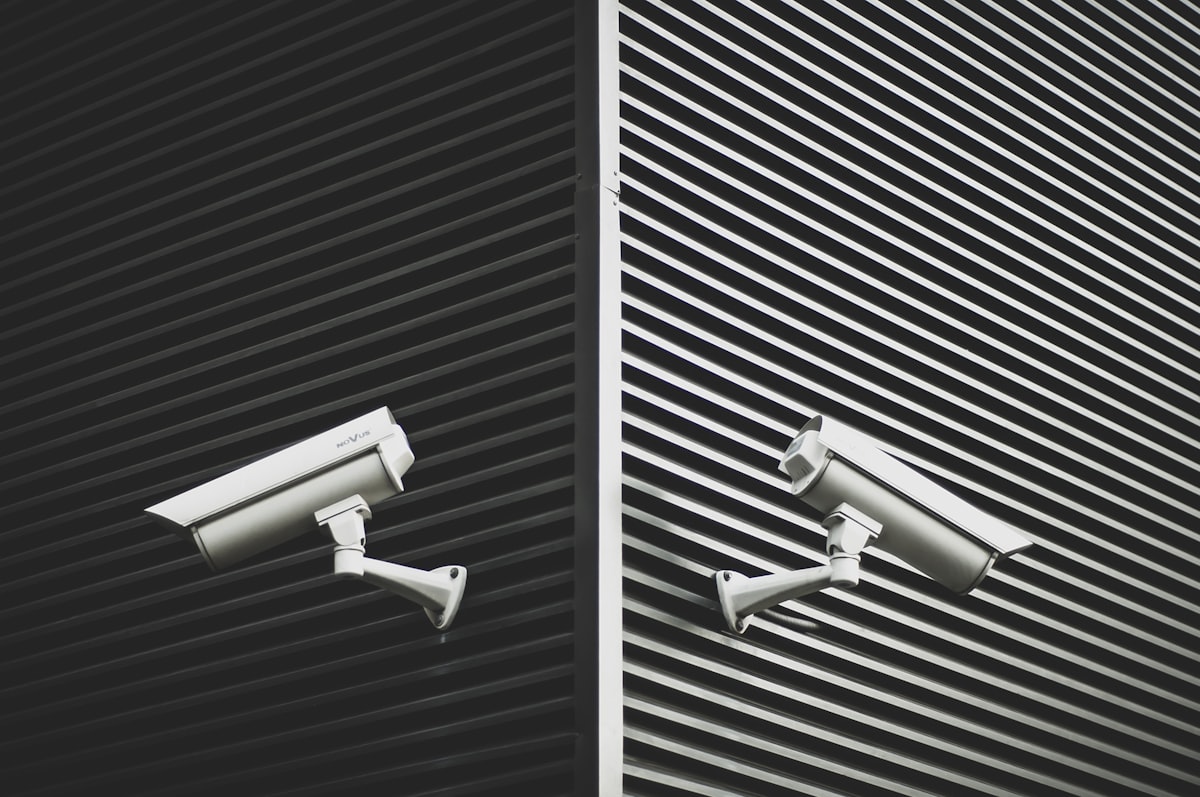
- Exterior Mounting Limitations: Many HOAs prohibit drilling into exterior walls, roofs, or eaves, especially if it alters the aesthetic or structural integrity of the building. This is a major hurdle for many traditional outdoor cameras.
- Visibility and Appearance: Large, conspicuous cameras, or those with bright indicator lights, might be disallowed. Some HOAs may require cameras to be discreet, camouflaged, or placed in less visible locations.
- Field of View Regulations: A prevalent restriction is prohibiting cameras from pointing directly into a neighbor’s property, including their windows, backyard, or front door (if it’s not your own). The “reasonable expectation of privacy” is a key concept here. Public-facing areas like streets or your own front porch are generally acceptable.
- Common Area Surveillance: Installing cameras that actively monitor shared common areas without explicit HOA permission is almost universally prohibited. This includes community pools, clubhouses, and shared pathways.
- Wiring and Installation: Visible wiring running across exterior walls or over roofs is often against HOA guidelines, as it can detract from property aesthetics. Many HOAs prefer professional installation to ensure adherence to standards.
- Lighting and Audio Recording: Some HOAs may have rules against overly bright floodlights attached to cameras, especially if they illuminate a neighbor’s property at night. Additionally, while video recording for security is common, audio recording without the consent of all parties involved can raise legal and privacy issues, which HOAs may address in their rules.
Always start by reviewing your HOA’s governing documents. If the rules aren’t clear, contact your HOA board or management company for clarification and, if necessary, submit an architectural review request before proceeding with installation.
Navigating Your HOA’s Rules and Finding Compliant Solutions
Successfully installing security cameras in an HOA community requires a proactive and informed approach. Here’s how to navigate the process and find an HOA-compliant security camera:
- Read Your CC&Rs Thoroughly: This is your bible. Pay close attention to sections on “exterior modifications,” “architectural guidelines,” “privacy,” and “nuisance.” These will dictate what you can and cannot do.
- Proactive Communication with Your HOA: If your HOA’s rules seem unclear or don’t explicitly mention security cameras, it’s always better to ask for written clarification. Some HOAs may have an approval process for exterior changes, even minor ones.
- Focus on Discretion and Minimal Impact: When selecting a camera, prioritize models that are discreet, blend into the home’s exterior, or offer non-invasive installation methods.
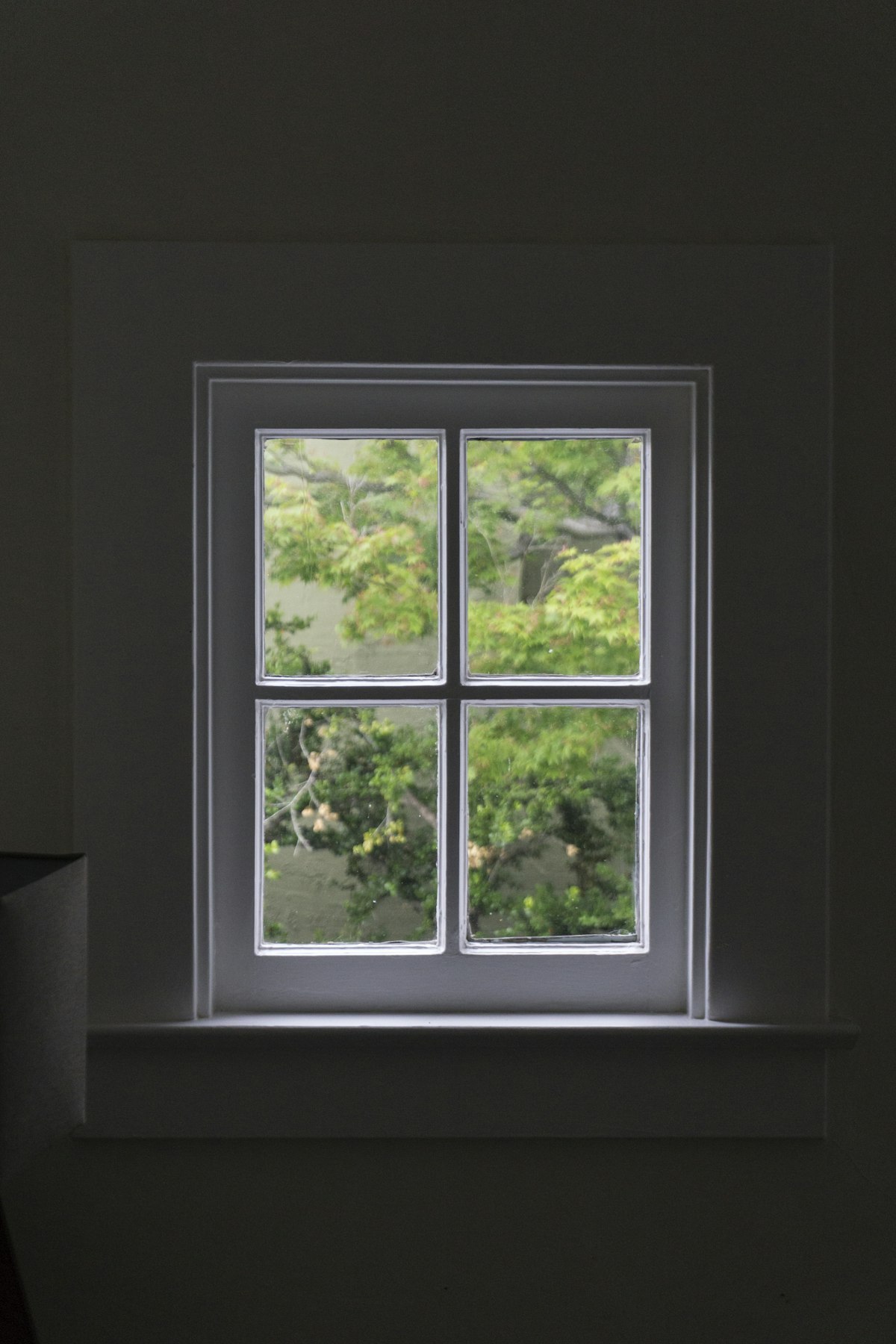
- Consider Indoor Cameras with Outdoor Views: This is often the most HOA-friendly solution. Cameras placed inside a window, looking out, typically bypass most exterior modification and drilling restrictions. Ensure the camera has features like night vision that can penetrate glass.
- Battery-Powered or Solar-Powered Options: These can help avoid visible wiring, which is a common HOA complaint. However, ensure they provide reliable, long-term security.
- Explore Doorbell Cameras: Many HOAs consider doorbell replacement a minor alteration. If your HOA allows changing door hardware, a smart doorbell camera can be an excellent, less contentious option for front-door surveillance.
Table: HOA Camera Compliance Scenarios
| Scenario | Typical HOA Compliance Status | Considerations/Recommendations |
|---|---|---|
| Camera drilled into exterior wall | Likely Restricted/Requires Approval | Aesthetic impact, potential damage, visibility of wiring. Seek explicit HOA approval with detailed plans. |
| Camera on stake in front yard | Often Restricted/Requires Approval | Impacts landscaping, common area encroachment, aesthetic concerns. Ensure it’s on your property, not common ground. |
| Camera mounted indoors, looking out window | Generally Compliant | No exterior modification, preserves aesthetics. Ensure camera functionality through glass (e.g., specific night vision modes). |
| Video doorbell camera replacement | Often Compliant/Minor Approval | Considered a fixture/door hardware. Check HOA’s stance on exterior hardware changes. Maintain architectural style. |
| Camera on balcony/patio without drilling | Often Compliant | Must not extend beyond your private patio space, avoid drilling. Field of view must respect neighbor’s privacy. |
Product Spotlight: ShowMo WinEye – Your HOA-Compliant Solution
If you’re seeking a powerful yet discreet security camera that bypasses common HOA restrictions, the ShowMo WinEye is an ideal choice. Designed with HOA residents in mind, this innovative security camera redefines “HOA compliant security camera.”
The ShowMo WinEye is a window-mounted security camera, meaning it installs entirely indoors. This eliminates the need for drilling into exterior walls, visible wiring, or concerns about aesthetic impact – instantly resolving many common HOA compliance issues. Despite its indoor placement, it offers robust outdoor security thanks to its cutting-edge 4K night vision capabilities, ensuring clear, detailed footage even in complete darkness, right through your window pane. Its no-drill installation means you can set it up quickly and easily, without a professional, and without triggering any HOA modification requests.
With ShowMo WinEye, you get peace of mind and powerful surveillance without compromising your HOA’s rules or your commitment to community aesthetics. It’s the perfect blend of sophisticated technology and HOA-friendly design, making it an excellent security camera HOA restrictions compliant choice for any homeowner.
FAQs on HOA Security Camera Rules
Here are answers to some frequently asked questions about HOA security camera rules:
Q1: Can my HOA force me to remove a security camera I already installed?
A1: Yes, if the camera was installed in violation of your HOA’s governing documents (CC&Rs, By-Laws) or architectural guidelines. If you didn’t seek approval for an exterior modification where one was required, or if the camera infringes on neighbor privacy, the HOA can issue a violation notice and demand its removal or repositioning. Always check your rules before installation.
Q2: What should I do if my neighbor’s camera is pointing directly into my yard or window?
A2: First, politely approach your neighbor and express your concerns. Often, they might not realize the extent of their camera’s field of view. If direct communication doesn’t resolve the issue, formally submit a complaint to your HOA with details and any supporting evidence. The HOA should then investigate whether the camera violates their privacy or nuisance clauses, or state/local laws.
Q3: Are there any federal or state laws that override HOA security camera rules?
A3: Generally, HOA rules must comply with federal, state, and local laws. While there isn’t a specific federal law dictating HOA camera rules, broader privacy laws (like those related to surveillance in private spaces) and sometimes “right to record” laws can apply. Many states have “right to record” laws, particularly concerning one’s own property or public-facing areas. However, these laws usually don’t grant you the right to surreptitiously record private conversations or areas where there’s a reasonable expectation of privacy. If your HOA rules are excessively restrictive and you believe they infringe on your legal rights, consulting with a legal professional specializing in HOA law or privacy law is advisable.
Conclusion
Navigating HOA security camera rules in 2026 requires diligence, awareness, and a strategic approach. While the primary goal of any homeowner is to enhance security, doing so in an HOA community means balancing personal safety with community guidelines and neighbor privacy. By thoroughly understanding your HOA’s CC&Rs, communicating proactively, and choosing solutions that minimize impact and adhere to regulations, you can effectively secure your home without inviting disputes.
Products like the ShowMo WinEye exemplify how innovation can overcome traditional HOA hurdles, offering robust security without any exterior modifications. Remember, peace of mind comes not just from having a secure home, but also from being a compliant and respectful member of your community. Choose wisely, stay informed, and enjoy a safer, more harmonious living environment.