
Security Camera Placement Guide: Best Angles for Maximum Coverage
In today’s world, protecting your home and loved ones is a top priority. A crucial element of any robust home security system is the strategic placement of security cameras. But it’s not simply about sticking a camera anywhere; effective placement can be the difference between catching a potential intruder and missing vital evidence. This comprehensive security camera placement guide will walk you through the essential considerations, helping you determine the best angle for security camera views and where to mount security camera devices for optimal protection.
Whether you’re looking to deter burglars, monitor packages, or keep an eye on pets and children, understanding the science behind camera angles and fields of view is paramount. Let’s delve into how to maximize your home’s security with smart camera positioning.
Why Strategic Security Camera Placement Matters
Simply put, poor camera placement can render even the most advanced security camera useless. Here’s why thoughtful positioning is critical:
- Deterrence: Visible cameras, strategically placed, act as a powerful deterrent. Potential intruders are less likely to target a home they know is being monitored.
- Evidence Collection: In the event of a security breach, clear, unobstructed footage from the right angles is invaluable for identification and prosecution.
- Preventing Blind Spots: Every home has potential vulnerabilities. Proper camera placement minimizes or eliminates these “blind spots” where an intruder could go undetected.
- Optimizing Field of View: Each camera has a specific field of view. Placing it correctly ensures it captures the largest and most relevant area possible.
- Weather and Vandalism Protection: Cameras exposed to the elements or easily reachable by vandals are less effective and more susceptible to damage.
Key Considerations for Optimal Camera Placement
Before you even think about drilling, consider these essential factors:
1. Identify Vulnerable Entry Points
Start by walking around your home, both inside and out, and identify all potential entry points. These typically include:
- Front door and main entrance
- Back doors and patio doors
- Ground-floor windows (especially secluded ones)
- Garage doors
- Basement windows and doors
- Any accessible second-story windows or balconies
Prioritize these areas for camera coverage. A good rule of thumb is to place cameras where an intruder would first approach or gain access.
2. Consider Optimal Height and Angle
The height and angle of your camera are crucial for capturing usable footage. For exterior cameras, a sweet spot is typically between 8 to 10 feet off the ground. This height is high enough to be out of easy reach for tampering, yet low enough to capture clear facial features and activities.
- Avoid direct sunlight: Placing a camera directly facing the sun can result in washed-out, unusable footage (backlighting). Aim for cameras that capture the area with the sun or in shaded areas.
- Angle downwards: A slight downward angle (around 30 degrees) is often ideal. This allows the camera to capture a wider area closer to the ground, including faces as people approach, while also minimizing sky glare.
- Corner placement: Positioning cameras on corners provides a wider field of view, covering two sides of a building or a larger section of a yard.
3. Maximize Field of View and Minimize Obstructions
Every camera has a specific field of view, often measured in degrees. Wider angles (e.g., 120-180 degrees) cover more area but can sometimes distort images at the edges. Narrower angles (e.g., 60-90 degrees) provide more detail in a smaller area. Choose cameras that suit the area you intend to monitor.
Always ensure there are no physical obstructions blocking your camera’s view. This includes:
- Overhanging tree branches or dense foliage
- Decorative elements or architectural features
- Nearby vehicles, tall fences, or waste bins that could block the line of sight
4. Consider Lighting Conditions (Day and Night)
Most modern security cameras come with night vision capabilities, but their effectiveness can vary. Test your camera’s night vision in its intended location. Ensure that any outdoor lighting doesn’t create excessive glare or shadows that could impede visibility at night. For cameras without advanced night vision, supplemental outdoor lighting may be necessary.
5. Power and Connectivity
For wired cameras, consider the accessibility of power outlets. For wireless cameras, ensure a strong Wi-Fi signal at the chosen location. Signal strength testers or Wi-Fi extenders might be necessary in some areas. Keep in mind battery life for completely wireless options and plan for regular recharging or battery replacement.
Where to Mount Security Camera: Specific Locations and Angles
Let’s break down common areas and the best angle for security camera placement in each:
Front Door/Main Entrance
- Placement: Above the door, or slightly to the side on a corner for a wider view.
- Angle: Angled downwards to capture faces of visitors and package deliveries on the doorstep. Ideally, at a height of 7-9 feet.
- Goal: Identify visitors, monitor deliveries, deter porch pirates.
Back/Side Doors & Patios
- Placement: Above the door, covering the entry path and surrounding area. For patios, a corner camera works well.
- Angle: Downwards to cover access points and pathways.
- Goal: Monitor less-frequented entry points vulnerable to forced entry.
Garage & Driveway
- Placement: On a eave or corner of the garage, looking down the driveway and covering the garage door.
- Angle: Broad coverage of the driveway, vehicle, and garage entrance.
- Goal: Monitor vehicles, packages, and garage access.
Ground-Floor Windows
- Placement: Can be tricky for external cameras due to glare or limited mounting options. Consider indoor cameras facing outwards from the window (see Product Spotlight below!).
- Angle: To cover the window and the pathway leading up to it.
- Goal: Detect window breaches.
Yards & Property Lines
- Placement: On exterior walls, eaves, or strategically placed poles to monitor the perimeter.
- Angle: To cover property lines, access gates, or large open areas. Consider pan-tilt-zoom (PTZ) cameras for larger yards.
- Goal: Monitor larger areas, detect trespassers.
Comparison: Different Camera Types & Their Ideal Placement Scenarios
The type of camera you choose also influences its ideal placement. Here’s a quick comparison:
| Camera Type | Ideal Placement Scenarios | Considerations |
|---|---|---|
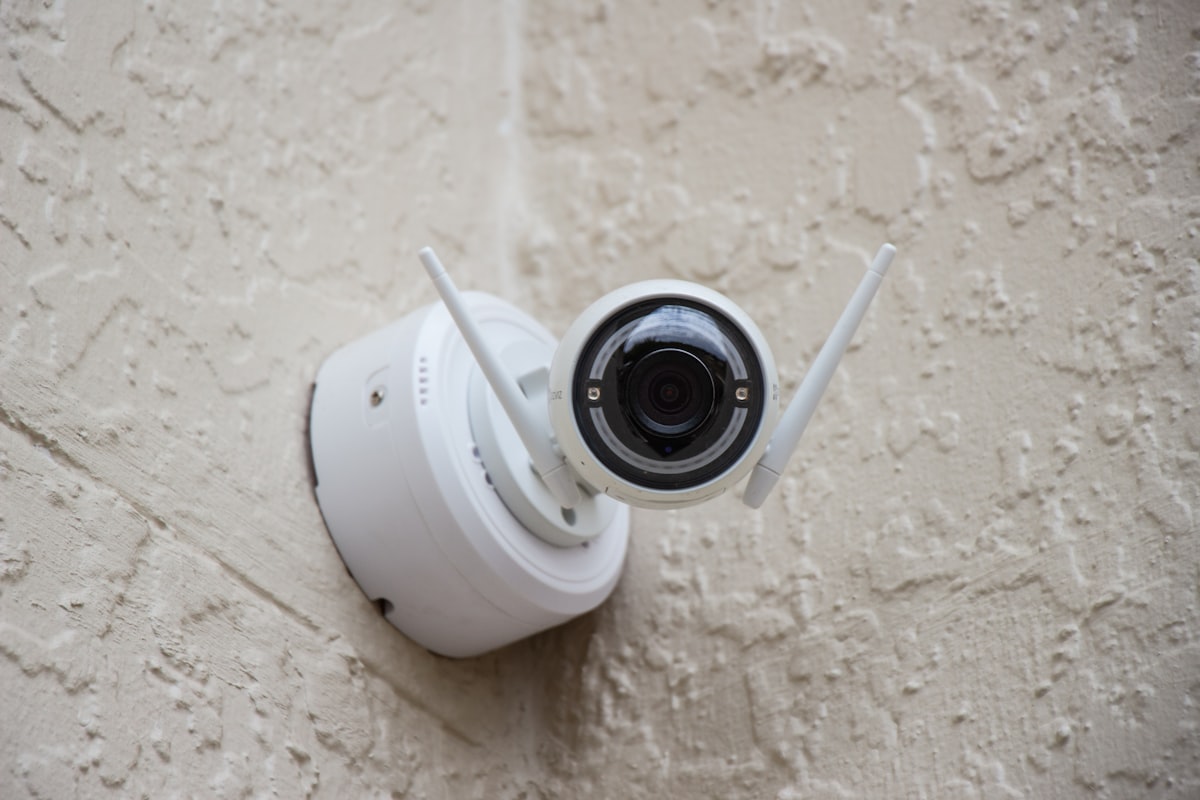
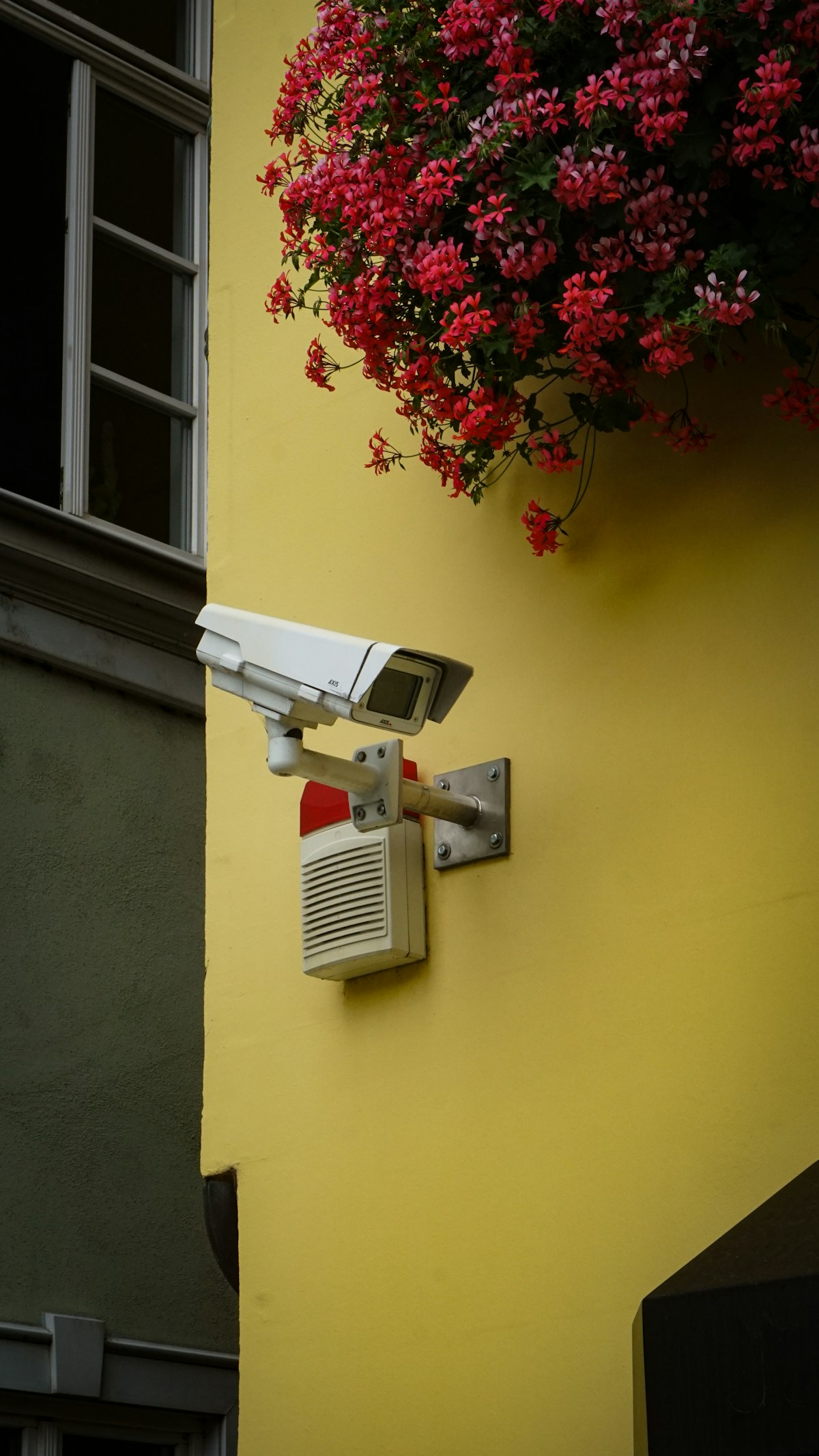
| Bullet Cameras | Long, narrow fields of view, e.g., driveways, pathways, building corners. | Durable, typically outdoor rated, often require permanent mounting. |
| Dome Cameras | Wide-angle coverage, e.g., patios, busy porches, indoor living spaces. | More discreet, vandal-resistant for public-facing areas. |
| PTZ Cameras | Large open areas requiring dynamic monitoring, e.g., large yards, warehouse floors. | Offers pan, tilt, and zoom functionality; higher cost, often requires human interaction or advanced motion tracking. |
| Window-Mounted Cameras | Apartments, rented homes, ground-floor windows, easy installation needs. | No drilling, outdoor view from indoors, can face glare depending on window quality. |
| Wire-Free Cameras | Locations difficult to run wires, e.g., detached garages, sheds, specific trees. | Battery life management, potential signal issues over long distances. |
Product Spotlight: ShowMo WinEye — Revolutionary Window-Mounted Security
For those seeking a hassle-free, non-invasive security solution, especially for apartments, rented homes, or simply to avoid drilling into walls, the ShowMo WinEye is an exceptional choice. This innovative window-mounted security camera is designed to provide robust outdoor surveillance from the comfort and safety of indoors.
The WinEye attaches directly to your window, inside your home, giving you a clear view of your lawn, driveway, porch, or street without exposing the camera to the elements or potential tampering. Its unique design eliminates the need for complex wiring or drilling, making installation incredibly simple. Plus, with its advanced 4K night vision capabilities, you’ll get crystal-clear footage even in complete darkness, ensuring continuous protection around the clock. The WinEye is perfect for covering those vulnerable ground-floor windows where traditional external mounting might be challenging or prohibited.
FAQ: Your Security Camera Placement Questions Answered
Q1: How high should I mount my outdoor security camera?
A1: For most outdoor security cameras, a height of 8 to 10 feet off the ground is recommended. This height makes the camera difficult to tamper with while still providing a clear, detailed view of faces and activities below. Mounting too high can make it harder to identify individuals, while too low puts it within easy reach of vandals.
Q2: Can I place a security camera indoors to monitor outdoors?
A2: Yes, absolutely! This is a growing popular option, especially for renters or those who want to avoid exterior installation. Cameras like the ShowMo WinEye are specifically designed for this purpose. When placing an indoor camera to monitor outdoors, ensure your window is clean, minimize internal reflections (turn off internal lights if possible at night), and check for glare during the day. Double-pane windows can sometimes affect image clarity or night vision, so test thoroughly.
Q3: How many security cameras do I need for my home?
A3: The exact number depends on the size and layout of your home, as well as your specific security concerns. A good starting point is to cover all main entry points (front door, back door, garage door) and any vulnerable ground-floor windows. For larger properties, you might also want cameras covering driveways, side yards, and common areas. A typical home might need anywhere from 3 to 6 cameras for comprehensive coverage.
Conclusion
Effective security camera placement is the cornerstone of a truly secure home. By understanding the vulnerabilities of your property, considering the optimal angles and heights, and leveraging the right technology for each scenario, you can create a robust surveillance system that deters threats and captures critical evidence. Remember to always test your camera’s field of view, night vision, and connectivity after installation to ensure maximum coverage and peace of mind. With this security camera placement guide, you’re well-equipped to make informed decisions and enhance your home’s defenses.