
Security Camera Privacy Laws: What You Can Legally Record in 2026
In an increasingly connected world, home security cameras offer unparalleled peace of mind, deterring crime and providing crucial evidence when incidents occur. But as technology advances, so does the complexity of navigating privacy regulations. What you can legally record with your security camera, especially footage captured outside your property, is a common question for many homeowners. With 2026 just around the corner, understanding the latest in security camera privacy laws is more important than ever.
This comprehensive guide will demystify the legal landscape of home security camera usage, ensuring you understand your rights and responsibilities. We’ll explore federal and state laws, discuss best practices for camera placement, and help you determine what you can legally record with a security camera without infringing on others’ privacy.
The Foundation: Understanding Public vs. Private Property
The core principle governing security camera privacy laws revolves around the distinction between public and private spaces. Generally, you have a much wider latitude to record activities that occur in public view than those taking place in areas where there’s a reasonable expectation of privacy.
- Public Property: This includes sidewalks, streets, parks, and other areas accessible to the general public. In these spaces, individuals typically do not have a reasonable expectation of privacy. Therefore, recording activities on public property is largely permissible.
- Your Own Private Property: You generally have the right to record anything that happens on your own property, visible from your property. This includes your front yard, backyard, driveway, and the exterior of your home. The key is that the camera shouldn’t actively be peering into areas where neighbors have a reasonable expectation of privacy.
- Other Private Property (Neighbor’s Yard, Windows): This is where things get tricky. Using a security camera to intentionally record activities on a neighbor’s private property, especially if it’s peering into their windows, backyard, or other areas where they expect privacy, can lead to legal issues. This could be considered invasion of privacy, harassment, or even trespassing in some jurisdictions if the camera is physically on their property.
It’s crucial to remember that while a camera might capture a neighbor’s property as part of a wider field of view, the intent and direct focus of the recording matter significantly in legal interpretations.
Key Legal Considerations and State Variations
While federal laws primarily focus on wiretapping (audio recording without consent), the bulk of security camera privacy laws that affect homeowners come down to state and local regulations. Here’s what to keep in mind:
1. Audio Recording vs. Video Recording
This is perhaps the most critical distinction. While video recording in public spaces or on your own property (without invading private areas) is generally permissible, audio recording is a different beast entirely.
- Video Recording: As discussed, largely allowed in public view.
- Audio Recording: Federal and many state laws prohibit recording private conversations without the consent of at least one party (one-party consent states) or all parties (all-party consent states). Most security cameras mounted outdoors would fall under situations where individuals might have a reasonable expectation that their conversations are private, even if they are within earshot of your property line. Therefore, it’s generally advised to disable audio recording features on outdoor cameras to avoid potential legal pitfalls.
Always check if your state is a one-party or all-party consent state for audio recording.
2. “Reasonable Expectation of Privacy”
This legal concept is central to many privacy disputes. An individual has a “reasonable expectation of privacy” in places where they can justifiably believe their activities are not subject to public scrutiny. This includes inside their homes, private yards not visible from the street, and in some cases, even inside their vehicles in certain contexts.
3. Notification Requirements
While less common for residential security cameras compared to commercial establishments, some jurisdictions might have requirements about informing individuals they are being recorded. For homeowners, this typically applies more to cameras placed inside rented properties or shared spaces. For your personal home’s exterior, visible signs are generally not legally mandated but can be a good neighborly gesture.
Achieving Legal Security Camera Placement: Best Practices
To ensure your security setup is both effective and compliant with legal security camera placement guidelines, consider these best practices:
- Focus on Your Property: Aim your cameras primarily at your own property – your driveway, front door, backyard, and property lines.
- Minimize Neighbor’s Property: While some overlap with a neighbor’s yard or a public sidewalk is often unavoidable, try to minimize direct, intentional surveillance of their private spaces, especially windows or private areas of their backyard.
- Disable Audio: For outdoor cameras, it’s almost always safer to disable the audio recording feature to avoid violating wiretapping laws.
- Review Local Ordinances: State laws provide a baseline, but local city or county ordinances can have additional rules or restrictions regarding CCTV usage. A quick search or call to your local municipality can provide clarity.
- Communicate with Neighbors: If you have a good relationship with your neighbors, a simple conversation about your camera placement can preemptively resolve concerns. Explaining your intent (e.g., “I’m concerned about package theft”) can build trust.
- Document Your Setup: Keep records of where your cameras are pointed and why. This can be helpful if a dispute arises.
Comparison: Public vs. Private Recording Scenarios
To clarify what you can legally record with a security camera, here’s a table comparing common scenarios:
| Scenario | Video Recording Legality (Generally) | Audio Recording Legality (Generally) | Key Consideration / Best Practice |
|---|---|---|---|
| Your Front Door/Porch | ✅ Permitted | ⚠️ Risky (disable audio) | Focus on packages, visitors. |
| Your Driveway | ✅ Permitted | ⚠️ Risky (disable audio) | Aims at your vehicle, property entrance. |
| Public Sidewalk/Street (Adjacent to your property) | ✅ Permitted | ⚠️ Risky (disable audio) | Individuals have no reasonable expectation of privacy here. |
| Neighbor’s Backyard (Visible from your property) | ❌ Generally Not Permitted (if intentional) | 🚫 Definitely Not Permitted | Avoid direct, intentional surveillance. If unavoidable in a wider view, intent matters. |
| Neighbor’s Windows | 🚫 Not Permitted | 🚫 Definitely Not Permitted | Clear invasion of privacy. Adjust camera angle immediately. |
| Inside Your Own Home | ✅ Permitted (with caveats for tenants/guests) | ✅ Permitted (if you are a party to conversation, or others consent) | For family, generally fine. If guests, inform them. Landlords have different rules. |
Disclaimer: This table provides general guidance and is not legal advice. Always consult with a legal professional for specific situations and refer to your local laws.
Product Spotlight: ShowMo WinEye – Smart Security, Simple Setup
Navigating the legalities of outdoor recording shouldn’t be an obstacle to protecting your home. For homeowners seeking a discreet, effective, and easy-to-install solution that respects privacy boundaries, the ShowMo WinEye is an ideal choice.
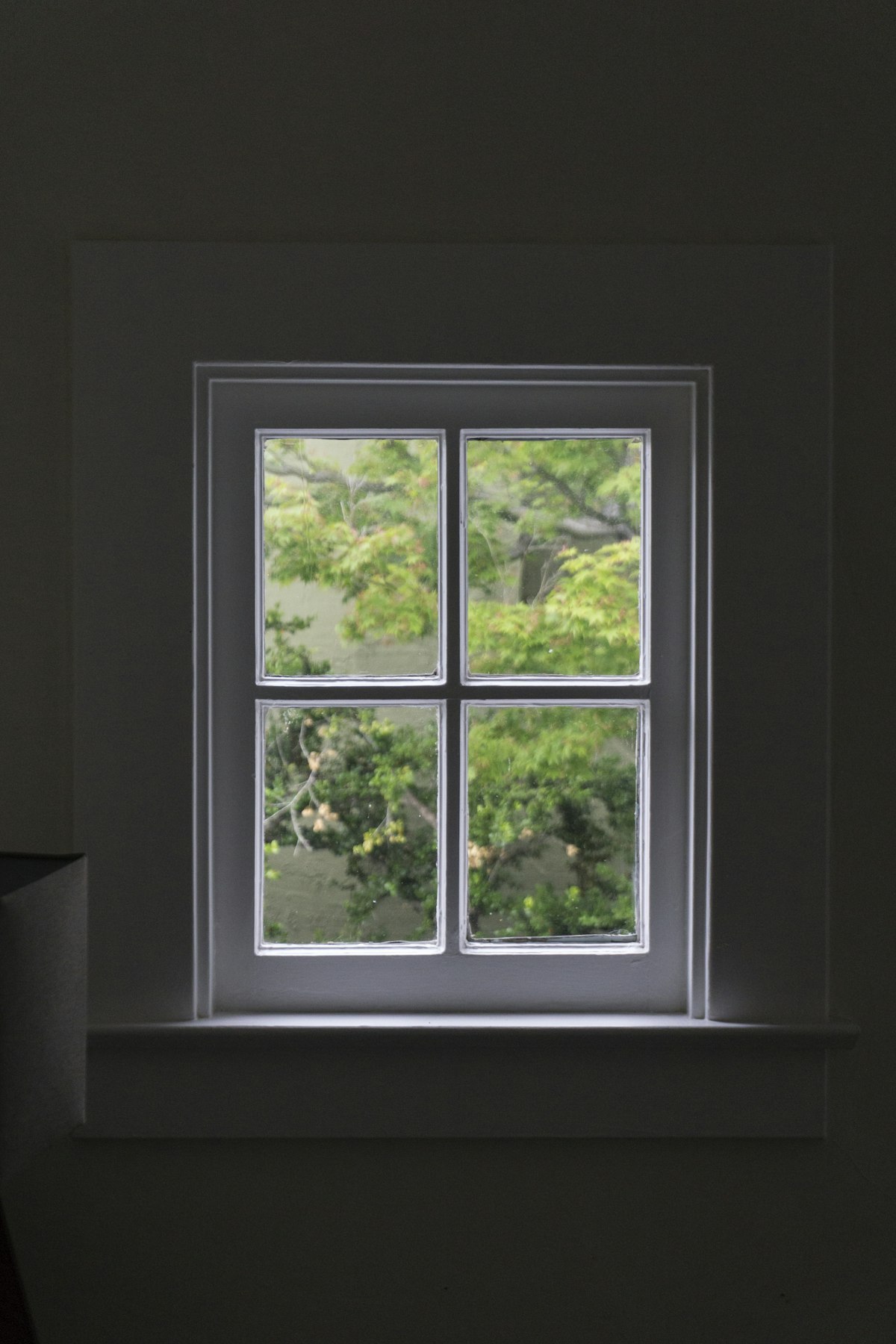
The ShowMo WinEye is a revolutionary window-mounted security camera designed for ultimate convenience. Unlike traditional outdoor cameras that require drilling, wiring, and often complex installation that might draw attention or raise privacy questions, the WinEye mounts effortlessly to the inside of your window. This allows it to monitor the exterior of your property – your porch, driveway, and immediate surroundings – without physically being outdoors or requiring any permanent modifications to your home. Its no-drill installation means you can adjust its position easily to ensure your legal security camera placement is always perfect, focusing precisely on your property.
But convenience doesn’t mean sacrificing capability. The WinEye boasts stunning 4K night vision, ensuring crystal-clear footage even in the darkest hours, vital for identifying intruders or capturing evidence. Its discreet design allows for responsible monitoring, giving you peace of mind while staying within the bounds of privacy laws by clearly operating from your private property looking out. With the ShowMo WinEye, you get powerful outdoor security from an indoor perspective, simplifying the discussion of “what can you record with a security camera” by always operating from inside your home.
Protect your home intelligently and legally. See ShowMo WinEye →
Frequently Asked Questions About Security Camera Privacy Laws
Q1: Can my neighbor sue me if my security camera records their property?
A: Yes, they potentially can, especially if your camera is intentionally and directly recording areas of their property where they have a reasonable expectation of privacy (e.g., peering into their windows, backyard). While an accidental capture as part of a wider field of view might not lead to a successful lawsuit, intentional and continuous surveillance can be considered invasion of privacy or harassment. It’s always best to aim your camera solely at your own property.
Q2: Do I need to put up a sign saying I have security cameras?
A: For residential home security cameras, there is generally no legal requirement to post signs indicating surveillance, especially when cameras are pointed at your own property or public spaces. However, displaying a sign can serve as a deterrent to potential criminals and can be a good practice for transparency with neighbors, even if not legally mandated. For indoor cameras in rental properties or workplaces, disclosure rules may apply.
Q3: What if a delivery driver or service person complains about being recorded?
A: When individuals are on your private property performing a service, especially at your front door or visible from your property line, they generally do not have a reasonable expectation of privacy regarding video recording. You are typically within your rights to record them in such public-facing areas of your property. However, if your camera also records audio, and your state requires “all-party consent” for audio recording, then recording their conversation without their knowledge could be problematic. It’s almost always safer to disable audio on outdoor cameras.
Conclusion: Staying Secure and Compliant in 2026
As we move towards 2026, the landscape of home security and privacy will continue to evolve. Understanding security camera privacy laws is not just about avoiding legal trouble; it’s about being a responsible homeowner and neighbor. By focusing your cameras on your own property, disabling audio recording features for outdoor use, and being mindful of your neighbors’ privacy, you can effectively secure your home without infringing on others’ rights.
Remember that local laws can vary significantly, so always perform due diligence on your specific city and state regulations. Tools like the ShowMo WinEye, with its ingenious window-mounted design, offer an excellent way to achieve robust external surveillance while simplifying the complexities of legal security camera placement. By being informed and installing your system thoughtfully, you can enjoy the peace of mind that modern home security provides, confidently and compliantly.