
How to Choose the Right Security Camera Lens for Your Property Size
Securing your home or business effectively hinges on more than just installing security cameras; it’s about choosing the right lens for security camera specifically tailored to your property’s unique dimensions. A common mistake many make is assuming one camera fits all scenarios. However, the wrong lens can lead to blind spots, distorted images, or a lack of crucial detail, rendering your security system less effective. This comprehensive guide will walk you through the nuances of selecting the optimal security camera lens property size relationship, ensuring you capture exactly what you need.
Understanding lens types and their implications is paramount for a robust security setup. Whether you have a sprawling estate or a compact urban dwelling, the lens determines your camera’s field of view (FOV) and image clarity. In this article, we’ll explore how to match lens characteristics to your specific needs, helping you make an informed decision for superior surveillance in 2026 and beyond.
Understanding Lens Types: Fixed vs. Varifocal vs. Motorized
Before diving into property sizes, let’s clarify the fundamental types of lenses available for security cameras:
Fixed Lenses
Fixed lenses, as their name suggests, have a permanent focal length and cannot be adjusted. This means they offer a consistent field of view once installed. They are generally more affordable and simpler to set up, making them a good choice for areas with predictable monitoring needs. For instance, a fixed lens might be ideal for monitoring a single doorway or a small, enclosed yard where the camera’s position is static and the area of interest is well-defined.
- Pros: Cost-effective, simpler installation, generally better low-light performance (due to larger aperture).
- Cons: Inflexible field of view, cannot zoom in or out after installation.
Varifocal Lenses
Varifocal lenses offer the flexibility to manually adjust the focal length and, consequently, the field of view and zoom level. This adjustment is typically done during installation. This makes them highly versatile for spaces where you need to fine-tune the surveillance area without replacing the camera. If you’re unsure about the exact coverage needed or want the ability to slightly tweak the view, a varifocal lens is a great option. For example, you could adjust it to cover a specific gate or a wider section of your driveway after installation.
- Pros: Adjustable field of view and zoom, greater flexibility during installation, can adapt to changing surveillance needs.
- Cons: Requires manual adjustment, more expensive than fixed lenses.
Motorized Varifocal (Zoom) Lenses
Taking flexibility a step further, motorized varifocal lenses (often simply called motorized zoom lenses) allow you to remotely adjust the focal length using a software interface or a joystick. This is incredibly convenient, especially for cameras mounted in hard-to-reach locations or when you need to dynamically change your focus. These lenses are often found in PTZ (Pan-Tilt-Zoom) cameras, providing unparalleled control over your surveillance. Imagine being able to zoom in on a suspicious vehicle from your smartphone, even if the camera is 30 feet up a pole.
- Pros: Remote adjustment of field of view and zoom, ideal for dynamic monitoring and hard-to-reach cameras, excellent for detailed observation.
- Cons: Most expensive option, more complex technology.
Matching Lens Focal Length to Property Size: Wide vs. Narrow Lens Camera 2026
The core of choosing the right lens for security camera relies on understanding how focal length impacts your field of view and the level of detail you capture. This is where the wide vs narrow lens camera 2026 discussion becomes crucial.
- Shorter Focal Length (e.g., 2.8mm, 4mm): Wide-Angle Lenses
These lenses provide a wider field of view, meaning they cover a larger area. However, the trade-off is that objects further away will appear smaller and less detailed. They are excellent for general overview surveillance, such as monitoring a large backyard, a parking lot, or the interior of a spacious room. Think of these as your “big picture” lenses. - Longer Focal Length (e.g., 8mm, 12mm, 25mm+): Narrow-Angle (Telephoto) Lenses
These lenses offer a narrower field of view but allow for significant zoom, making distant objects appear larger and clearer. They are ideal for monitoring specific points of interest, like a distant gate entrance, a specific vehicle, or valuable items within a larger space. These are your “detail-oriented” lenses.
Here’s a practical guide based on common property sizes:
Small to Medium Properties (e.g., small home, apartment, small business entrance)
For these areas, a single camera with a fixed or varifocal lens in the 2.8mm to 6mm range often suffices. A 2.8mm lens will give you a very wide view, suitable for covering an entire compact yard or a room. A 4mm or 6mm lens offers a slightly narrower but more detailed view, ideal for doorways, porches, or cash registers. The goal here is to cover the entire area of interest without excessive distortion.
Medium to Large Properties (e.g., suburban home, medium-sized parking lot, warehouse interior)
As properties grow, you might need a combination of lenses or more versatile options. Varifocal lenses (e.g., 2.8-12mm or 5-25mm) are extremely useful here, allowing you to fine-tune the coverage during installation. For perimeter surveillance of a larger yard, a few strategically placed wide-angle cameras (4mm-6mm) might provide the general overview, while a longer focal length camera (8mm-12mm) could focus on a distant gate or a particular access point that requires more detail.
Very Large or Remote Properties (e.g., large industrial site, farm, long driveway)
This is where longer focal lengths and motorized zoom lenses truly shine. For monitoring expansive areas or distant specific targets, cameras with 12mm, 25mm, or even higher focal lengths are necessary. Motorized varifocal cameras are invaluable for their ability to remotely adjust focus and zoom, letting you scrutinize activity at significant distances. Often, a network of cameras with varied focal lengths will be necessary – a few wide-angle for overall situational awareness and several telephoto lenses for detailed monitoring of critical access points or distant perimeters.
Here’s a comparison table to help visualize the impact of different focal lengths:
| Focal Length (mm) | Approximate Field of View (Horizontal) | Best Use Case | Detail Level |
|---|---|---|---|
| 2.8mm | ~105-110° | Small room, wide house perimeter, general overview of small yard | Low detail for distant objects, good for close-up overview |
| 4mm | ~80-90° | Standard room, front porch, backyard, small driveway | Moderate detail at medium distances |
| 6mm | ~50-60° | Long hallway, narrow driveway, specific entrance | Good detail at medium to longer distances |
| 8mm | ~40-45° | Gate entrance, specific vehicle, small section of a fence line | High detail for objects at longer distances |
| 12mm | ~25-30° | Distant gate, long driveway section, license plate capture at moderate distance | Very high detail at longer distances |
| 25mm+ | <15° | Extreme long-range monitoring, specific asset protection, distant license plate/facial recognition | Exceptional detail at considerable distances |
Additional Considerations for Lens Selection
Beyond focal length, a few other factors play into making the ideal choice for your security camera lens property size assessment:
Lighting Conditions
The aperture (f-number) of a lens indicates how much light it lets in. Lower f-numbers (e.g., f/1.2) mean a wider aperture, allowing more light to reach the sensor, which is crucial for good performance in low-light conditions. While fixed lenses often have better low-light performance due to simpler optics, some high-end varifocal and motorized lenses also offer excellent low-light capabilities.
Resolution of the Camera
A high-resolution camera (e.g., 4K) paired with the right lens can capture incredible detail. However, a high-resolution camera with a lens that’s too wide for its application might still struggle to capture identifiable details at a distance. Conversely, a low-resolution camera with a telephoto lens might achieve zoom but lack the pixel density to make the zoomed image truly useful. Always match your lens to your camera’s resolution capabilities.
Mounting Height and Angle
The height and angle at which your camera is mounted will significantly impact the effective coverage of any lens. A wide-angle lens mounted very high might capture a vast area but lack ground-level detail. A telephoto lens positioned too low might have its view obstructed or create an unhelpfully narrow “tunnel vision.” Plan your camera placements carefully in conjunction with lens choice.
Specific Monitoring Objectives
Are you trying to identify faces? Read license plates? Or simply monitor general activity? Your objective dictates the detail level required, which in turn guides your lens selection. For identification, you’ll generally need a narrower field of view (longer focal length) on your right lens security camera to ensure adequate pixel density on targets.
Product Spotlight: ShowMo MileFlask for Extensive Coverage
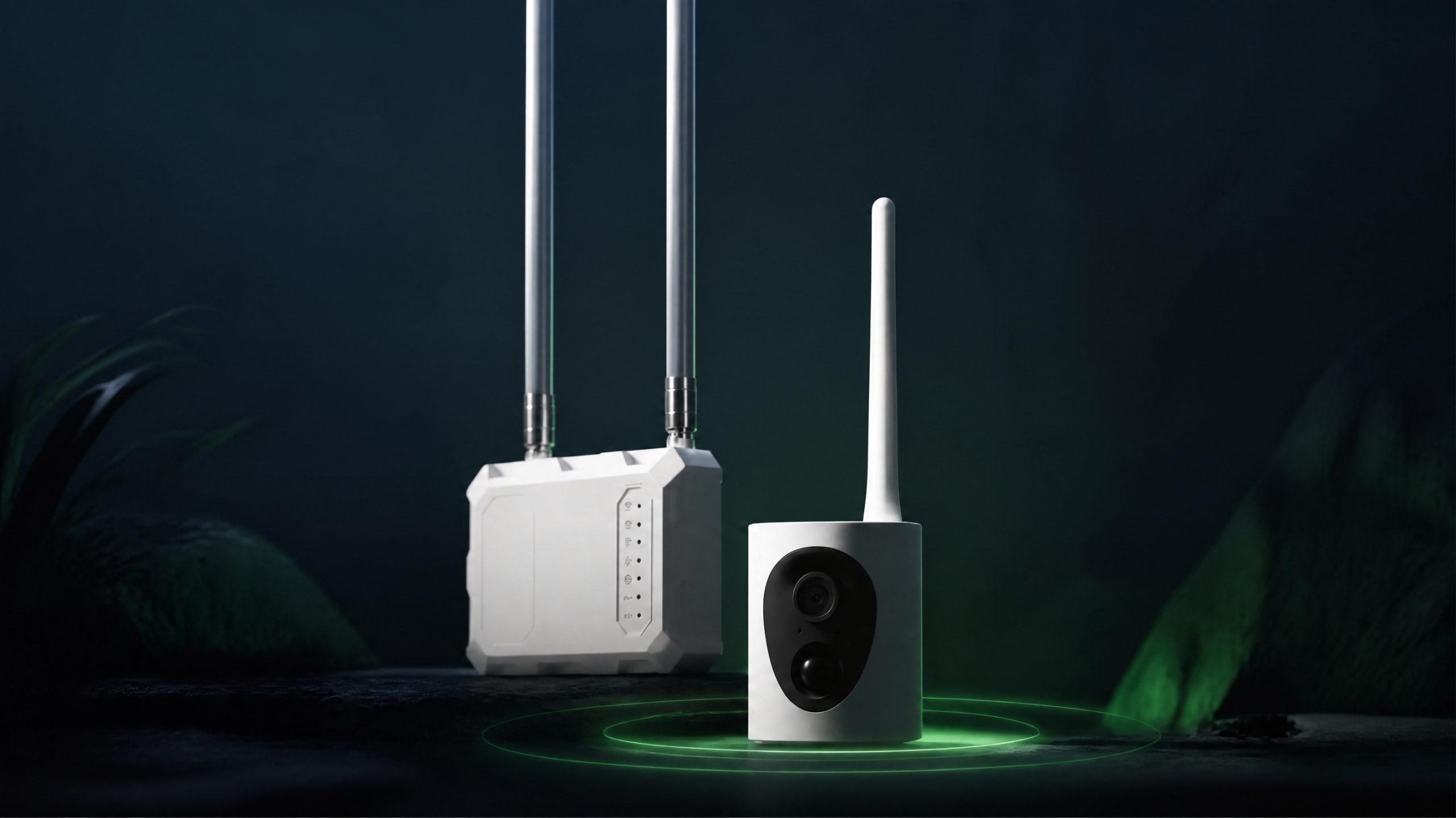
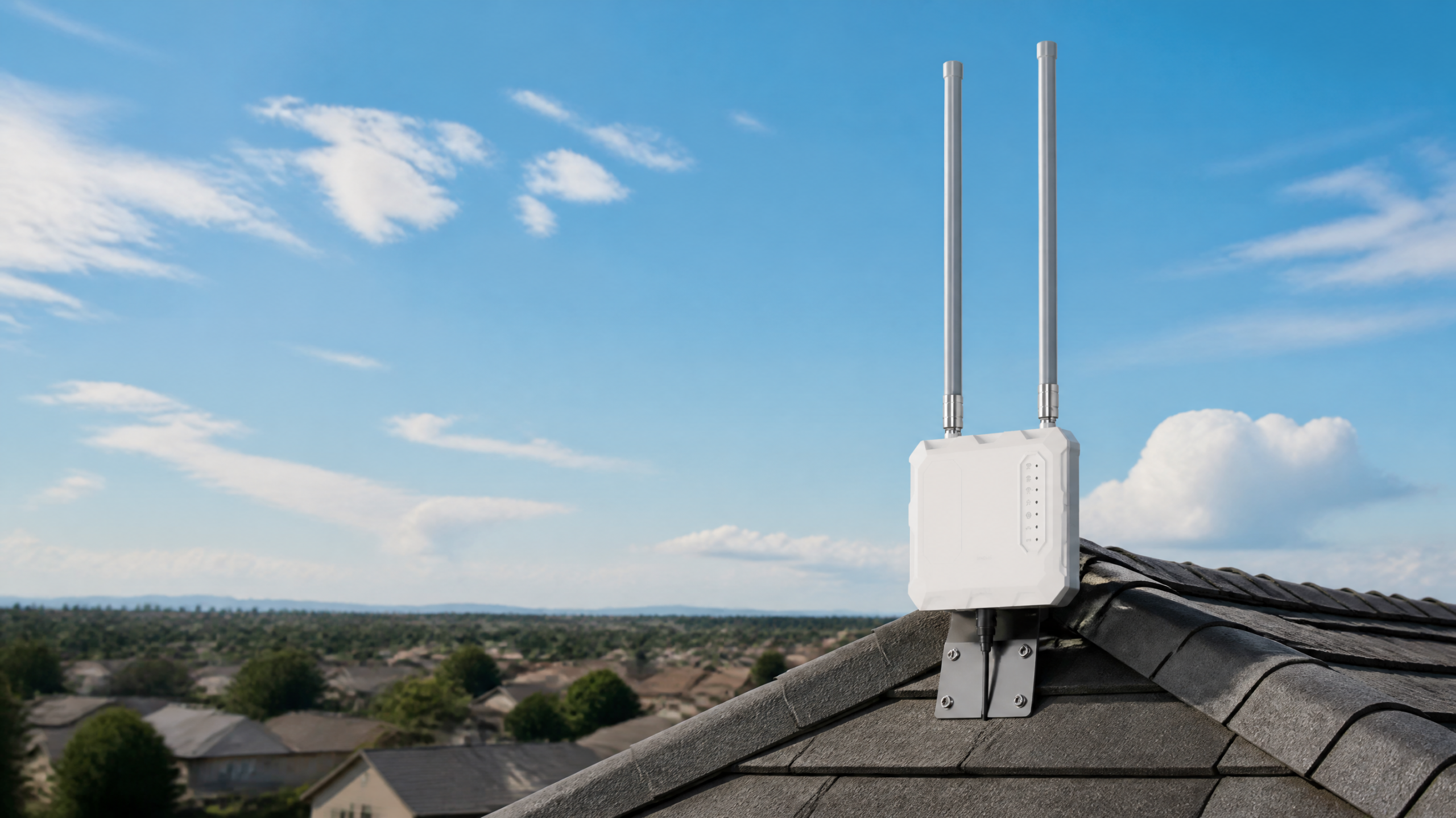
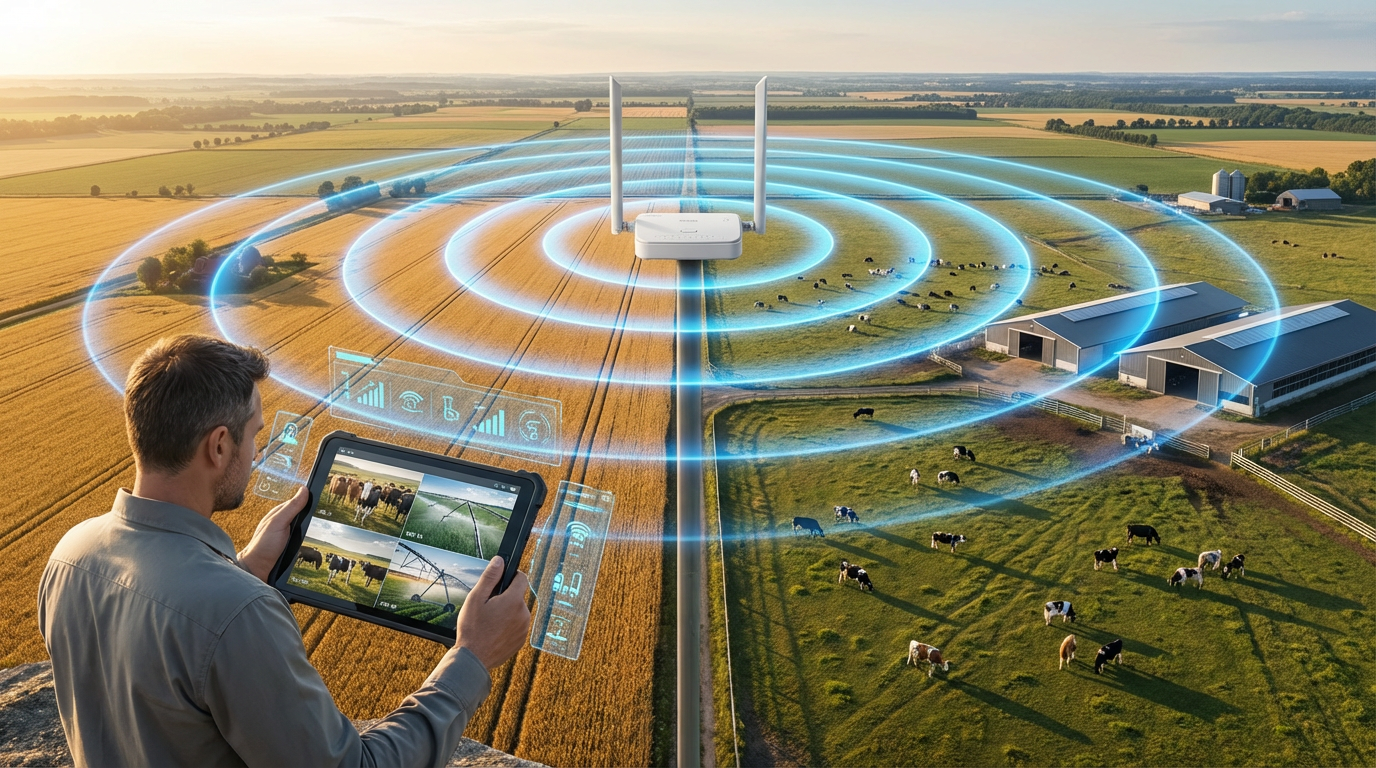
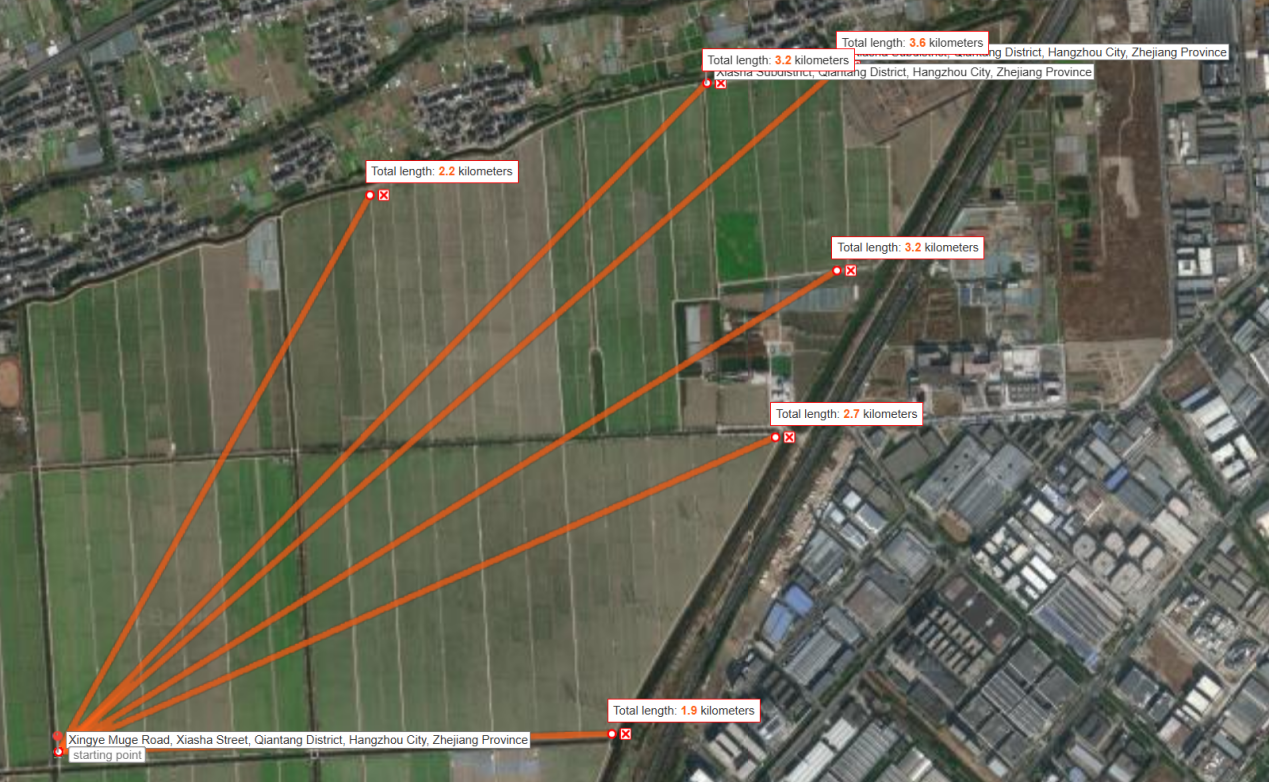
When dealing with larger properties or remote monitoring needs, the typical Wi-Fi security camera often falls short due to limited range and potential monthly fees. This is where innovative solutions like the ShowMo MileFlask come into play. The ShowMo MileFlask is a game-changer for anyone seeking robust, long-range surveillance without the hassle of recurring costs. This Wi-Fi HaLow security camera boasts an impressive 1-mile wireless range, making it perfectly suited for expansive properties like farms, large commercial lots, or homes with distant outbuildings. Imagine having a single camera that can monitor your main residence, a barn 800 yards away, and a remote gate, all while delivering crystal-clear footage back to your central hub, without ever paying a monthly subscription. It’s a powerful tool for achieving comprehensive coverage, especially when paired with an appropriate lens for its intended distant target. For truly extensive outdoor surveillance, the ShowMo MileFlask eliminates range anxiety and offers a financially smart, long-term security solution.
FAQ: Security Camera Lenses
Q: Can I change the lens on my security camera?
A: It depends on the camera. Some security cameras (especially higher-end models) have interchangeable lenses (C/CS mount), allowing you to swap them out based on your needs. However, most consumer-grade cameras come with fixed lenses that cannot be removed or replaced. Check your camera’s specifications or manufacturer’s guide.
Q: What does “field of view” mean in security cameras?
A: Field of view (FOV) refers to the entire area that a camera can see and record. It’s directly influenced by the lens’s focal length. A shorter focal length equals a wider FOV, covering more ground but showing less detail on distant objects. A longer focal length provides a narrower FOV but significantly more detail on objects further away – a key part of the wide vs narrow lens camera 2026 consideration.
Q: Is a wider lens always better for security?
A: Not necessarily. While a wider lens covers more area, it can make distant objects appear too small to discern important details like faces or license plates. For general situational awareness over a large space, a wide lens is good. But for specific identification purposes or monitoring distant targets, a narrower, telephoto lens is often more effective. The “best” lens depends entirely on your specific monitoring goals and the dimensions of your security camera lens property size and layout.
Conclusion
Choosing the right lens for security camera systems is a critical step that directly impacts the effectiveness of your surveillance. Neglecting this crucial decision can leave you with blind spots, blurry images, or a lack of the detail necessary to identify threats. By carefully considering your property size, specific monitoring objectives, and the unique characteristics of fixed, varifocal, and motorized lenses, you can tailor a security solution that provides optimal coverage and clarity.
Whether you need a broad overview of a sprawling estate or pinpoint detail on a distant entryway, understanding the relationship between focal length and field of view is key. For those with extensive outdoor monitoring needs, solutions like the ShowMo MileFlask offer invaluable range and flexibility, ensuring your property remains secure across vast distances without recurring costs. By making an informed choice, you’ll ensure your security cameras are not just present, but truly effective, providing peace of mind for years to come.
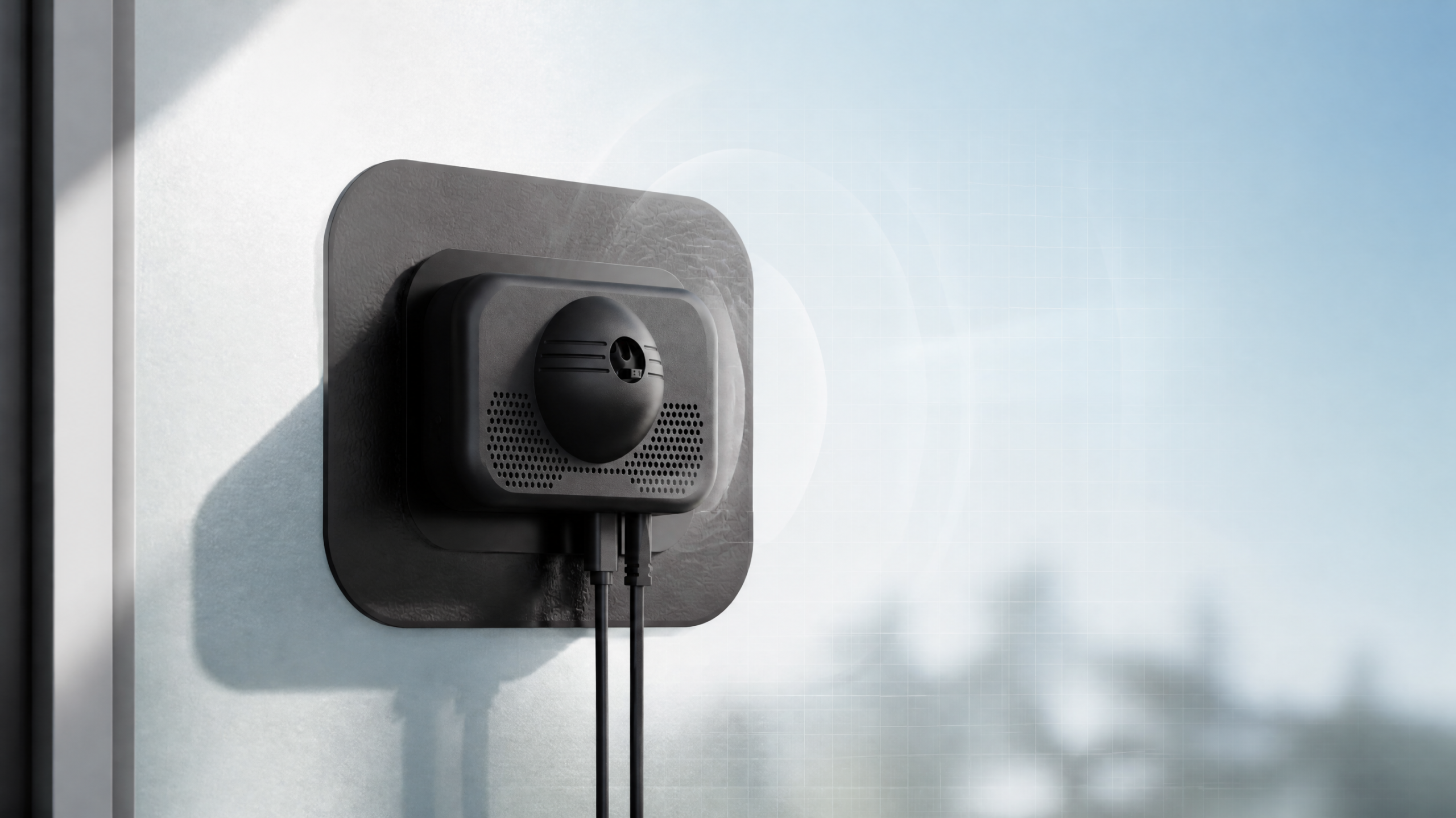
Looking for a window-mounted camera that requires zero drilling? The ShowMo WinEye mounts inside your window in seconds — no subscriptions, no fees.