
“`html
HOA Security Camera Rules: What You Can and Cannot Install in 2026
Living in a community governed by a Homeowners Association (HOA) offers many perks, from well-maintained common areas to enhanced property values. However, these benefits often come with a set of rules and regulations designed to maintain community aesthetics and harmony. When it comes to personal property and security, one area that frequently raises questions is the installation of security cameras. As technology evolves and homeowner concerns about safety grow, understanding HOA security camera rules and what’s permissible in 2026 is more crucial than ever.
This comprehensive guide will walk you through the nuances of installing security cameras within an HOA-governed community, helping you navigate potential restrictions and find compliant solutions. We’ll cover federal and state laws, common HOA policies, and provide practical tips to ensure your security setup is both effective and entirely within the rules.
The Legal Landscape: Federal, State, and HOA Regulations
Before even looking at camera models, it’s vital to understand the multi-layered legal framework that dictates where and how you can install security cameras. This framework involves federal laws, state statutes, and your specific HOA’s covenants, conditions, and restrictions (CC&Rs).
Federal and State Privacy Laws
- Expectation of Privacy: Generally, there is no reasonable expectation of privacy in areas visible from a public street or another person’s property. However, this doesn’t grant carte blanche to record anything.
- Audio Recording: Many states have “two-party consent” laws for audio recording, meaning you cannot legally record conversations without the knowledge and consent of all parties involved. Most security cameras with audio capabilities should be used with caution, and often, disabling the audio function is the safest bet to avoid legal issues, especially if they might pick up neighbor’s conversations.
- Peeping Tom Laws: These laws prohibit recording individuals in places where they have a reasonable expectation of privacy, such as inside their homes or private backyards, without their consent. Your camera should never intentionally point into a neighbor’s windows or private spaces.
While federal law provides a baseline, state laws can add more specific stipulations regarding surveillance. Always check your state’s specific laws regarding recording and privacy before installing any camera system.
Understanding HOA CC&Rs and Bylaws
Your HOA’s governing documents (CC&Rs, bylaws, and rules & regulations) are the first place to look for specific prohibitions or allowances. These documents are legally binding and often dictate:
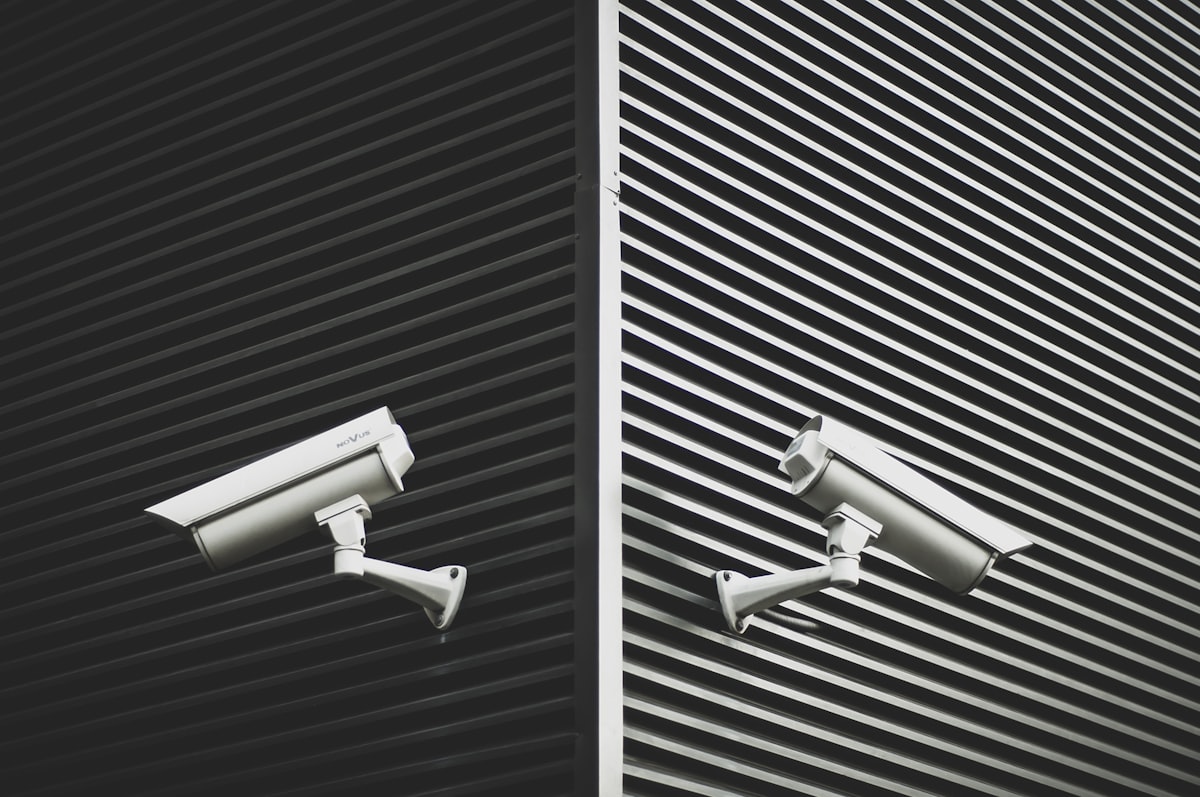
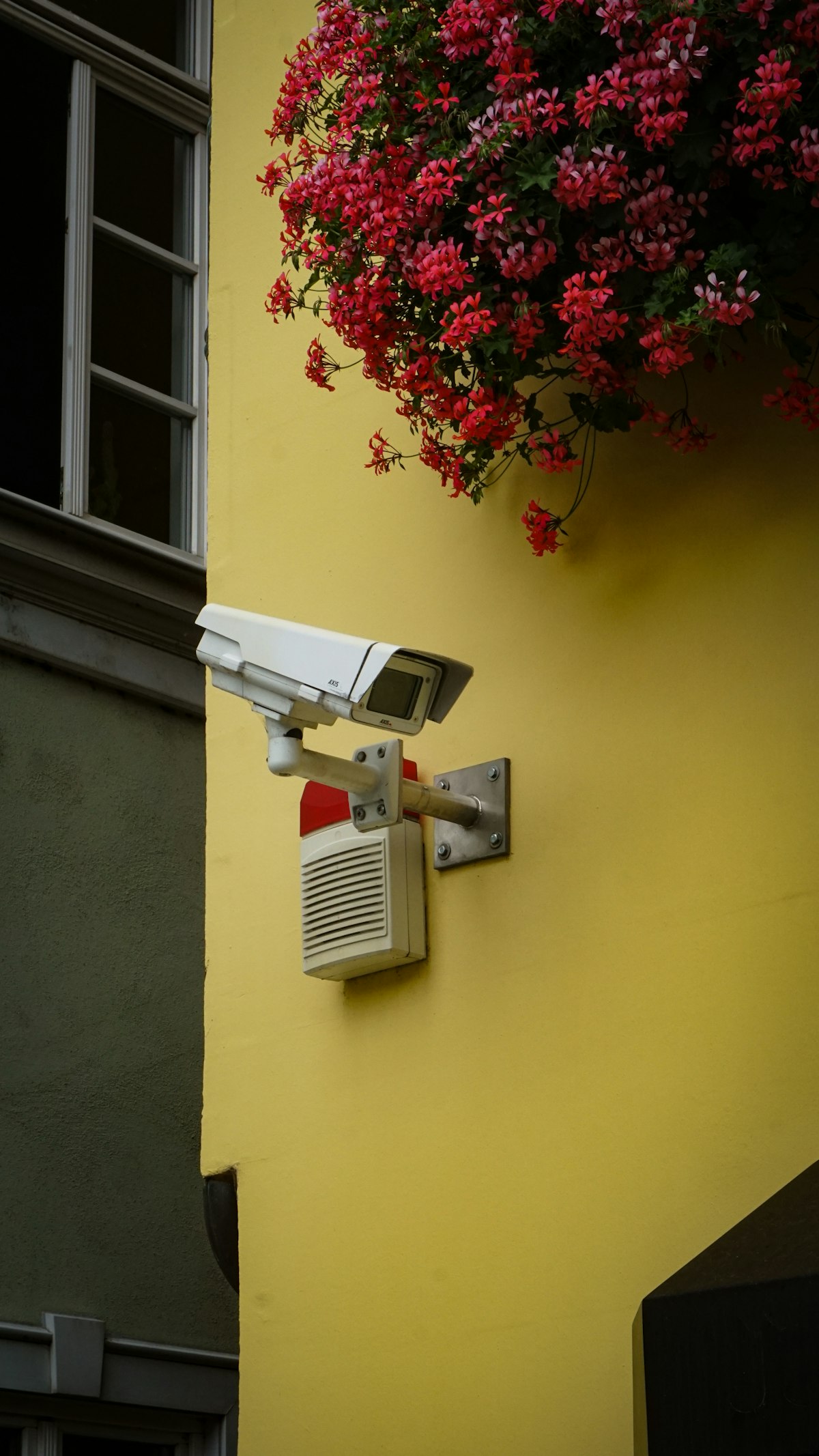
- Exterior Alterations: Many HOAs classify external security cameras as “exterior alterations” requiring prior approval. This means aesthetic concerns like visibility, color, and mounting method can be subject to review.
- Placement Restrictions: Some HOAs prohibit cameras from being permanently affixed to common property or even certain parts of your own property if they are deemed to intrude on common areas or neighbor’s privacy.
- Size and Type: There might be restrictions on the size, color, or even the type of cameras allowed to maintain a uniform appearance. Large, intrusive cameras might be prohibited.
- Notification Requirements: Some HOAs may require you to notify them of your intent to install cameras, even if no formal approval is needed.
It’s vital to obtain and thoroughly read your HOA’s specific documents. If anything is unclear, contacting the HOA board or management company directly for clarification is always the best course of action. Failing to comply can result in fines, forced removal of the cameras, or even legal action.
Common HOA Security Camera Restrictions and How to Address Them
Navigating security camera HOA restrictions can be tricky. Here are some of the most common issues homeowners face and practical ways to overcome them:
1. Aesthetic Impact and Visible Placement
Many HOAs prioritize community aesthetics. Large, unsightly cameras prominently displayed can be a major point of contention.
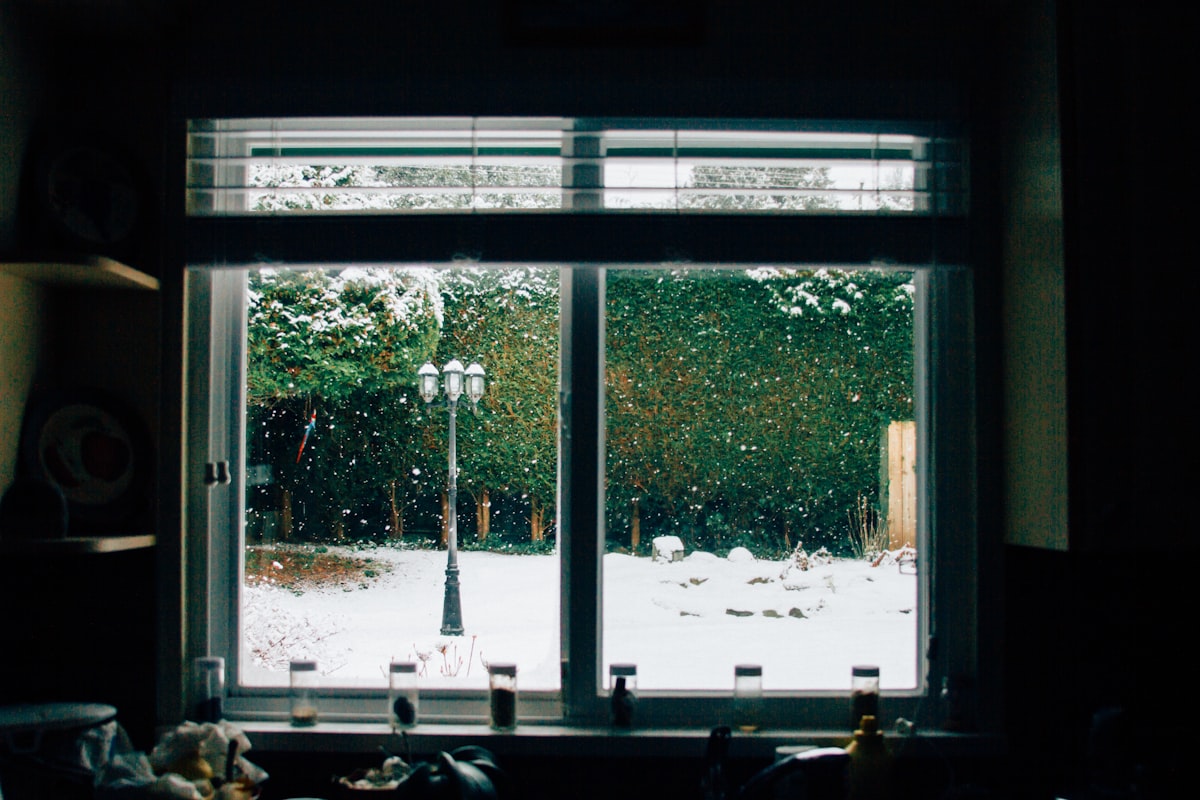
- Solution: Opt for discreet, compact cameras. Consider models that blend with the exterior paint or architectural style of your home. Window-mounted cameras offer an excellent alternative, as they are installed inside your home but provide outdoor surveillance without altering the exterior.
2. Drilling into Exterior Walls or Common Property
Permanent installations that require drilling into siding, stucco, or brick are frequently prohibited without explicit HOA approval. This becomes even more restrictive if you live in a condo or townhouse with shared walls or common property.
- Solution: Look for no-drill installation options. Window-mounted cameras, magnetic mounts, or cameras with suction cups can provide effective surveillance without damaging your property’s exterior. This completely bypasses the need for exterior alteration approvals.
3. Privacy Concerns for Neighbors and Common Areas
Pointing a camera directly at a neighbor’s property, windows, or common areas like playgrounds and pools is a quick way to violate both HOA rules and privacy laws.
- Solution: Adjust camera angles carefully. Most modern security cameras offer customizable activity zones or privacy zones within their software. Utilize these features to block out sensitive areas from recording. Focus your cameras primarily on your own property, entrance, and immediate surroundings.
4. Wiring and Power Requirements
Running visible wires across exterior walls can be deemed unsightly by the HOA, and complex electrical installations might require permits or professional help that HOAs want to approve.
- Solution: Battery-powered wireless cameras can eliminate the need for exterior wiring. For cameras requiring power, choose models with discreet cabling or consider internal power sources like window-mounted cameras that plug into an indoor outlet.
Comparison Table: Traditional vs. HOA-Compliant Camera Installation Scenarios
| Feature/Scenario | Traditional Outdoor Camera Installation (High HOA Scrutiny) | HOA-Compliant, No-Drill Camera (Easier HOA Acceptance) |
|---|---|---|
| Exterior Alteration | Requires drilling, mounting brackets, visible wires. | No drilling, internal mounting (e.g., window-mounted), no exterior wires. |
| Aesthetic Impact | Large, visible camera housing, potential for color clashes. | Discreet, installed internally, blends into window frame. |
| HOA Approval Process | Often requires formal architectural review application. | Less likely to require approval, as it’s an internal modification. |
| Privacy Concerns | Can easily point into neighbor’s yards/windows if not careful. | Easier to adjust internal angle; privacy zones often sufficient. |
| Installation Difficulty | Can be complex, potentially needs professional help, drilling. | Simple DIY, often just suction or adhesive, plugs into outlet. |
| Power Source | Often requires running power cable to exterior. | Plugs into standard indoor outlet. |
Tips for Ensuring HOA Compliant Security Camera Installation
To avoid potential conflicts and ensure your security camera setup is fully compliant, follow these steps:
- Read Your HOA Documents Thoroughly: Find the sections pertaining to exterior modifications, privacy, and common areas. Pay close attention to any specific clauses about cameras.
- Communicate with Your HOA: If unsure, proactively contact your HOA board or management. Describe your proposed setup, including the type of camera, its placement, and how it will be powered. Getting written approval or confirmation can save headaches later.
- Prioritize Your Property: Focus your cameras on your own home, porch, driveway, and property lines. Avoid pointing them directly at neighbors’ properties or common areas.
- Look for Discreet and Non-Invasive Solutions: Technology has advanced, and many excellent cameras offer minimal visual impact and require no permanent alterations.
- Utilize Privacy Features: Most modern cameras allow you to set “privacy zones” or “motion detection zones” that prevent recording in specific areas of the camera’s field of view.
- Consider Indoor-to-Outdoor Viewing: Cameras designed to be placed inside a window but monitor outside are becoming increasingly popular for HOA communities because they address many common restrictions.
Product Spotlight: ShowMo WinEye – The Ultimate HOA-Friendly Security Camera
For homeowners grappling with strict HOA compliant security camera rules, the ShowMo WinEye offers a revolutionary solution. Designed specifically to overcome common HOA restrictions, the WinEye is a game-changer for discreet and effective home security.
The ShowMo WinEye is a window-mounted security camera, meaning it installs completely inside your home, typically against an interior window pane. This ingenious design immediately bypasses the most common HOA concerns:
- No Exterior Alterations: No drilling into walls, no visible mounts on your home’s exterior. The camera suctions firmly to the inside of your window.
- Invisible from Outside: From the street, your camera is virtually undetectable, preserving your home’s aesthetic appeal.
- Easy DIY Installation: Simply attach it to a clean window, plug it into an indoor outlet, and connect it to your Wi-Fi. No professional installation required.
- Powerful Outdoor Surveillance: Despite being indoors, the WinEye records stunning 4K footage of your outdoor space, providing crystal-clear detail day and night.
- Advanced Night Vision: Featuring 4K night vision, it captures vivid, detailed images even in extreme low-light conditions, far surpassing standard infrared night vision that can suffer from window glare.
- Motion Detection & Alerts: Get instant notifications for activity outside your home, ensuring you’re always aware of what’s happening.
- Privacy-Focused: As it’s positioned inside your home, you have complete control over its angle and can easily adjust it to avoid recording private neighbor spaces.
The ShowMo WinEye is the ideal choice for HOA residents seeking robust outdoor security without the headache of architectural review boards or violations. It respects community guidelines while delivering top-tier surveillance capabilities.
FAQ: HOA Security Cameras
Q1: Can my HOA force me to remove a security camera I already installed?
A1: Yes, if the camera violates your HOA’s established and legally enforceable CC&Rs, bylaws, or rules and regulations. This is why it’s crucial to understand the rules before installation. They typically must provide notice and an opportunity to cure the violation before taking enforcement action.
Q2: What should I do if my neighbor’s camera points at my property?
A2: First, try to speak directly and amicably with your neighbor to express your concerns. If that doesn’t resolve the issue, review your HOA’s privacy policies and potentially involve the HOA board. Depending on your state laws and the camera’s angle, it could also be a privacy violation that warrants legal consultation.
Q3: Are there any federal laws specifically about cameras in HOAs?
A3: While there isn’t a single federal law exclusively for HOA security cameras, federal laws regarding privacy (like wiretapping laws for audio recording) and discrimination could potentially apply in certain situations. The majority of regulations you need to worry about come from state laws and your specific HOA’s governing documents.
Conclusion
Securing your home shouldn’t be a battle with your HOA. By understanding HOA security camera rules, researching your community’s specific guidelines, and opting for smart, compliant solutions, you can achieve peace of mind without violating any regulations. Products like the ShowMo WinEye exemplify how innovation can meet strict aesthetic and installation requirements, proving that effective home security and harmonious community living can indeed go hand-in-hand in 2026 and beyond.
“`