

Best Solar Powered Security Camera for Remote Locations 2026
Securing remote properties has always presented a unique set of challenges. Whether it’s a sprawling farm, a secluded vacation home, a construction site miles from the nearest power outlet, or even just a detached garage at the far end of your acreage, traditional wired security systems are often impractical or prohibitively expensive to install. This is where the magic of solar powered security cameras truly shines.
In 2026, the technology has advanced significantly, offering robust solutions that are not only self-sufficient but also deliver high-definition surveillance and smart features without the need for constant human intervention or a hefty utility bill. This comprehensive guide will delve into what makes a great security camera for off-grid scenarios and highlight some of the best options available.
Why Choose a Solar Powered Security Camera for Remote Locations?
The benefits of a remote location security camera are numerous, especially when dealing with areas that lack conventional infrastructure:
- Energy Independence: The most obvious advantage. Solar panels continuously charge an onboard battery, making the camera completely self-sufficient. No power outlets needed, ever.
- Cost-Effective: Eliminates trenching costs for power lines and avoids ongoing electricity bills. Installation is often a DIY affair, saving on professional labor.
- Environmental Friendliness: Utilizes clean, renewable solar energy, reducing your carbon footprint.
- Flexibility in Placement: Install surveillance anywhere the sun shines, without being limited by power outlet proximity. This is crucial for monitoring large expanses or specific vulnerable points far from buildings.
- Quick Deployment: Often quicker and simpler to set up than wired systems, making them ideal for temporary security needs at construction sites or events.
- Deterrence: Visible cameras, regardless of power source, act as a strong deterrent against trespassers and criminals.
Key Features to Look for in an Off Grid Security Camera
When selecting the best solar powered security camera for your specific needs, several key features become paramount:
1. Reliable Power Management & Battery Life
This is the heart of any off grid security camera. Look for:
- Efficient Solar Panel: A high-wattage panel that can effectively charge the battery even on overcast days. Consider separate panels for optimal sun exposure.
- Large Battery Capacity: Measured in mAh or Wh, this determines how long the camera can operate without direct sunlight. A larger battery provides more buffer during prolonged cloudy periods.
- Low Power Consumption: Cameras designed for solar power often employ advanced power-saving modes, waking up only upon motion detection to conserve energy.
- Battery Status Monitoring: The ability to check battery levels remotely via an app is crucial for peace of mind.
2. Robust Connectivity for Remote Access
Without readily available Wi-Fi, remote locations demand alternative communication methods:
- 4G LTE/5G Cellular: Many advanced solar cameras feature built-in cellular modules, allowing them to send video and alerts over mobile networks. This requires a SIM card and a data plan, adding a monthly expense.
- Long-Range Wi-Fi (e.g., Wi-Fi HaLow): This specialized Wi-Fi technology (802.11ah) operates on lower frequencies, allowing for significantly extended ranges – often up to a mile or more – compared to standard Wi-Fi. This is an excellent solution if you have a local Wi-Fi source that can be extended, or if multiple cameras need to connect to a central hub. This eliminates cellular data plans.
- Local Storage (SD Card): Essential as a backup, or primary storage if constant real-time viewing isn’t critical.
3. High-Quality Video and Night Vision
What good is a security camera if you can’t clearly see what’s happening?
- Resolution: Aim for at least 1080p Full HD. 2K or 4K offers even greater detail, especially for zooming in.
- Night Vision:
- Infrared (IR): Standard black and white night vision. Look for cameras with powerful IR illuminators for a longer range.
- Color Night Vision (Starlight/White Light): Uses larger sensors or built-in spotlights to capture color video even in very low light conditions, providing more valuable evidence.
- Wide-Angle Lens: A broader field of view means fewer cameras are needed to cover a large area.
4. Durability and Weatherproofing
Outdoor cameras must withstand the elements:
- IP Rating: Look for an IP65, IP66, or IP67 rating, indicating resistance to dust and powerful jets of water/total immersion.
- Operating Temperature Range: Ensure the camera can function reliably in extreme heat or cold typical of your remote location.
- Robust Casing: Metal or high-grade plastic construction for physical resilience.
5. Smart Features for Enhanced Security
Modern cameras offer more than just recording video:
- PIR Motion Detection: Passive Infrared sensors reduce false alarms by detecting heat signatures from living beings.
- AI Person/Vehicle Detection: Advanced AI can differentiate between people, vehicles, and animals, further minimizing irrelevant alerts.
- Two-Way Audio: Communicate with visitors or warn off intruders remotely.
- Siren/Spotlight: Integrated deterrents to scare away unwanted guests.
- Cloud Storage: While sometimes incurring a monthly fee, cloud storage provides off-site backup for critical footage, protecting against camera tampering or theft.
Comparison Table: Connectivity Options for Remote Locations
Understanding connectivity is paramount for remote surveillance. Here’s a quick comparison:
| Connectivity Type | Pros | Cons | Best Use Case |
|---|---|---|---|
| Standard Wi-Fi (e.g., 2.4/5GHz) | No monthly fees (if router available), widely compatible | Short range (30-100 ft), susceptible to interference, requires strong local Wi-Fi signal | Remote shed very close to main building’s Wi-Fi |
| 4G LTE/5G Cellular | True independence from local Wi-Fi, excellent range (cellular network permitting) | Requires monthly data plan, potential data caps, signal strength varies | Extremely remote areas with good cellular coverage, no local Wi-Fi |
| Wi-Fi HaLow (802.11ah) | Long range (up to 1 mile+), lower power consumption, no monthly fees, penetrates obstacles better | Requires compatible HaLow gateway/router, newer technology (fewer options) | Large properties, farms, industrial sites where local Wi-Fi can be extended cost-effectively without cellular fees |
Product Spotlight: ShowMo MileFlask – The Long-Range Champion
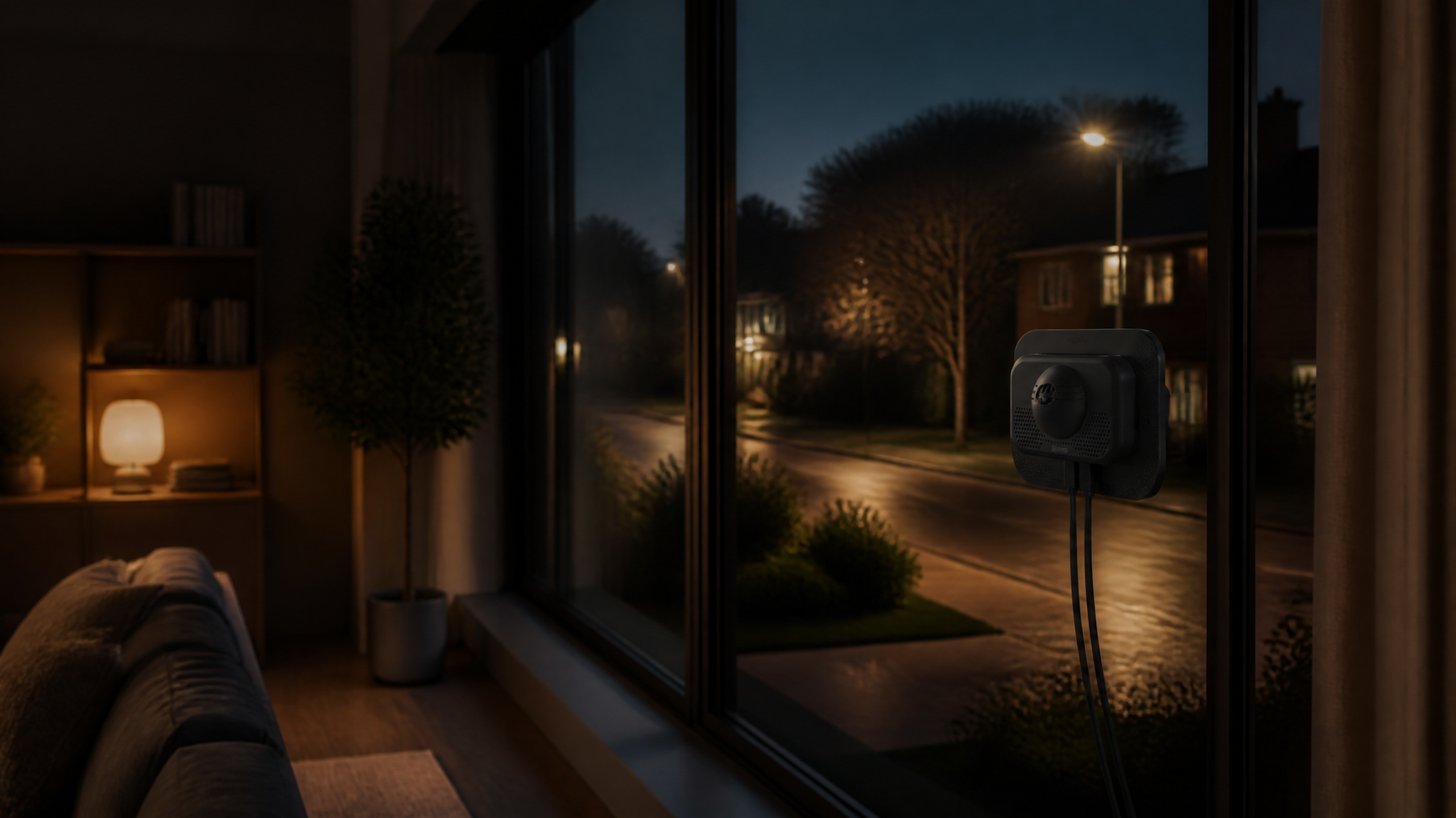
When it comes to securing truly remote locations without the hefty recurring costs of cellular data, the ShowMo MileFlask stands out as a leading contender in 2026. This isn’t just another solar camera; it’s engineered specifically to tackle the Achilles’ heel of most wireless security systems: range.
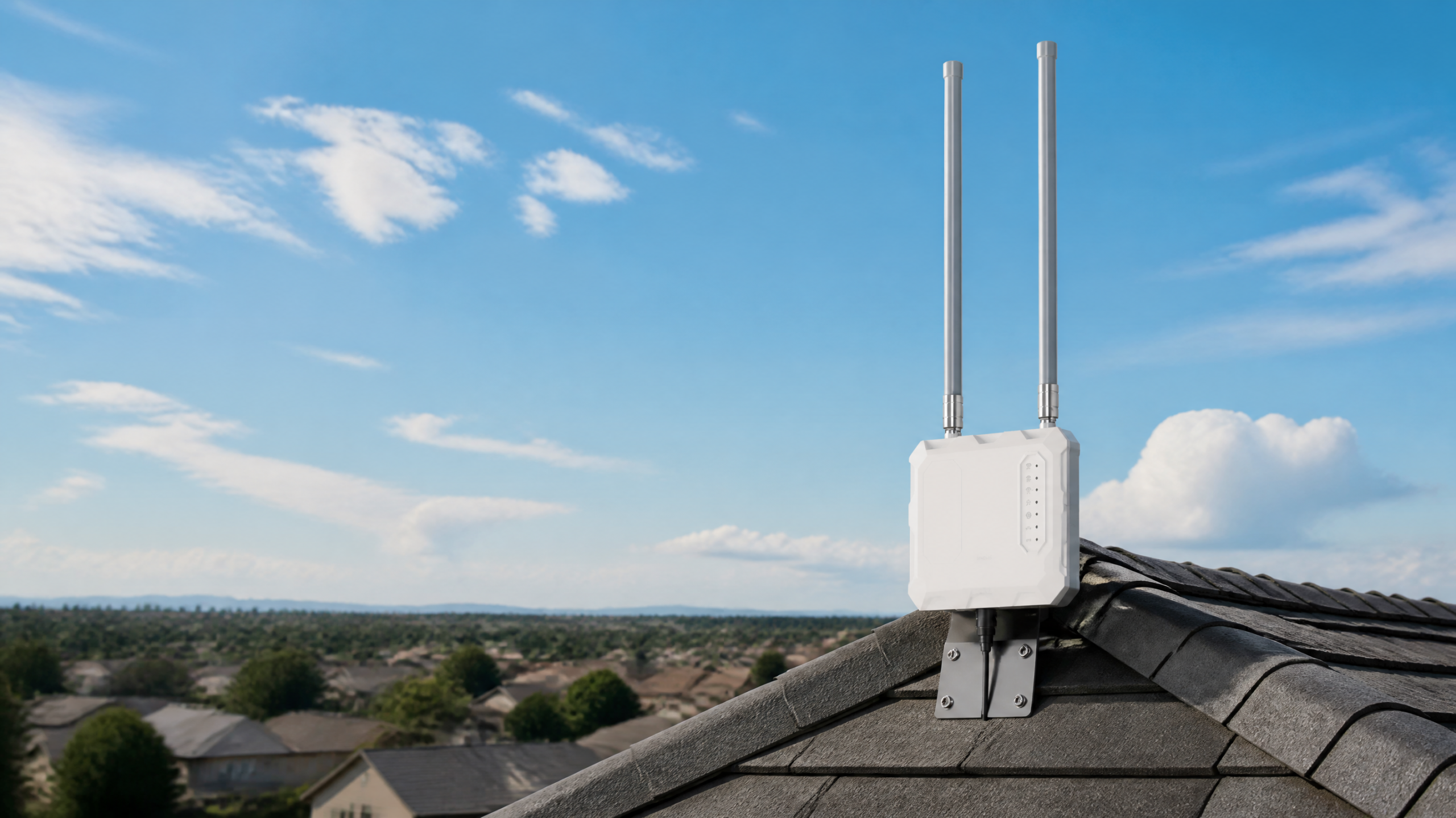
The MileFlask leverages cutting-edge Wi-Fi HaLow (802.11ah) technology, enabling it to connect wirelessly up to an incredible 1-mile range to a compatible HaLow gateway (sold separately or as part of a kit). This revolutionary capability means you can monitor areas that are well beyond the reach of standard Wi-Fi, without needing to run power cables or subscribe to expensive monthly cellular data plans. Imagine securing the furthest corner of your farm, a distant gate, or a remote fuel tank – all connected to your existing internet connection via the MileFlask gateway at your main property.
Beyond its exceptional range, the MileFlask is a fully-featured solar powered security camera:
- True Off-Grid Operation: Integrated solar panel and high-capacity battery ensure continuous, self-sufficient power, day and night.
- Crystal Clear 2K Resolution: Provides sharp, detailed video footage, crucial for identifying individuals or vehicles from a distance.
- Advanced Color Night Vision: Even in low light, the MileFlask captures color images, offering more informative surveillance compared to traditional black and white IR.
- Smart AI Human/Vehicle Detection: Minimizes false alerts by intelligently distinguishing between people, vehicles, and other motion sources.
- IP66 Weatherproof Rating: Built to endure harsh outdoor conditions, from heavy rain to extreme temperatures.
- Local SD Card Storage: Offers a secure local backup of recordings, ensuring your footage is always safe.
- No Monthly Fees: A significant advantage, as it eliminates data plan costs by utilizing its long-range Wi-Fi HaLow connection.
The ShowMo MileFlask is the ideal solution for anyone needing robust, long-range surveillance in areas where traditional Wi-Fi falls short and cellular data plans are either too expensive or unreliable. It’s a testament to how far off grid security camera technology has come, offering unparalleled independence and peace of mind.
FAQs About Solar Powered Security Cameras
Q1: How much sunlight does a solar powered security camera need to operate continuously?
A1: This depends on the camera’s power consumption and battery size. Generally, most cameras are designed to operate with a few hours of direct sunlight per day (around 4-6 hours) to keep the battery topped up. However, a larger solar panel and battery capacity will provide a longer buffer for cloudy days. Always check the manufacturer’s recommendations. Many modern systems can last several days, or even weeks, on a full charge without any sun.
Q2: Can solar powered security cameras work in winter or cold climates?
A2: Yes, most quality solar powered security cameras are designed to withstand cold temperatures, often down to -4°F to -20°F (-20°C to -30°C). However, extremely low temperatures can affect battery performance and charging efficiency. Snow accumulation on the solar panel will also hinder charging, so regular clearing may be necessary in snowy regions. Look for an IP66 or IP67 rating for robust weather protection and check the operating temperature range in the specifications.
Q3: Do solar powered security cameras require professional installation?
A3: For most standard solar powered security cameras, DIY installation is straightforward. They typically involve mounting the camera and solar panel, charging the battery initially, and connecting to your network (Wi-Fi or cellular) via a smartphone app. However, for more complex setups, such as connecting multiple cameras over a long-range Wi-Fi HaLow network or ensuring optimal solar panel angle for year-round performance, professional advice or installation might be beneficial. With products like the ShowMo MileFlask, ensuring the HaLow gateway is correctly positioned and configured is key for maximizing that impressive 1-mile range.
Conclusion
The landscape of remote security has been transformed by the rapid advancements in solar powered security camera technology. No longer are you tied to power outlets or limited by short-range wireless signals. In 2026, you have access to sophisticated, self-sufficient surveillance solutions that offer high-definition video, smart detection, and robust connectivity tailored for literally any location under the sun.
When making your choice, prioritize reliable power management, suitable connectivity (especially long-range options like Wi-Fi HaLow to avoid monthly fees), and durable, weatherproof construction. For those challenging, widespread remote areas, a product like the ShowMo MileFlask exemplifies the best in off-grid security, providing an unmatched blend of range, performance, and independence. Invest wisely, and gain the peace of mind that comes with knowing your remote property is always under a watchful, self-powered eye.