
“`html
HOA Security Camera Rules: What You Can and Cannot Install in 2026
Living in a Homeowners Association (HOA) community offers many benefits, from shared amenities to maintained common areas. However, it also comes with a set of rules and regulations designed to preserve property values and community aesthetics. When it comes to home security, these rules often extend to the installation of security cameras, leading to confusion and frustration for many homeowners. In 2026, understanding your HOA’s stance on security cameras is more crucial than ever.
As technology advances and home security becomes a top priority, many residents want to protect their property with the latest surveillance solutions. But does your desire for advanced security clash with your HOA’s bylaws? This comprehensive guide will break down the evolving landscape of HOA security camera rules, clarify common restrictions, and help you choose HOA compliant security camera options that keep your home safe without violating community guidelines. We’ll also introduce an innovative solution designed specifically to navigate these restrictions.
The Evolving Landscape of HOA Security Camera Regulations
HOA rules are not static. They can change based on new legislation, community needs, and evolving interpretations of existing covenants, conditions, and restrictions (CC&Rs). In recent years, privacy concerns and the proliferation of advanced surveillance technology have prompted many HOAs to re-evaluate their policies on external security cameras. What might have been acceptable a few years ago could now be restricted.
Generally, HOAs aim to maintain a consistent aesthetic across the community and prevent installations that are deemed unsightly, intrusive, or that infringe on neighbors’ privacy. This often translates to restrictions on visible outdoor cameras, particularly those that require drilling into exterior walls or that protrude significantly.
Key considerations for HOAs typically include:
- Aesthetic Impact: How visible is the camera? Does it detract from the community’s appearance?
- Installation Method: Does it require permanent alterations to the property’s exterior?
- Neighbor Privacy: Does the camera’s field of view capture neighboring properties or common areas unnecessarily?
- Data Storage and Access: While less common for individual homeowner cameras, HOAs may be sensitive to the implications of continuous recording.
Common HOA Security Camera Restrictions and Why They Exist
Understanding the “why” behind security camera HOA restrictions can help you navigate them more effectively. Here are some of the most common prohibitions and the reasons behind them:
- Exterior Wall Mounted Cameras:
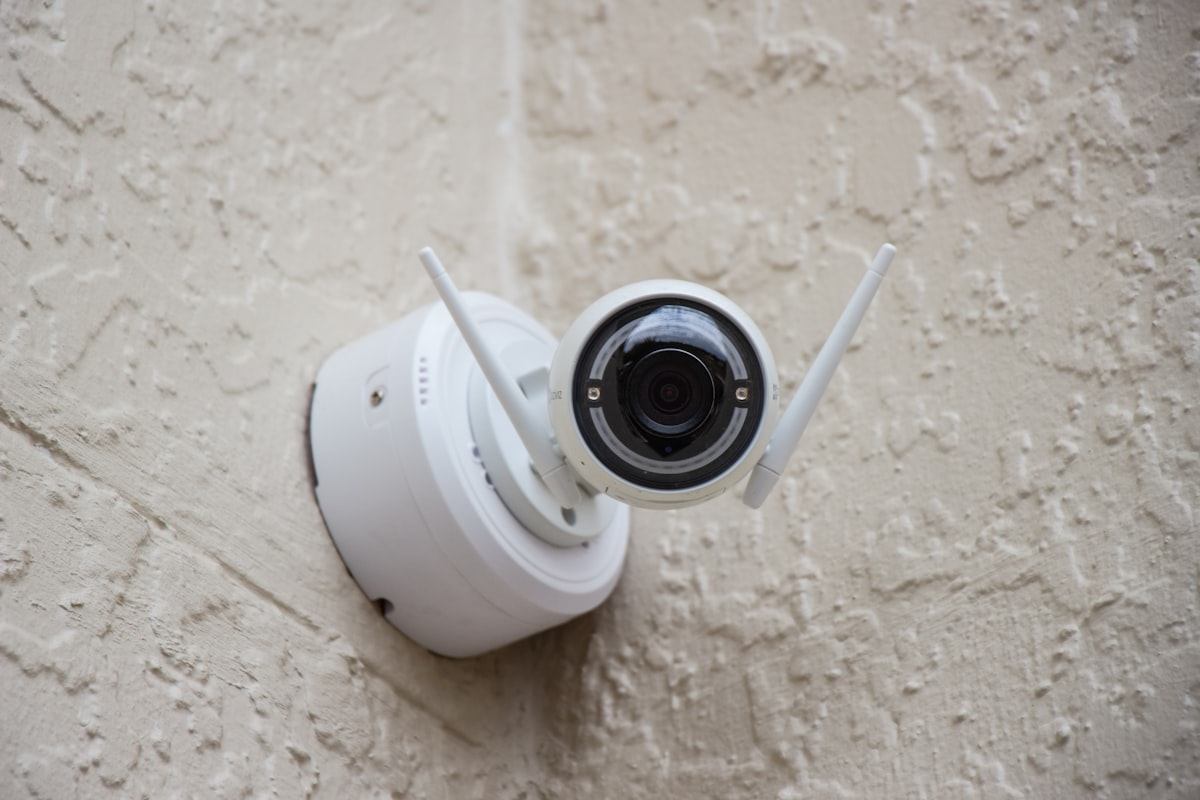
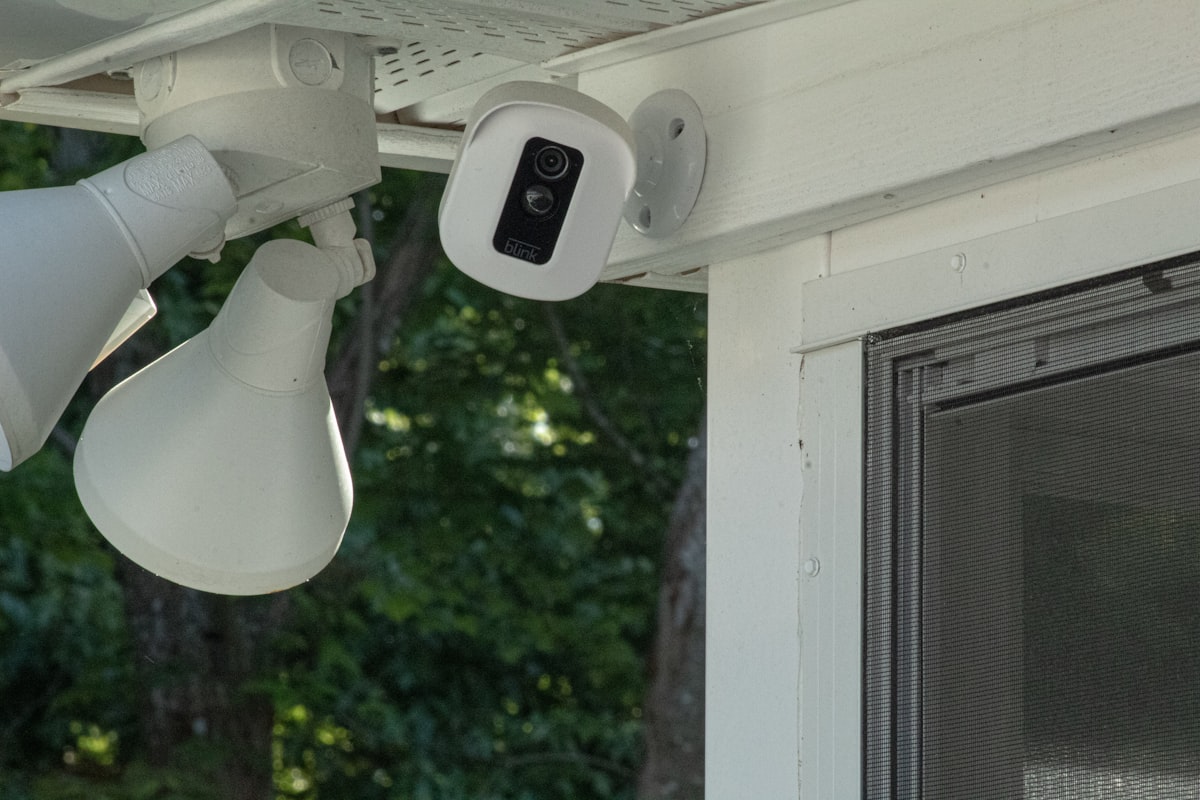
- Restrictions: Many HOAs prohibit cameras that are permanently affixed to the exterior walls of homes, especially those visible from the street or common areas.
- Reasons: To maintain architectural uniformity, prevent damage to siding/brick (especially in multi-unit dwellings), and avoid a “fortress” appearance that can lower property values.
- Cameras with Obtrusive Wiring or Conduit:
- Restrictions: Exposed wiring or conduit running along exterior walls.
- Reasons: Aesthetic concerns and potential safety hazards.
- Cameras Pointing Directly at Neighboring Property:
- Restrictions: Cameras whose primary field of view encompasses a significant portion of a neighbor’s private property (e.g., backyard, windows).
- Reasons: Privacy infringement. While specific laws vary by state, HOAs often proactively regulate this to prevent disputes among residents.
- Cameras in Common Areas:
- Restrictions: Individual homeowners are generally not permitted to install cameras that surveil common areas (e.g., parks, pools, clubhouses, shared pathways).
- Reasons: Common areas are typically under the HOA’s jurisdiction. Individual cameras could create liabilities, privacy concerns for other residents, and interfere with existing HOA-installed surveillance.
- Cameras Requiring Structural Changes:
- Restrictions: Any camera installation that necessitates drilling large holes, modifying structural elements, or altering the building’s exterior in a significant way.
- Reasons: To preserve the structural integrity and aesthetic consistency of the community, and prevent potential damage or costly repairs.
It’s crucial to consult your specific HOA’s CC&Rs before making any installation decisions. Ignorance of the rules is rarely a valid defense, and violations can lead to fines, demands for removal, and other penalties.
Finding HOA Compliant Security Camera Solutions
So, how can you achieve robust home security without running afoul of your HOA? The key lies in strategic camera placement and choosing the right type of camera. Here are effective strategies for finding HOA compliant security camera options:
- Window-Mounted Cameras: These are often the holy grail for HOA residents. By mounting entirely indoors on a window, they don’t alter the exterior, don’t require drilling, and are less visible from the outside. Ensure the camera’s design minimizes reflection off the glass.
- Doorbell Cameras: Many HOAs have specific provisions for doorbell cameras, often considering them an extension of a standard doorbell. However, check policies on viewing angles and whether they require hardwiring versus battery operation.
- Discreet Placement: If outdoor cameras are permitted, opt for models that blend seamlessly with your home’s exterior (e.g., matching color, compact design). Place them under eaves, behind pillars, or in other less conspicuous locations, if allowed, and after obtaining approval.
- Consultation: Always, always, always consult your HOA board or management company first. Provide details about the camera model, its size, proposed mounting location, and its field of view. Get approval in writing.
- Focus on Your Property: Ensure the camera’s field of view is primarily focused on your own property, such as your porch, driveway, or entryway. Minimize encroachment on neighboring properties or common areas.
Comparing Security Solutions for HOA Living
Navigating HOA rules means sometimes compromising on traditional security camera installations. Here’s a comparison to help illustrate the options:
| Feature | Traditional Outdoor Camera (Drill-Mounted) | Window-Mounted Camera (e.g., ShowMo WinEye) | Smart Doorbell Camera |
|---|---|---|---|
| HOA Compliance Risk | High (often requires approval, frequently restricted) | Low (minimal exterior impact, often allowed) | Medium (often allowed, but check FOV restrictions) |
| Installation Difficulty | Moderate to High (drilling, wiring) | Very Low (no-drill, quick setup) | Low to Moderate (may require existing doorbell wiring) |
| Exterior Alteration | Significant (drilling holes, visible camera/wires) | None (mounted entirely indoors) | Minor (replaces existing doorbell unit) |
| View Range/Clarity | Excellent (unobstructed, dedicated outdoor lenses) | Excellent (good visibility through glass, depends on camera quality) | Good (wide-angle, optimized for close-up visitor view) |
| Neighbor Privacy Impact | High potential for infringement if not angled correctly | Low, as view is through own window, less likely to capture neighbors’ private areas unintentionally | Low, focused on front porch/entryway |
| Night Vision Performance | Excellent (IR usually effective outdoors) | Can be challenging (IR reflection), needs specialized solution like 4K night vision through glass | Good (IR for close-up illumination) |
Product Spotlight: ShowMo WinEye – Your HOA-Compliant Security Solution
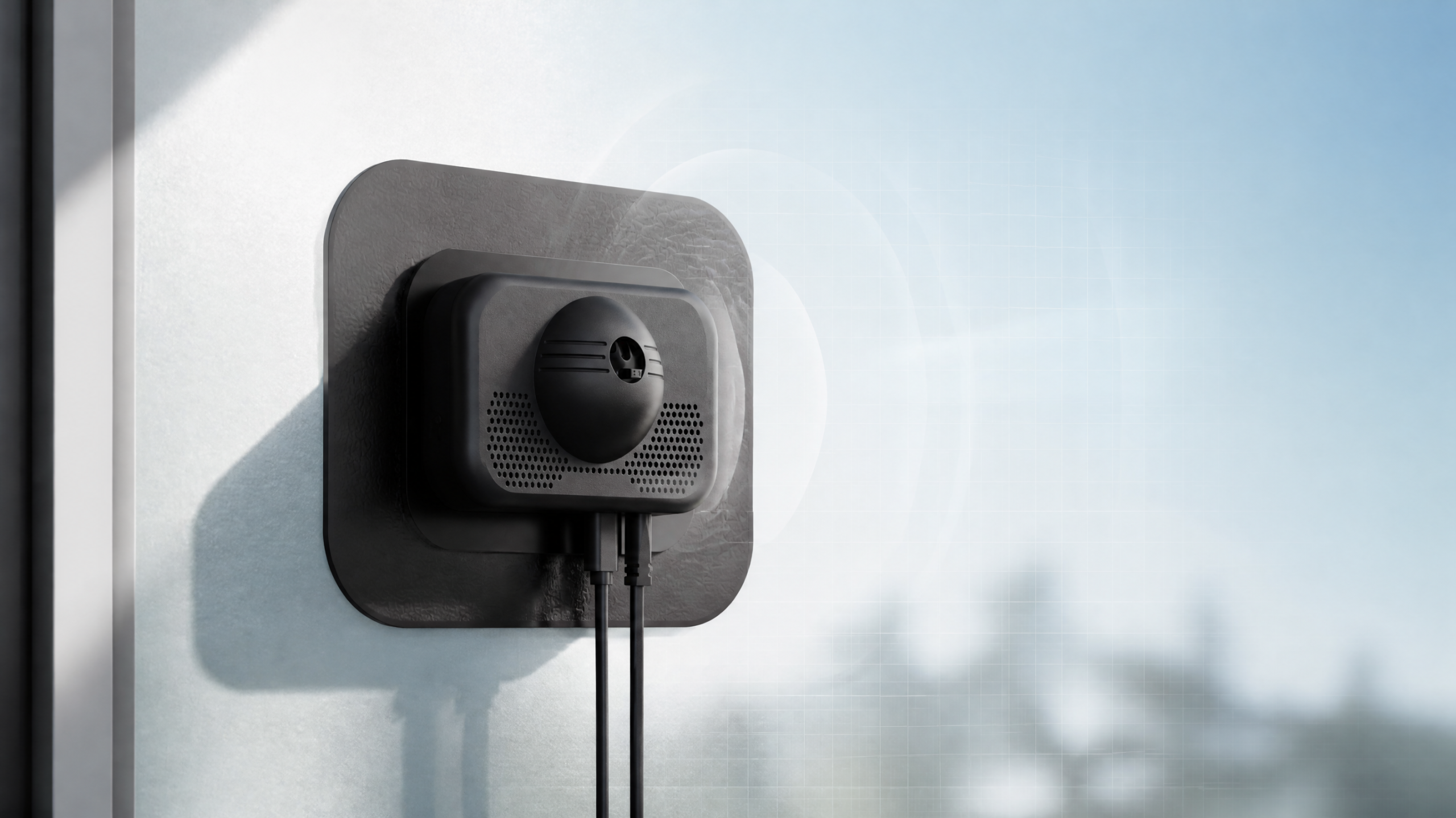
For homeowners looking for an effective, discreet, and HOA compliant security camera, the ShowMo WinEye is an ideal solution. Designed specifically to overcome common HOA security camera rules, this innovative camera offers robust outdoor surveillance from the comfort and compliance of your indoors.
The ShowMo WinEye is a window-mounted security camera that boasts a no-drill installation. This means no exterior alterations to your home, no visible wires, and no need to worry about damaging your property’s facade – immediately addressing some of the most common security camera HOA restrictions. Simply attach it to the inside of your window and you’re good to go.
But convenience doesn’t come at the cost of performance. The WinEye features impressive 4K night vision, specially engineered to work effectively through glass without common reflections or distortions. This ensures you get crystal-clear footage, day or night, of your exterior property – your driveway, front yard, or porch – all without ever mounting a device outdoors. Its sophisticated design ensures minimal impact on your home’s exterior aesthetics, making it a perfect fit for communities with strict appearance guidelines.
With the ShowMo WinEye, you can enhance your home’s security, enjoy peace of mind, and stay fully compliant with even the strictest HOA regulations. It’s the smart, discreet, and powerful way to monitor your outdoor surroundings.
FAQ: HOA Security Camera Rules in 2026
Q1: Can an HOA legally prohibit me from installing any security camera?
Generally, an HOA cannot enforce an outright ban on all security cameras, especially those within your own property intended for personal security. However, they can impose significant restrictions on their type, placement, and visibility, particularly for cameras mounted on the exterior or those that surveil common areas or neighboring properties. Federal and state laws (like the Delaware Uniform Common Interest Ownership Act or certain “Right to Install” satellite dish laws sometimes extended to security devices) provide some protections, but these primarily prevent outright bans and still allow for reasonable restrictions. Always check your specific HOA’s CC&Rs and local/state laws.
Q2: What should I do if my HOA says my existing outdoor camera violates their rules?
First, obtain a copy of the specific HOA rule or bylaw cited for the violation. Review it carefully. Next, communicate with your HOA board or management. Explain your need for security and ask if any alternative placements or camera types would be acceptable. If your camera’s field of view is the issue, you might be able to adjust its angle to comply. If it’s the external mounting, consider an interior, window-mounted solution like the ShowMo WinEye. If you believe the rule is unreasonable or unfairly applied, you may need to escalate the discussion, potentially seeking legal advice if direct negotiation fails.
Q3: Are there any specific state laws in 2026 that protect a homeowner’s right to install security cameras in an HOA?
Yes, some states have enacted “right to install” or similar laws that aim to balance HOA control with homeowner’s rights. These laws often prevent HOAs from completely prohibiting security device installations but typically allow for “reasonable restrictions” on placement, size, and appearance. For example, some states have laws protecting the right to install devices for safety or for receiving television signals (which sometimes broadly include other security technologies). It is crucial to research your specific state’s laws and consult your HOA’s governing documents, as these laws vary widely and are subject to interpretation. A legal professional specializing in homeowner association law can provide the most accurate and up-to-date information for your jurisdiction.
Conclusion
Navigating HOA security camera rules doesn’t have to be a daunting task. By understanding typical security camera HOA restrictions and proactively seeking HOA compliant security camera solutions, you can effectively protect your home while respecting community guidelines. The key is thorough research of your HOA’s CC&Rs, open communication, and choosing innovative products designed with these regulations in mind. Solutions like the ShowMo WinEye exemplify how cutting-edge technology can seamlessly integrate with HOA living, offering robust security without compromising aesthetics or violating rules.
Prioritize your home’s safety with smart choices that align with your community’s standards. A little planning goes a long way in ensuring peace of mind for you and harmony within your HOA.
“`