
Best Weatherproof Outdoor Security Camera: IP67 vs IP66 Explained
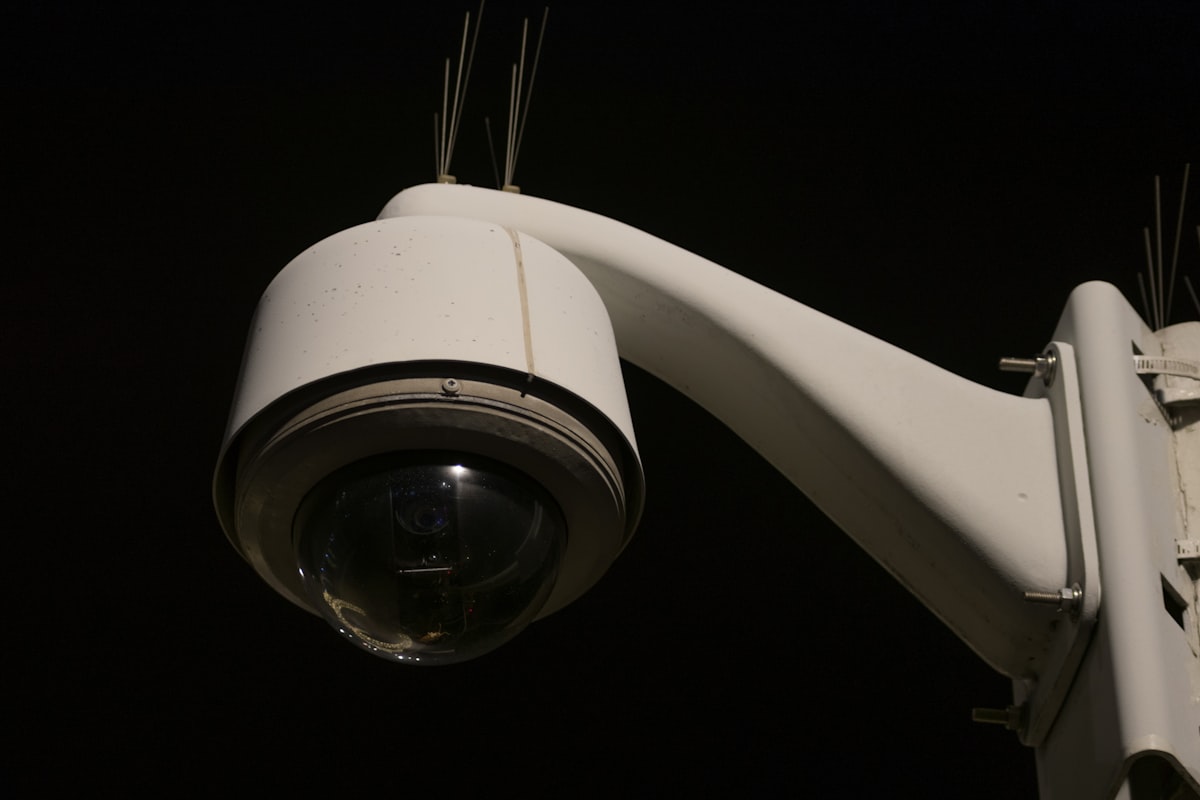
When it comes to safeguarding your home, a weatherproof outdoor security camera is an indispensable tool. But with so many options on the market, choosing the right one can feel overwhelming. One of the most critical specifications to understand is the IP rating – a standard that tells you exactly how well a device is protected against solids (like dust) and liquids (like rain or even submersion). In this comprehensive guide, we’ll delve deep into the world of IP ratings, specifically focusing on IP67 vs. IP66, to help you make an informed decision for your home’s security.
Imagine investing in a security camera only to have it fail after the first heavy thunderstorm. This nightmare scenario is precisely what IP ratings are designed to prevent. From scorching summers to icy winters, your outdoor camera needs to withstand Mother Nature’s unpredictable temperament. Understanding IP67 and IP66 is key to ensuring your surveillance system remains operational, providing peace of mind year-round.
What is an IP Rating and Why Does It Matter?
IP stands for “Ingress Protection.” It’s an international standard (IEC 60529) used to classify the degree of protection provided by mechanical casings and electrical enclosures against intrusion, dust, accidental contact, and water. An IP rating consists of two digits:
- First Digit: Solid Particle Protection (0-6)
- 0: No protection
- 1: Protection against solid objects >50mm (e.g., accidental touch by hands)
- 2: Protection against solid objects >12.5mm (e.g., fingers)
- 3: Protection against solid objects >2.5mm (e.g., tools, thick wires)
- 4: Protection against solid objects >1mm (e.g., most wires, screws)
- 5: Dust protected (limited ingress of dust permitted, but won’t interfere with operation)
- 6: Dust tight (no ingress of dust)
- Second Digit: Liquid Ingress Protection (0-9K)
- 0: No protection
- 1: Protection against vertically falling drops of water
- 2: Protection against vertically falling drops of water (tilted up to 15°)
- 3: Protection against spraying water
- 4: Protection against splashing water
- 5: Protection against water jets
- 6: Protection against powerful water jets
- 7: Protection against immersion, up to 1m for 30 minutes
- 8: Protection against continuous immersion, often exceeding 1m (specific conditions defined by manufacturer)
- 9K: Protection against powerful high-temperature water jets
For outdoor security cameras, you want high numbers for both digits to ensure robust protection. The “6” in IP66 and IP67 indicates full dust-tight protection, which is excellent. The difference lies in the second digit, regarding water resistance.
IP67 Security Camera: Superior Submersion Protection
An IP67 rating signifies that a device is:
- Dust Tight (6): Absolutely no dust can penetrate the enclosure, ensuring internal components remain clean and functional. This is crucial for longevity, especially in dusty environments or during periods of low activity where dust can settle.
- Protected Against Immersion (7): Specifically, it can withstand immersion in water up to 1 meter (approximately 3.3 feet) for up to 30 minutes. This level of protection offers significant peace of mind.
When to choose an IP67 camera:
- If your camera might be exposed to heavy flooding or temporary submersion (e.g., in areas prone to overflowing gutters or extreme weather events).
- If you want the absolute highest level of water protection for a standard outdoor installation.
- For docks, near swimming pools, or areas where direct, sustained contact with water is a possibility beyond just rain.
IP66 Security Camera: Robust Against Powerful Water Jets
An IP66 rating means your camera is:
- Dust Tight (6): Just like IP67, it offers complete protection against dust ingress.
- Protected Against Powerful Water Jets (6): It can resist powerful jets of water from any direction. Think of intense rainstorms, a powerful garden hose, or even a pressure washer used nearby (though direct pressure washing is rarely recommended for electronics).
When to choose an IP66 camera:
- For most typical outdoor installations where heavy rain, snow, and strong winds are the primary concerns.
- If your camera will be exposed to direct spray from a garden hose during cleaning.
- It’s generally more than sufficient for most residential and commercial outdoor security needs, offering excellent protection against weather elements.
IP67 vs. IP66: Key Differences and Scenarios
The main differentiator between IP67 and IP66 boils down to water resistance. While both offer excellent dust protection, an IP67 camera can handle temporary submersion, whereas an IP66 camera is built to withstand powerful jets of water without damage. It’s not necessarily about one being “better” than the other in all scenarios, but rather about choosing the right level of protection for your specific environment.
| Feature | IP66 Rating | IP67 Rating |
|---|---|---|
| Dust Protection | Dust Tight (Completely protected) | Dust Tight (Completely protected) |
| Water Protection | Protected against powerful water jets from any direction. | Protected against temporary immersion in water up to 1m for 30 minutes. |
| Typical Use Case | General outdoor use, heavy rain, snow, sprinklers. | Areas prone to flooding, near water bodies, harsher weather. |
| Extreme Weather Durability | Excellent against heavy precipitation. | Superior, even resistant to brief submersion. |
| Cost (General) | Often slightly less expensive than IP67 for similar features. | Can be slightly more expensive due to enhanced sealing. |
For most homeowner applications, an IP66 camera offers more than adequate protection. However, if you live in an area prone to severe flooding, hurricane-force winds with driving rain, or have cameras situated very close to water sources, the extra layer of submersion protection offered by an IP67 security camera might be a worthwhile investment.
Beyond IP Ratings: Other Factors for the Best Weatherproof Outdoor Security Camera
While the IP rating is paramount, a truly effective weatherproof outdoor security camera also needs other features to excel:
- Operating Temperature Range: Check if the camera can function in your local climate’s extreme heat or cold.
- Night Vision: Infrared (IR) or color night vision (Starlight sensors) are essential for 24/7 surveillance.
- Resolution: 1080p Full HD is a minimum, with 2K or 4K offering much clearer details.
- Field of View (FoV): A wider FoV means fewer blind spots.
- Connectivity: Wi-Fi, Ethernet, or cellular options. Consider the strength and reliability of the signal, especially for cameras placed further from your router.
- Power Source: Wired, battery-powered, or solar-powered.
- Smart Features: AI-powered motion detection (person/vehicle detection), two-way audio, cloud storage, local storage (SD card).
- Ease of Installation: DIY-friendly mounts and setup processes are a plus.
- Durability (Physical): The material of the casing (e.g., metal vs. plastic) also contributes to overall resilience.
As we approach 2026, advancements in camera technology continue to impress. Features like longer wireless range and robust power solutions are becoming increasingly vital, especially for larger properties or remote monitoring needs. A truly waterproof outdoor camera 2026 model will likely offer not just enhanced IP ratings but also cutting-edge connectivity and AI capabilities.
Product Spotlight: ShowMo MileFlask – Long-Range Outdoor Security
When selecting the best weatherproof outdoor security camera, especially for expansive properties or challenging installations, connectivity and reliability are just as crucial as the IP rating. That’s where the ShowMo MileFlask truly shines. The MileFlask isn’t just another outdoor camera; it’s a game-changer for remote monitoring.
What makes the ShowMo MileFlask stand out?
- Wi-Fi HaLow Technology: Forget traditional Wi-Fi limitations. The MileFlask utilizes Wi-Fi HaLow (802.11ah), a revolutionary standard that delivers an incredible 1-mile wireless range. This means you can monitor sheds, barns, gates, or distant property lines without needing repeaters or complex wiring.
- No Monthly Fees: Enjoy continuous local recording and access without the burden of recurring subscription costs. This provides significant long-term savings.
- Robust IP66 Weatherproofing: Built to withstand the elements, the MileFlask boasts an IP66 rating, ensuring it is dust-tight and protected against powerful water jets. This makes it a reliable choice for any outdoor environment, from heavy rain and snow to direct exposure to garden hoses, ensuring it’s a truly waterproof outdoor camera for 2026 and beyond.
- High-Quality Surveillance: Capture clear, detailed footage with its advanced imaging sensor and excellent night vision capabilities.
- Easy Installation: Designed for straightforward setup, allowing you to quickly deploy your long-range security solution.
If you’re looking for a powerful, long-range, and truly weatherproof outdoor security camera that provides exceptional value with no monthly fees, the ShowMo MileFlask is an outstanding choice.
Frequently Asked Questions About Weatherproof Outdoor Security Cameras
Q1: Can an IP66 camera survive being submerged in water?
A: No, an IP66 camera is not designed for submersion. While it can handle powerful jets of water from any direction, meaning it’s highly resistant to heavy rain and spray, it does not have the same protection against immersion that an IP67 or IP68 rated device offers. Submerging an IP66 camera will likely lead to water ingress and damage.
Q2: Is an IP67 camera better than IP66 for all outdoor uses?
A: Not necessarily “better” in all cases, but it offers a higher level of water protection regarding temporary submersion. For most standard outdoor residential or commercial uses, an IP66 camera provides excellent protection against rain, snow, and irrigation spray, which is typically sufficient. An IP67 camera becomes a more critical choice if there’s a specific risk of the camera being briefly submerged, such as in areas prone to flash flooding, very low mounting positions near water runoff, or accidental drops into standing water.
Q3: How long do weatherproof outdoor security cameras typically last?
A: The lifespan of a weatherproof outdoor security camera can vary significantly based on its IP rating, build quality, brand, and the intensity of local weather conditions. A well-made camera with an appropriate IP rating (like IP66 or IP67) from a reputable brand can easily last 5-10 years, or even longer. Factors like consistent extreme temperatures, direct sunlight exposure for prolonged periods, or physical impacts can shorten its lifespan. Regular cleaning and ensuring secure mounting can also contribute to its longevity.
Conclusion: Choosing the Right Protection for Your Outdoor Security
Understanding IP ratings is no longer optional; it’s essential for anyone investing in a weatherproof outdoor security camera. While both IP66 and IP67 offer robust dust protection, the distinction in their water resistance levels should guide your purchasing decision. IP66 is excellent for most environments, combating heavy rain and powerful splashes, making it a reliable choice for the average homeowner looking for a waterproof outdoor camera. IP67 takes it a step further, providing invaluable protection against temporary submersion, ideal for more challenging or flood-prone locations.
Ultimately, the best weatherproof outdoor security camera is one that meets your specific environmental needs and offers the features critical for your property’s security. With advancements like Wi-Fi HaLow technology and no-monthly-fee solutions, ensuring your home is protected effectively and reliably has never been more accessible.