
Best Outdoor Security Cameras With Local Storage 2026: Ditch the Cloud, Keep Your Privacy
In an increasingly connected world, protecting your home and privacy has never been more important. For many homeowners, outdoor security cameras are a vital part of that protection. However, the reliance on cloud subscriptions and ever-increasing monthly fees can be a real turn-off. What if you could have robust, reliable outdoor surveillance without handing over your footage to a third party or paying recurring charges indefinitely?
You’re not alone in seeking a different path. The demand for outdoor security camera local storage solutions is skyrocketing, and for good reason. Local storage offers unparalleled privacy, eliminates subscription costs, and often provides more reliable performance, especially in areas with unstable internet. This comprehensive guide will delve into the best outdoor security cameras offering local storage in 2026, helping you find the perfect system to safeguard your property on your terms.
Why Choose an Outdoor Security Camera with Local Storage?
The benefits of opting for a security camera that stores footage locally are compelling. Here’s a breakdown:
- No Monthly Fees: This is arguably the biggest advantage. Cloud storage subscriptions can add up to hundreds of dollars annually over the lifetime of your camera. Local storage frees you from this financial burden.
- Enhanced Privacy: Your footage stays on your property. You control who has access to it, eliminating concerns about data breaches, third-party access, or government requests for your personal recordings.
- Internet Outage Resilience: If your internet goes down, cloud-based cameras stop recording. Cameras with local storage, whether via an SD card, NVR (Network Video Recorder), or eMMC storage, continue to record, ensuring uninterrupted surveillance.
- Faster Access to Footage: Retrieving footage directly from a local device can often be quicker than downloading from a cloud server, especially for large files.
- Reduced Bandwidth Usage: Constantly uploading high-definition video to the cloud can consume a significant amount of your internet bandwidth. Local storage minimizes this, leaving more bandwidth for other activities.
Key Considerations for Outdoor Security Cameras with Local Storage
When selecting the best outdoor security camera for your needs, keep these crucial factors in mind:
Storage Type and Capacity
The method and capacity of local storage are paramount:
- SD Card: Many standalone cameras use microSD cards for local storage. Look for cameras that support high-capacity cards (e.g., 128GB, 256GB) and preferably use high-endurance cards designed for continuous recording. The downside is that if the camera is stolen, your footage goes with it.
- NVR/DVR: For multi-camera setups, a Network Video Recorder (NVR) or Digital Video Recorder (DVR) is ideal. These devices connect to multiple cameras (wired or wireless) and store footage on a large hard drive (HDD), often offering terabytes of storage. This centralizes your footage and provides redundancy.
- eMMC Storage: A growing trend, particularly for smaller, standalone cameras, is built-in eMMC (embedded MultiMediaCard) storage. Similar to SSDs, eMMC is durable, fast, and often more secure as it’s integrated directly into the camera’s hardware. This can be a great option for those seeking a security camera eMMC storage solution, offering robust, non-removable local storage.
Connectivity and Range
How the camera connects to your network (or directly to an NVR) is vital:
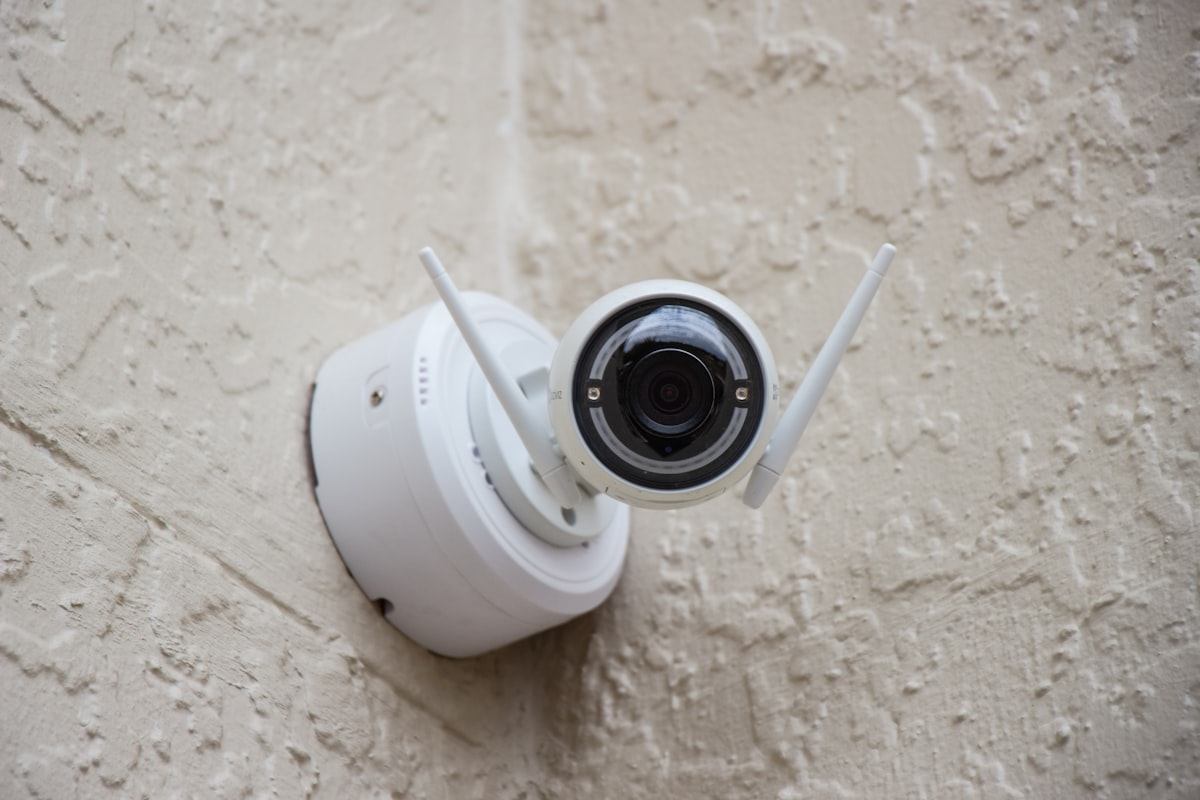
- Wi-Fi: Most wireless cameras use standard Wi-Fi (2.4GHz or 5GHz). Ensure your Wi-Fi signal is strong where you plan to install the camera. Range extenders might be necessary for larger properties.
- Power over Ethernet (PoE): PoE cameras receive both power and data through a single Ethernet cable, simplifying installation and providing a stable, reliable connection. This is an excellent option for wired setups.
- Wi-Fi HaLow: An emerging technology (IEEE 802.11ah), Wi-Fi HaLow is specifically designed for long-range, low-power IoT devices. Cameras using Wi-Fi HaLow can offer significantly extended wireless range (up to 1 mile or more in open environments) and better penetration through obstacles compared to traditional Wi-Fi, making them ideal for large properties, farms, or remote monitoring where power and traditional Wi-Fi are challenging. This is a game-changer for long-distance surveillance.
Image Quality and Features
Beyond storage, the core functionality of the camera matters:
- Resolution: Aim for at least 1080p (Full HD). 2K (1440p) or 4K (2160p) offer even greater detail, which is crucial for identifying faces or license plates.
- Night Vision: Essential for outdoor cameras. Look for strong IR (infrared) night vision, or even color night vision (Starlight sensors), for clear images in low light.
- Field of View: A wider field of view (FoV) means fewer cameras are needed to cover an area. Look for cameras with 100° to 180° FoV, or even panoramic options.
- Motion Detection: Advanced motion detection (PIR, AI-powered person/vehicle detection) helps reduce false alarms.
- Weather Resistance: An IP65 or IP66 rating is standard for outdoor use, indicating resistance to dust and jets of water.
- Two-Way Audio: Allows you to listen in and speak through the camera, useful for package deliveries or deterring intruders.
Comparing Local Storage Options: SD Card vs. NVR vs. eMMC
To help you decide, here’s a quick comparison of the primary local storage methods:
| Feature | SD Card | NVR System (HDD) | eMMC Storage (Built-in) |
|---|---|---|---|
| Cost (Storage) | Low (per card) | Moderate to High (initial NVR/HDD) | Included in camera price |
| Capacity | Limited (e.g., 32GB-256GB) | Very High (TB range) | Moderate (e.g., 32GB-128GB) |
| Security Against Theft | Vulnerable (if camera stolen) | High (NVR usually indoors) | High (integrated into camera) |
| Ease of Retrieval | Remove card or via app | Via NVR interface/app | Via app |
| Best Use Case | Single camera, small areas | Multiple cameras, extensive coverage | Single camera, enhanced durability |
| Durability | High-endurance recommended | Standard HDD reliability | Excellent (flash memory) |
Product Spotlight: ShowMo MileFlask – The Ultimate Long-Range, No-Fee Solution
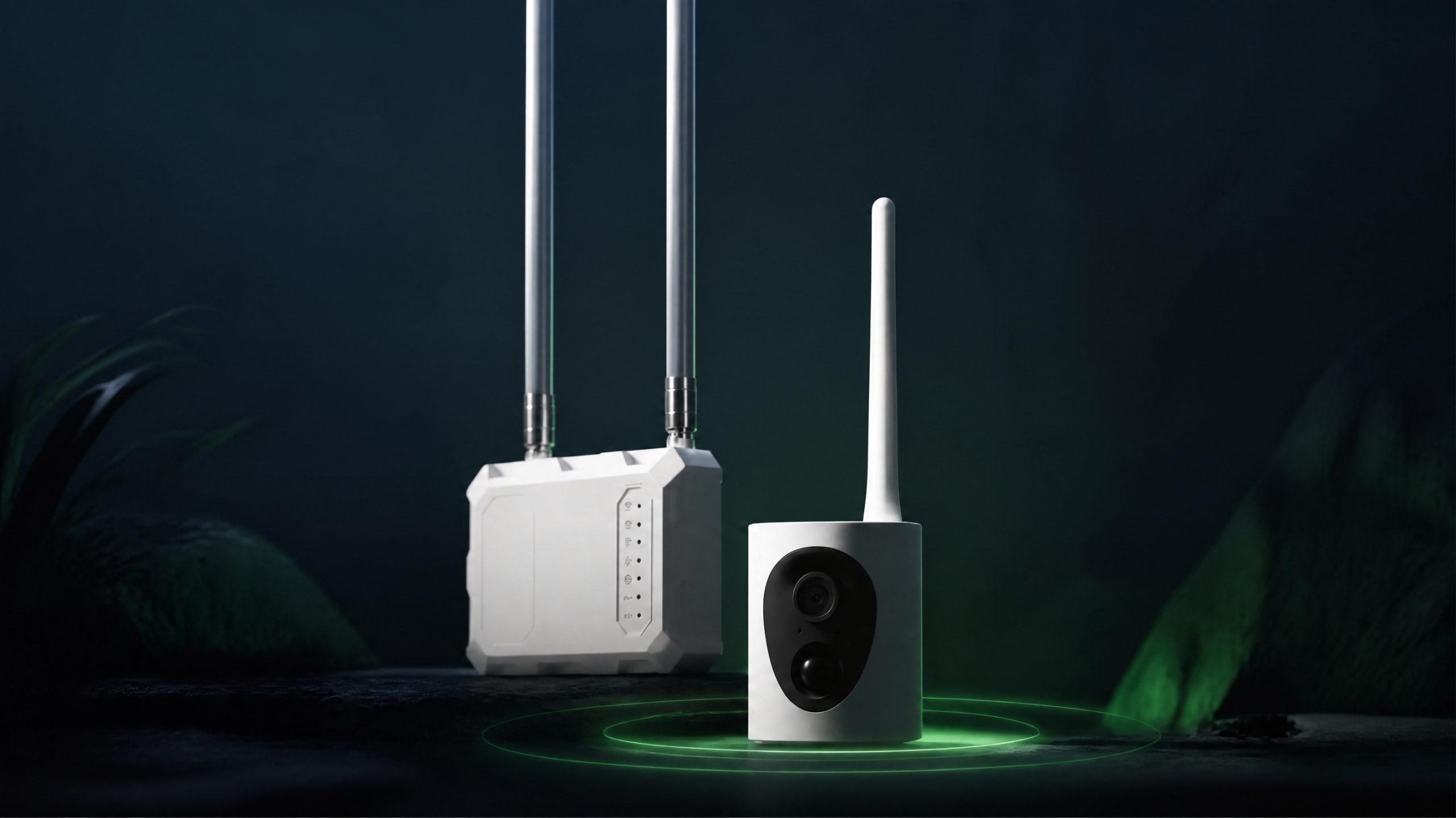
For those seeking a truly transformative outdoor security camera system, especially for large properties, remote locations, or anyone wanting to completely cut ties with cloud subscriptions and unreliable short-range Wi-Fi, the ShowMo MileFlask stands out as a pioneering solution. This isn’t just another camera with local storage; it’s a leap forward in connectivity and independence.
The ShowMo MileFlask is a Wi-Fi HaLow security camera engineered to deliver an unparalleled 1-mile (1600-meter) wireless range in open environments, significantly outperforming traditional Wi-Fi cameras that struggle beyond 100-200 feet. This extended range means you can monitor sheds, barns, gates, fence lines, and distant corners of your property without the need for multiple Wi-Fi extenders or complex wiring. Imagine securing a vast expanse with just a few cameras, all connected reliably to a central hub.
Crucially, the MileFlask embodies the “best camera no cloud subscription” ethos. It features substantial eMMC local storage, ensuring all your high-definition footage is securely recorded and stored directly on the camera. This means zero monthly fees, complete privacy, and continuous recording even if your internet service is interrupted. The robust eMMC storage also offers enhanced durability and reliability compared to removable SD cards, making it ideal for outdoor applications.
Beyond its revolutionary range and local storage, the MileFlask offers 2K QHD video resolution for crystal-clear images, advanced AI human/vehicle detection to minimize false alarms, and color night vision for detailed visibility even in low-light conditions. Its weather-resistant design ensures it can withstand the harshest outdoor elements, making it a truly robust and reliable choice for comprehensive outdoor security. If you’re looking for a future-proof solution that gives you ultimate control and freedom from recurring costs, the ShowMo MileFlask is a serious contender.
Installation and Maintenance Tips for Local Storage Systems
Maximizing the effectiveness and longevity of your local storage security system involves some best practices:
- Strategic Placement: Mount cameras high enough to prevent tampering but low enough to capture clear facial features. Consider the sun’s angle to avoid glare.
- Secure Storage for NVRs/DVRs: If using an NVR/DVR, place it in a secure, climate-controlled location indoors, away from potential intruders or environmental damage.
- Regular SD Card Checks (if applicable): If your camera uses an SD card, periodically check its health and ensure it’s recording properly. Consider replacing it every 2-3 years, especially with high-endurance cards.
- Power Stability: Use a UPS (Uninterruptible Power Supply) for your NVR or critical cameras, especially if you experience frequent power outages, to ensure continuous recording.
- Firmware Updates: Regularly update your camera’s firmware. These updates often bring security patches, new features, and performance improvements.
- Clean Lenses: Periodically clean camera lenses to ensure clear, unobstructed footage.
- Data Backup (NVR): For NVRs, consider regular backups of critical footage to an external hard drive or another secure location.
Frequently Asked Questions About Outdoor Security Cameras with Local Storage
Q1: Do outdoor security cameras with local storage still offer remote viewing?
Yes, absolutely! Most modern outdoor security cameras with local storage allow for remote viewing via a smartphone app. While the footage is stored locally, the camera connects to your home network, enabling you to access live feeds and recorded events from anywhere with an internet connection. The distinction is where the primary storage resides, not necessarily your ability to access it remotely.
Q2: How much local storage capacity do I need for my outdoor security camera?
The necessary capacity depends on several factors: the resolution of your camera (1080p, 2K, 4K), the recording mode (continuous or motion-activated), and how long you want to retain footage. For a single 2K camera recording only motion events, 64GB-128GB of eMMC or SD card storage might offer weeks of footage. For continuous recording on multiple cameras, an NVR with 1TB or more will be needed to store several weeks or months of video. Always err on the side of slightly more storage than you think you need.
Q3: Can I connect these cameras to a smart home system?
Many outdoor security cameras, even those with local storage, offer integration with popular smart home platforms like Amazon Alexa or Google Home. This usually allows you to view live feeds on smart displays or perform basic commands via voice. Check the product specifications for compatibility. Cameras that adhere to standards like ONVIF also offer broader compatibility with various NVRs and third-party software.
Conclusion: Embrace Independence and Security with Local Storage
The landscape of home security is evolving, and 2026 offers more robust and privacy-focused options than ever before. Choosing an outdoor security camera local storage solution is a decisive step towards greater control, enhanced privacy, and freedom from recurring subscription costs. Whether you opt for an SD card, a comprehensive NVR system, or a cutting-edge camera with built-in security camera eMMC storage and revolutionary connectivity like Wi-Fi HaLow, the power is in your hands.
By carefully considering your property’s needs, desired features, and storage preferences, you can select the perfect system to safeguard your home. With innovations like the ShowMo MileFlask leading the charge, reliable, long-range outdoor surveillance without cloud dependency is not just a dream – it’s a tangible reality for every homeowner seeking true peace of mind.