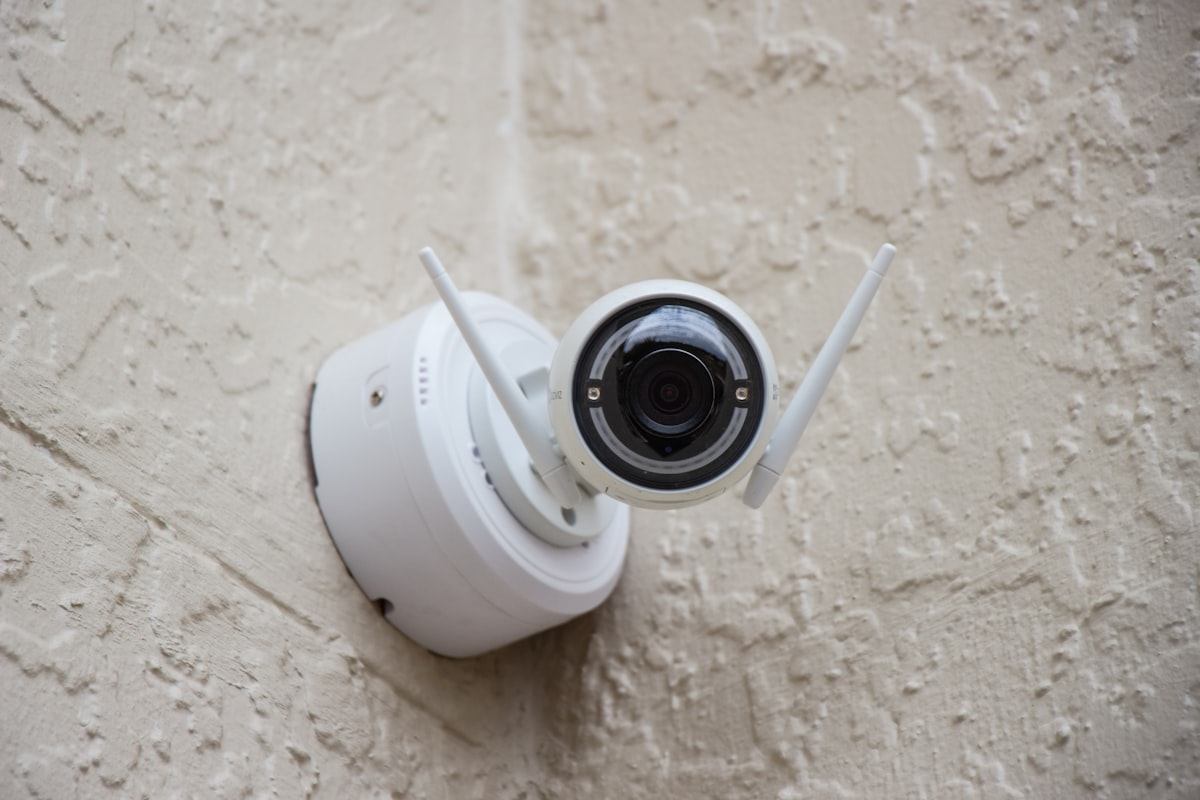

Security Camera Privacy Laws: What You Can Legally Record in 2026
The year is 2026, and home security cameras are more sophisticated and accessible than ever. From crystal-clear 4K resolution to advanced AI-powered alerts, these devices offer unparalleled peace of mind. But with great power comes great responsibility – and a complex web of legal considerations. As you strategically place your security cameras to protect your home, you might find yourself asking: what can you legally record with a security camera?
Understanding security camera privacy laws is crucial, not just for ethical reasons, but to avoid potential legal pitfalls. The legal landscape surrounding surveillance can be intricate, varying significantly by location and the nature of the recording. This comprehensive guide will walk you through the essential legal frameworks, common scenarios, and best practices for responsible camera use in 2026, ensuring your home security enhances your safety without infringing on anyone’s rights.
The Complexities of Public vs. Private Property
One of the most fundamental distinctions in security camera law revolves around where you are recording. Generally, individuals have a much higher expectation of privacy in private spaces than in public ones.
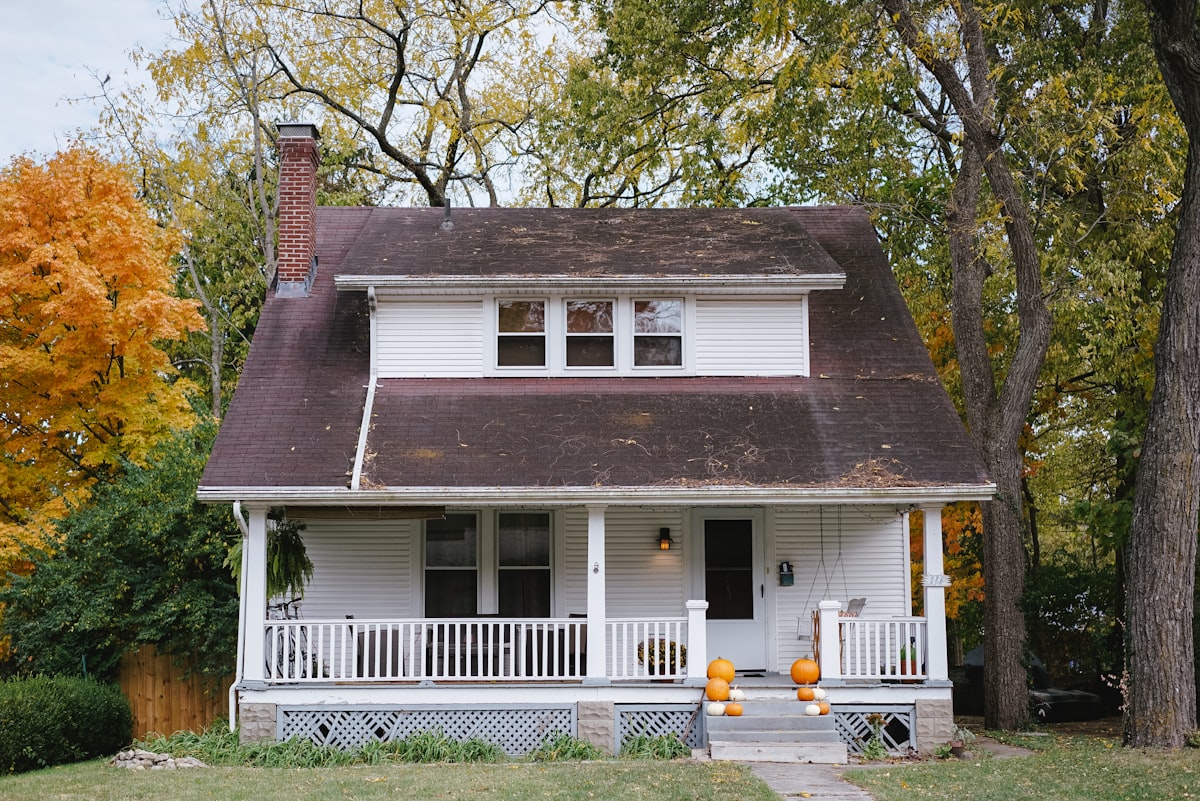
- Your Own Property: In most jurisdictions, you have a broad right to record within your own home and on your own property. This includes your front yard, backyard, and interior spaces. However, this right isn’t absolute. Recording private areas of neighbors’ properties (like their bedrooms or bathrooms through a window you aren’t supposed to see) or places where guests have a “reasonable expectation of privacy” (e.g., a guest bathroom in your home) can lead to legal issues. The intent behind the recording is often a key factor here.
- Public Spaces: Areas easily visible from public property, such as your sidewalk, the street in front of your house, or a public park, generally have no reasonable expectation of privacy. Therefore, recording activity in these spaces from your property is typically legal. This is why doorbell cameras that capture street traffic are widely accepted.
- Neighboring Private Property: This is where things get tricky. While you can usually record aspects of your neighbor’s property that are incidentally visible from your camera’s legitimate field of view (e.g., their car in their driveway if your camera is aimed at your own driveway), intentionally pointing a camera to record their private activities or secluded areas crosses a line. Laws against harassment, voyeurism, and invasion of privacy can come into play. Always be mindful of your camera’s angle and adjust it to avoid excessive intrusion.
Key Legal Concepts: Expectation of Privacy and Consent
Two bedrock principles underpin most security camera privacy laws:
- Reasonable Expectation of Privacy: This concept asks whether an individual has a legitimate belief that their actions will not be subject to observation or recording. For example, a person in their bathroom has a high expectation of privacy, while someone walking down a public street does not. When you aim your camera, consider if the area being recorded is one where people would reasonably expect privacy.
- Consent: In many situations, particularly when audio recording is involved or recordings occur in private spaces, consent is vital.
- Audio Recording: This is a major differentiator. Many states have “one-party consent” laws, meaning only one person involved in a conversation needs to know it’s being recorded. However, other states are “two-party consent” (or all-party consent) states, requiring everyone involved to agree to the recording. Unbeknownst to them, recording conversations can lead to serious felony charges. Always check your state’s specific laws regarding audio recording. Some security cameras allow you to disable audio recording, which is a good practice if you’re unsure or in a two-party consent state.
- Video Recording: While video recording in public spaces rarely requires consent, recording individuals in private spaces (even your own home, if they are guests) without their knowledge or consent can be problematic, especially if it’s done covertly or in areas where privacy is assumed.
Legal security camera placement boils down to respecting these two principles. Avoid aiming cameras at windows, bedrooms, or private areas of neighboring properties. Always prioritize transparency when strangers or guests are on your property, perhaps with visible signage.
State and Local Variations in 2026
It’s vital to remember that security camera privacy laws are not uniform across the United States. Federal laws primarily address surveillance for law enforcement and wiretapping, but state and local ordinances often dictate what homeowners can record. Here’s what to look out for:
- Varying Definitions of “Private”: Some states have broader interpretations of what constitutes a private area.
- Specific Notification Requirements: A few jurisdictions may require clear signage if you are recording in certain areas, even on your own property.
- Different Penalties: The legal repercussions for violating privacy laws can range from civil lawsuits (for invasion of privacy) to criminal charges (for voyeurism or illegal wiretapping), with varying degrees of severity depending on the state.
- HOA and Community Rules: Beyond state laws, if you live in a planned community or have a homeowners’ association (HOA), there might be additional rules or covenants regarding camera placement, visibility, and data retention. Always consult your HOA guidelines.
Always consult local law enforcement or a legal professional if you have specific concerns about your camera placement or recording practices. This article provides general guidance and is not a substitute for legal advice.
Product Spotlight: ShowMo WinEye – Smart, Secure, and Worry-Free
As you navigate the complexities of security camera privacy laws and seek effective, ethical home surveillance, consider the innovative ShowMo WinEye. This ingenious window-mounted security camera is designed to offer robust outdoor security from the safety and privacy of your indoor space. Its unique design helps mitigate many common legal concerns.
The ShowMo WinEye requires no-drill installation, meaning you can easily position it in a window facing your property, minimizing concerns about property lines, easements, or external modifications. Because it’s mounted indoors, with its 4K night vision and wide-angle lens peering out, you maintain full control over its placement and field of view without needing to access exterior walls or debate with neighbors about outdoor camera angles.
With its 4K night vision, the ShowMo WinEye captures incredibly detailed footage, even in low light, ensuring you have clear evidence if an incident occurs. This discreet, indoor placement naturally aligns with best practices for respecting privacy, allowing you to monitor your outdoor perimeter without overtly broadcasting surveillance to neighbors. It’s a smart choice for those prioritizing both security and peace of mind regarding legal and ethical camera use.
Comparison Table: Common Scenarios for Security Camera Use and Legality
To further clarify what you can record with a security camera, here’s a quick comparison of common scenarios:
| Scenario | Legality (General Guidance) | Best Practice / Considerations |
|---|---|---|
| Recording your own front yard/driveway (visible from public street) | Generally Legal | Ensure camera doesn’t intentionally focus on neighbor’s private areas. No audio recording needed. |
| Recording your backyard (private, fenced) | Generally Legal | Legal to record your own property. Be mindful of incidental views into neighbor’s private spaces. |
| Recording inside your home (e.g., living room) | Generally Legal (for residents) | Inform guests about cameras (especially with audio). Avoid private areas like bathrooms. |
| Camera pointed at neighbor’s bedroom window or secluded backyard area | Likely Illegal / Invasion of Privacy | Absolutely avoid. Re-angle immediately. Voyeurism laws may apply. |
| Recording conversations when you are a party to them (one-party consent state) | Legal | Check your state’s specific laws. Always err on the side of informing others. |
| Recording conversations without anyone’s knowledge (two-party/all-party consent state) | Likely Illegal (Felony in many states) | Do NOT record audio without explicit consent from all parties. Disable audio if unsure. |
| Recording common areas in an apartment building (ex. landlord installing) | Varies (often legal with signage) | Landlords usually have more leeway in common areas, but signage and purpose are key. Tenants generally cannot install in common areas. |
FAQ: Your Top Questions About Security Camera Laws Answered
Even with comprehensive guides, questions often arise. Here are answers to some frequently asked questions about security camera privacy laws:
Q1: Can my security camera record audio?
A1: This depends heavily on your state’s laws. Some states are “one-party consent” states, meaning if you are part of the conversation, you can record it. Other states are “two-party” or “all-party consent” states, requiring everyone in the conversation to agree to the recording. Recording audio illegally can carry severe penalties, including felony charges. When in doubt, it’s safest to disable audio recording or clearly inform people they are being recorded. For outdoor cameras, avoid audio recording unless absolutely necessary and permitted by local law.
Q2: Do I need to put up signs if I have security cameras?
A2: Generally, for residential outdoor cameras, signage isn’t legally mandated, especially if your cameras are only pointing at your own property and public areas. However, displaying “Warning: Surveillance Cameras in Use” signs can be a good deterrent for potential intruders and can also serve as a form of notification for guests and visitors, reinforcing your right to record on your property. For indoor cameras in areas where guests might expect privacy (though generally not recommended), signs are a best practice.
Q3: What if my neighbor’s camera is pointing at my property?
A3: If your neighbor’s camera is accidentally catching a glimpse of your property (e.g., your driveway) as part of monitoring their own, it’s usually not a legal issue. However, if their camera is clearly and intentionally aimed at your private spaces (like a bedroom window, backyard, or areas where you have a reasonable expectation of privacy), it could constitute an invasion of privacy or harassment. Your first step should be to have a polite conversation with your neighbor. If that doesn’t resolve the issue, you can consult your HOA (if applicable) or seek legal advice from an attorney.
Conclusion
In 2026, home security cameras are an invaluable tool for protecting your property and loved ones. However, navigating the landscape of security camera privacy laws requires diligence and awareness. By understanding the distinction between public and private spaces, respecting expectations of privacy, being mindful of audio recording laws, and consulting local regulations, you can ensure your surveillance setup is both effective and legally sound.
When selecting your home security solutions, choose products like the ShowMo WinEye that prioritize ease of ethical placement without compromising on security. Stay informed, stay respectful, and enjoy the peace of mind that comes with a well-secured and legally compliant home.